Upper Mustang Jeep Tour
The 10-day Upper Mustang Jeep Tour takes you deep into the “Forbidden Kingdom” through scenic mountain roads, ancient villages, monasteries, and desert-like Himalayan landscapes without long trekking, making it ideal for families and travellers seeking a comfortable yet adventurous cultural journey.
Essential Update:
- Permit Update: Restricted Area Permit (RAP) now costs $50 per person per day, replacing the old flat fee, making shorter trips like the 10-day Upper Mustang Jeep Tour more affordable.
- Solo Travel Rule: The minimum two-person rule has been removed, so solo travelers can visit Upper Mustang, but a licensed guide is still required.
- Road Condition Update: Roads between Jomsom and Lo Manthang have improved, reducing travel time, though rough off-road sections and river crossings remain between Tatopani and Kagbeni.
- Korala Border Access: The road to the Nepal–China (Korala) border is now upgraded, offering an optional scenic detour up to around 4,600m.
- Travel & Festival Update: The Tiji Festival (May 14–16, 2026) may increase lodge demand in Lo Manthang, while digital permit processing now speeds up travel preparation from Kathmandu or Pokhara.
Trip at a Glance
-

Country: Nepal
-

Trip grade: Moderate
-

Destination: Mustang region
-

Activities: Jeep tour
-

Accommodation: Hotels/Lodges
-

Meals: Full-board on trek
-
.png)
Transportation: Private vehicle
-

Maximum altitude: Lo Manthang (3840m)
-

Group size: 2 pax min
-
.png)
Best Season: Feb-Jun, Sep-Nov
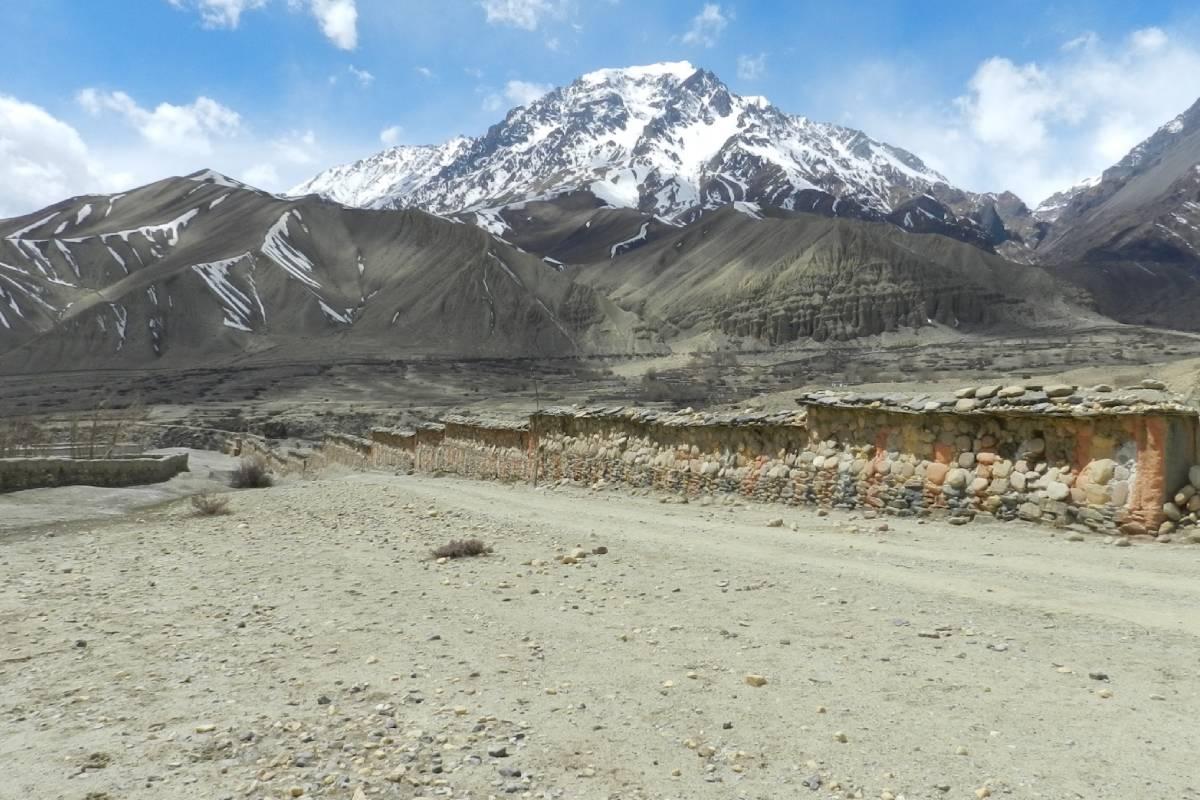
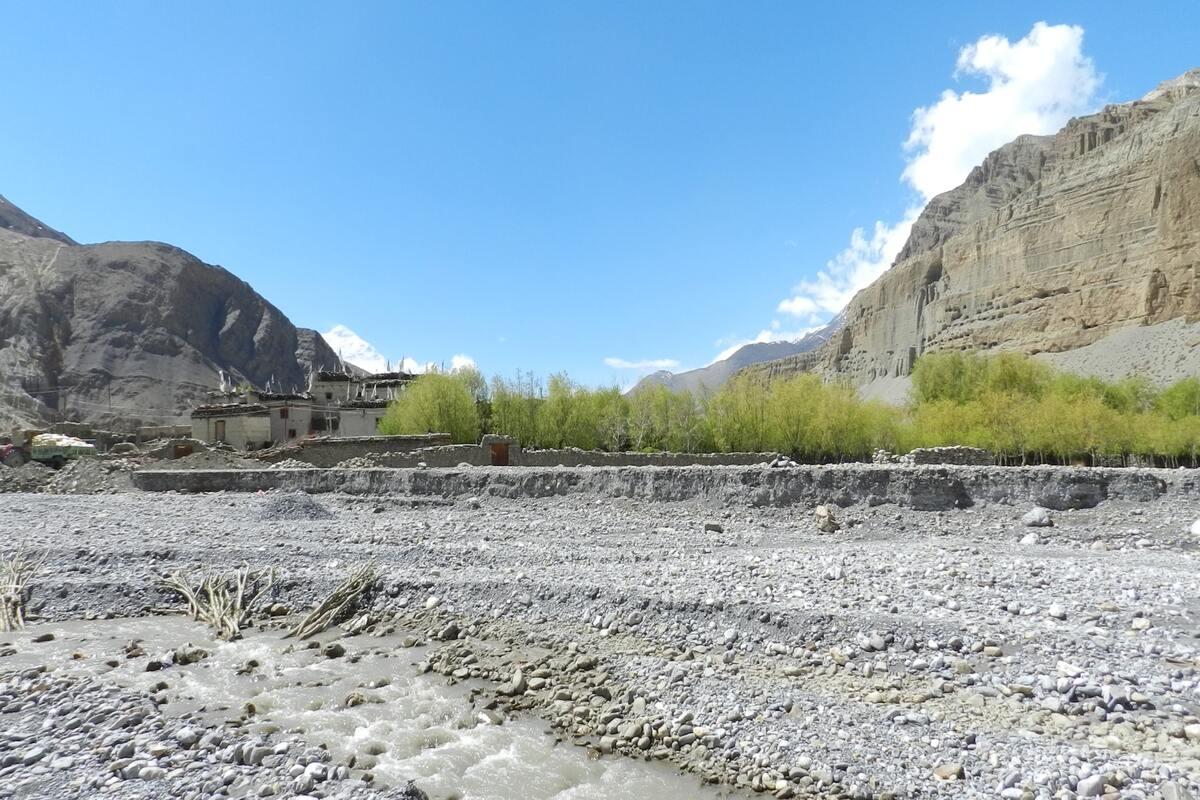
Upper Mustang Jeep Tour is all about the journey to Upper Mustang by taking a thrilling and adventurous overland jeep ride to the ancient walled city of Lo-Manthang. Upper Mustang is a remote and culturally rich region located in the Himalayas closer to Nepal Tibet border. The Jeep Tour to Mustang allows travelers to explore this mysterious and enchanting land in a comfortable and convenient way.
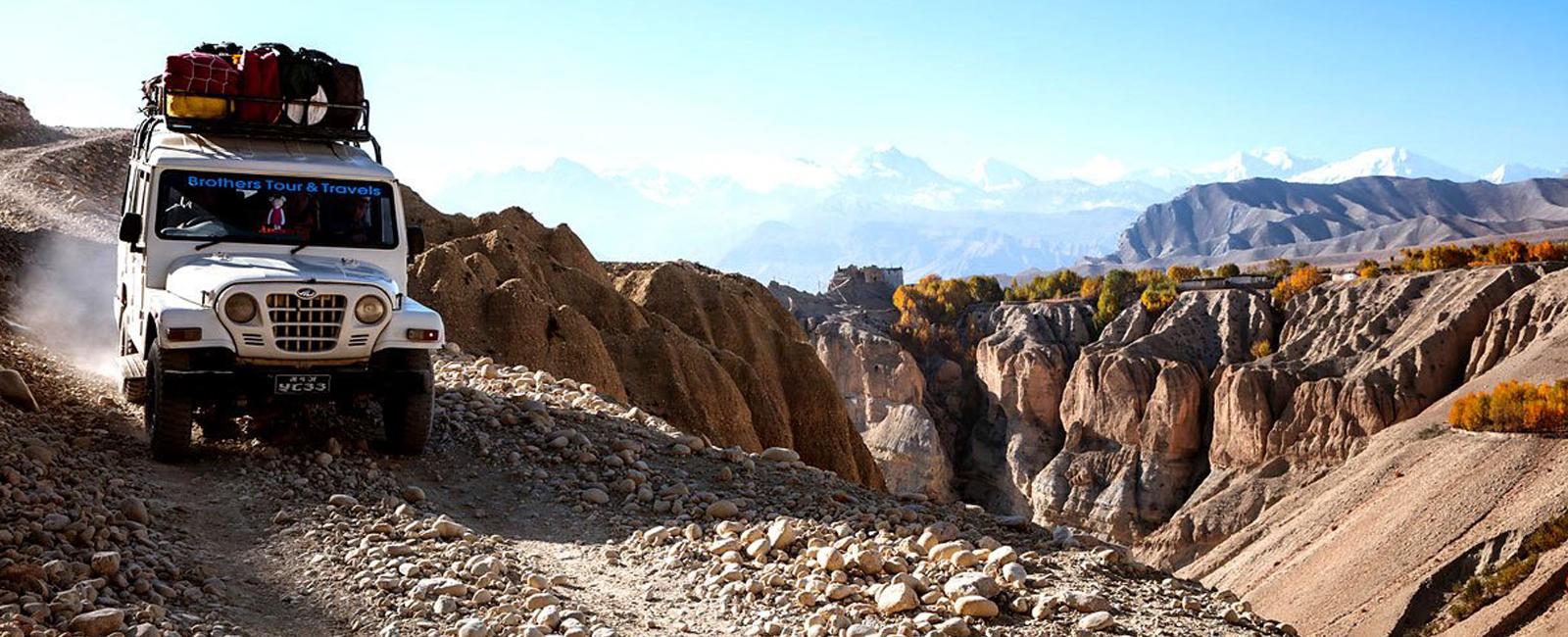
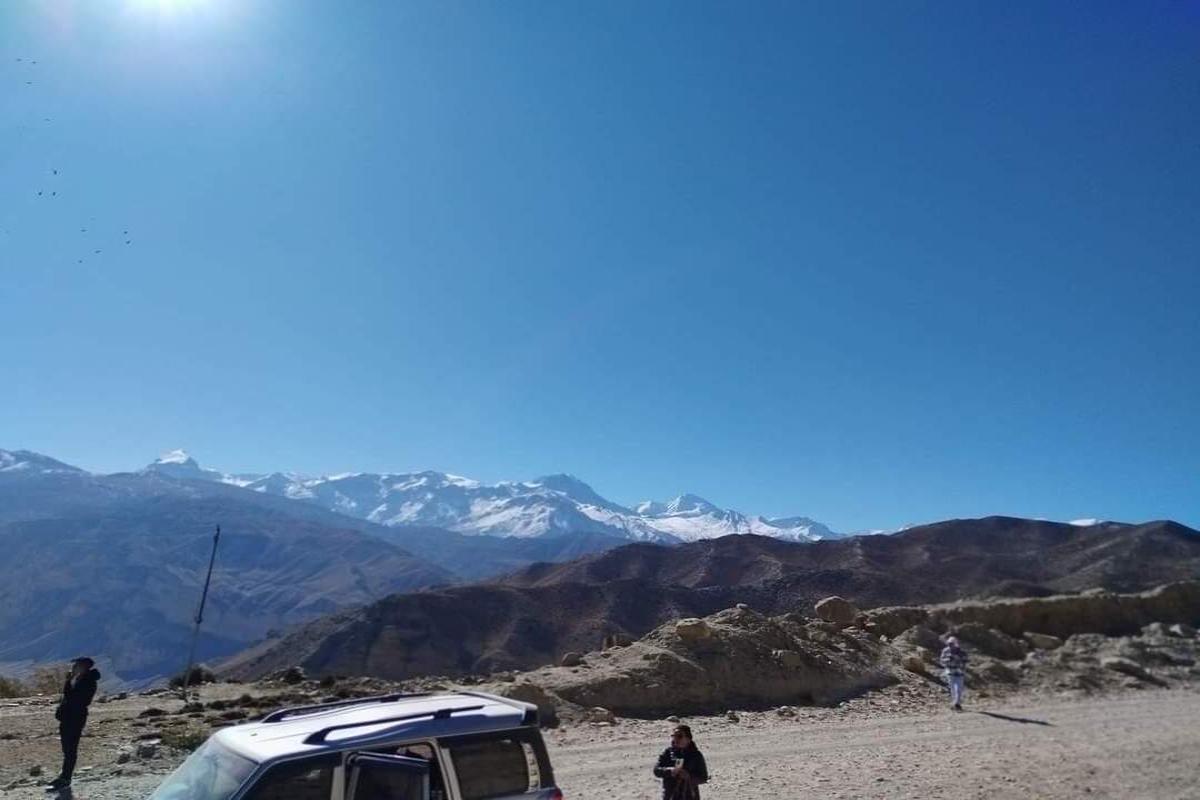
You will be travelling in a 4WD jeep throughout the trip passing along stunning landscapes of Mustang, remote traditional villages, rugged and dry land of what mostly Upper Mustang is made up of. Drive along enjoying the spectacular Himalayan panorama and meeting and interacting with the locals which sheds a little light on how people have been living in the high Himalayas for ages.
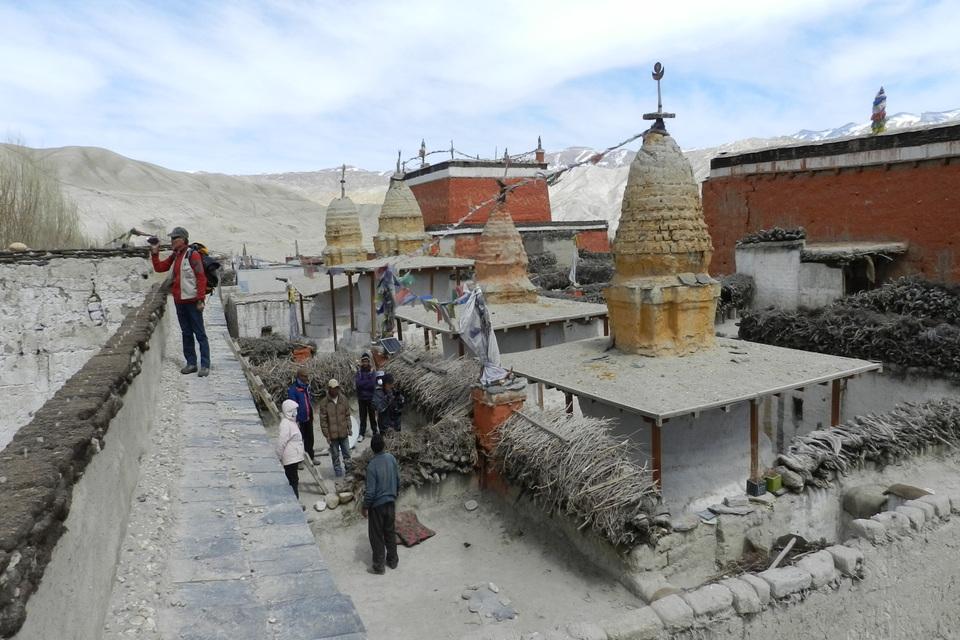
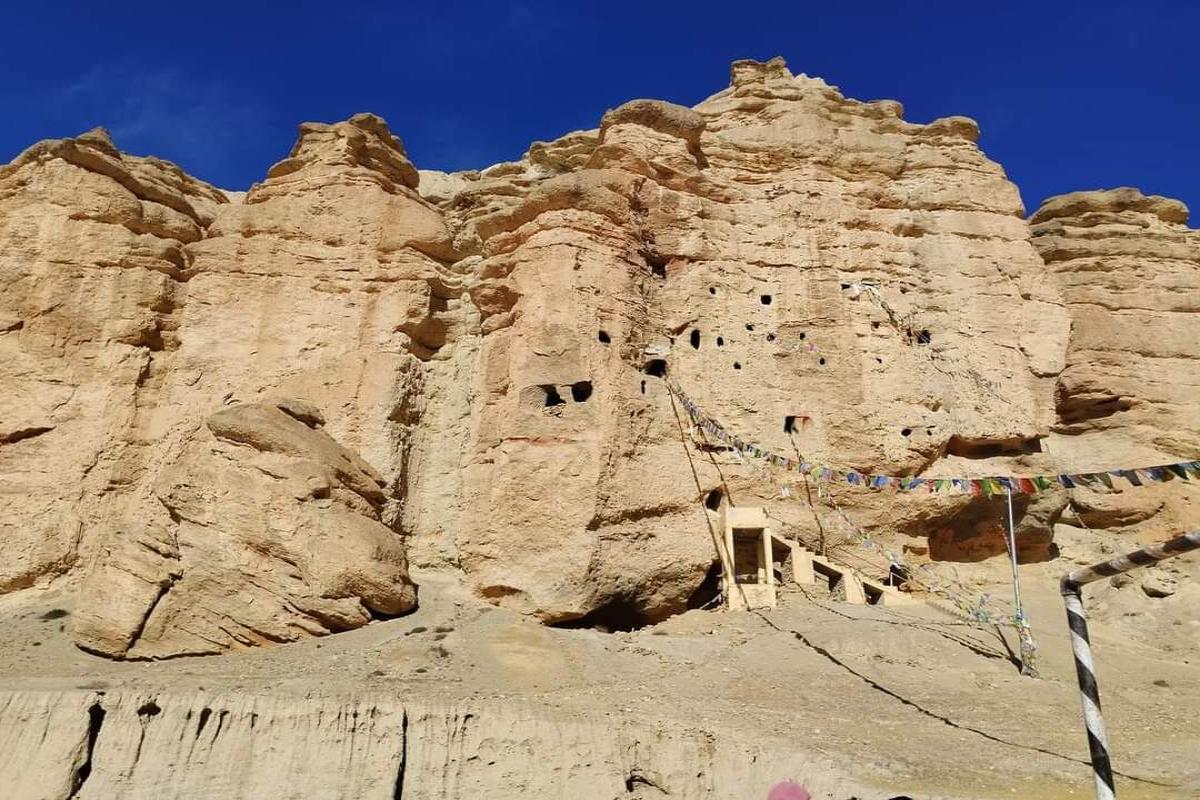
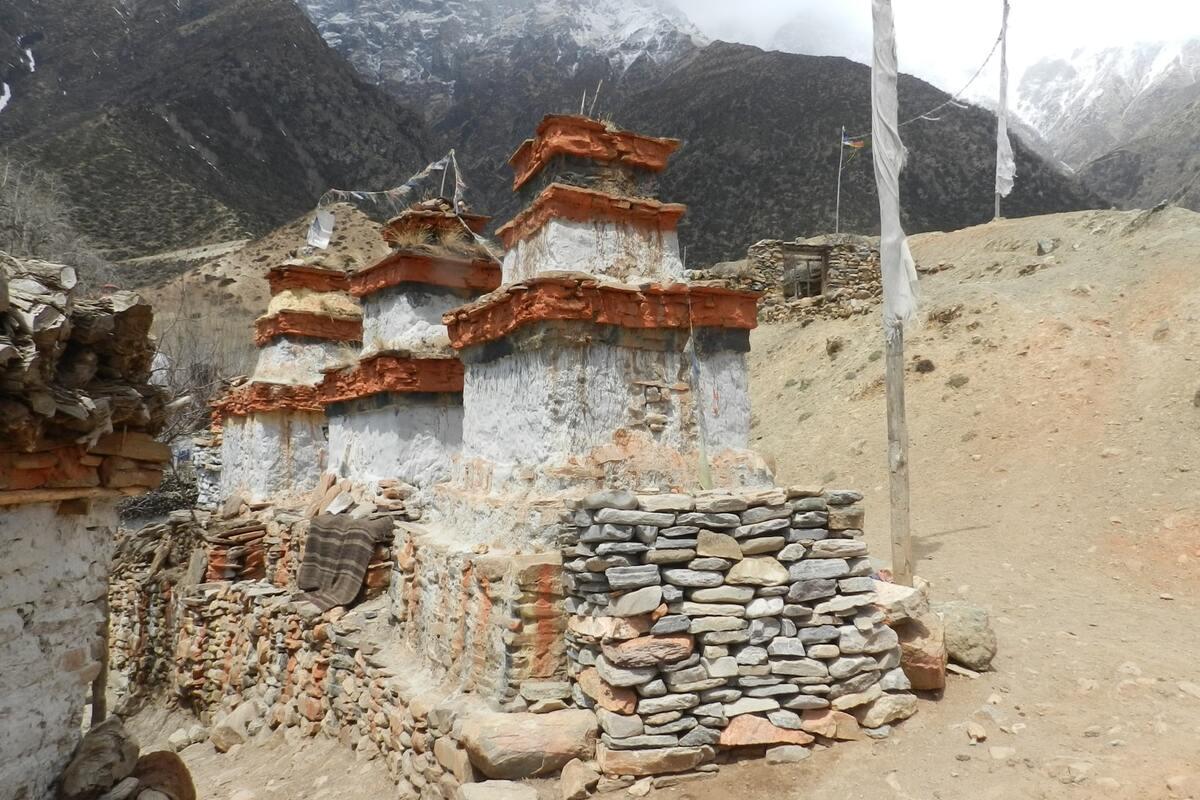
The prime highlight of the journey is visiting the ancient walled city of Lo-Manthang at 3840 meters. The city is the capital of Mustang where people still reside and where ancient monasteries and king’s palaces are located. You can explore the city and locales by walking along it’s age-old streets and alleys. An extra day is planned in Lo-Manthang for acclimatization and exploration. Take a short drive to the mysterious Jhong cave in Chhoser which is one of the ancient man-made caves often known as sky caves.
Upper Mustang Jeep Tour is a one of kind jeep tour high up in the Himalayas and an unforgettable experience that provides a glimpse into a world that hasn’t changed for ages.
Upper Mustang Jeep Trek Highlights
- Scenic drive to Marpha, Jomsom, and Kagbeni along a winding road.
- Exploring Lo Manthang's secret realm.
- Visiting the Muktinath Temple and other significant regional cultural sites.
- Spectacular Jeep excursion along the Kali Gandaki Riverbed.
Itinerary
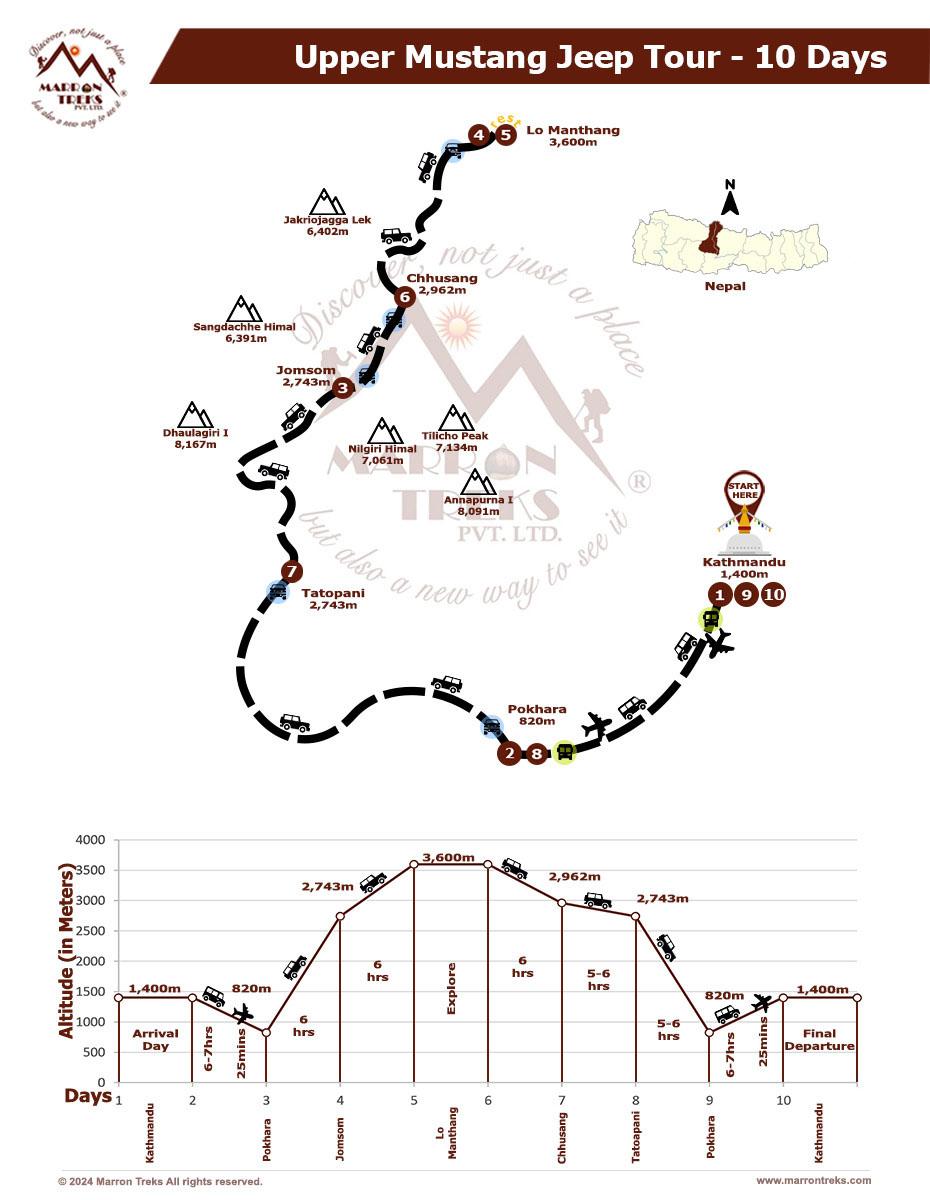
Follow this 10-day Upper Mustang Jeep Tour itinerary covering Kathmandu, Pokhara, Jomsom, and Lo Manthang with scenic mountain drives and cultural highlights.
Upon arrival at the Tribhuwan International Airport in Kathmandu, you need to accomplish your entry/visa formalities. You will then be received by a representative from Marron Treks and transferred to your hotel in Kathmandu. Welcome drinks will be served at the hotel and then we will have a quick pre-trip meeting. You can then spend the remaining time resting or as you please. In the evening, you can stroll around the vicinity of your hotel just to get the feel of this wonderful city.
Early in the morning drive from Kathmandu to Pokhara. The journey takes you through scenic landscapes, offering glimpses of rural life, terraced fields, and stunning views of the Himalayas (weather permitting). The drive is around 200 kilometers (125 miles) long and usually takes between 6 to 7 hours, depending on road conditions and traffic.
Option: You can choose to either take a private vehicle for Kathmandu/Pokhara overland drive or fly to Pokhara from Kathmandu (25 minutes flight)
Start your day early with a breakfast in Pokhara and a scenic drive from Pokhara to Jomsom which takes approximately 6 hours. You'll pass through picturesque landscapes, including lush green hills, terraced fields, and charming villages. En route take short breaks and capture the breathtaking views of the Annapurna and Dhaulagiri mountain ranges. Reach Jomsom by early afternoon. Jomsom is the administrative headquarters of the Mustang district and a popular gateway for trekkers heading to the Mustang region and other trekking routes in the Annapurna region.
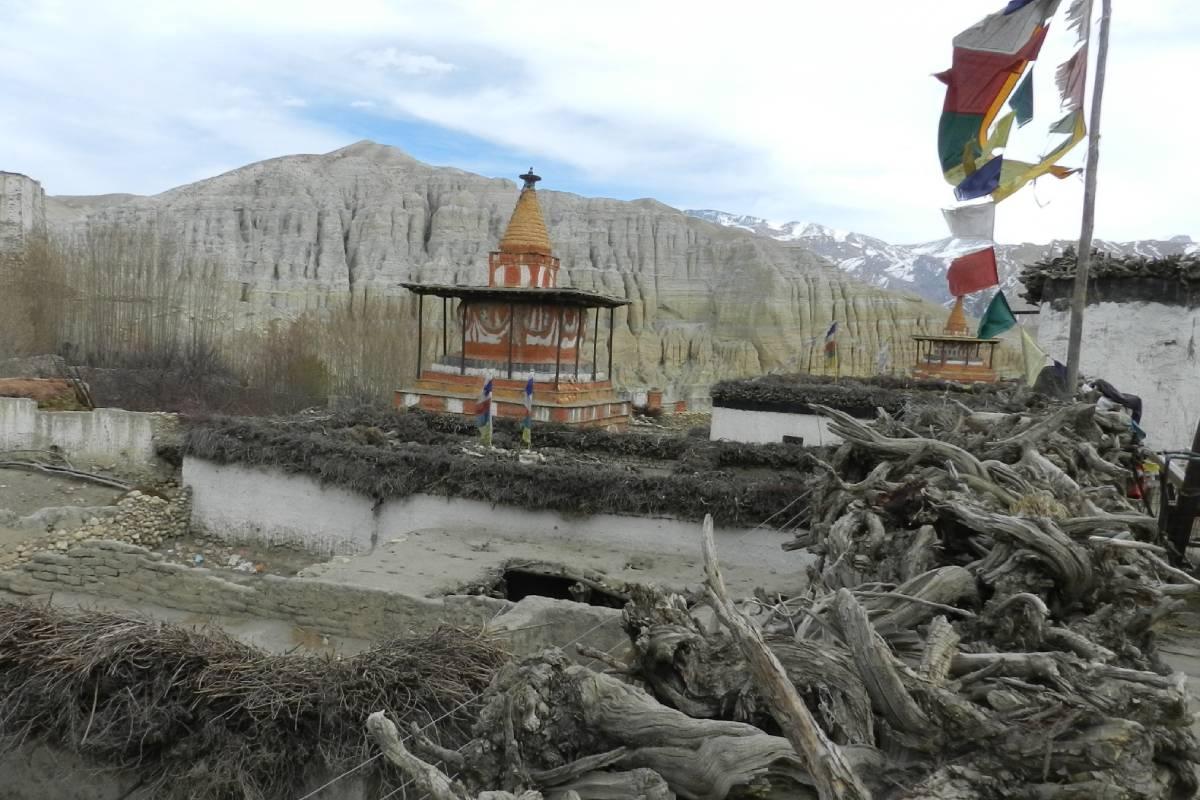
Today drive from Jomsom to Lo-Manthang where the route takes you through the stunning landscapes of the Upper Mustang region, characterized by arid, desert-like terrain, deep gorges, and ancient villages. You will pass by Kagbeni, a picturesque village at the gateway to Upper Mustang, and other unique settlements along the way. Arrive in Lo-Manthang by early afternoon. Lo-Manthang, the ancient walled city, is the former kingdom of Upper Mustang and is renowned for its unique Tibetan culture and stunning architecture. After checking into your lodge, take some time to explore Lo-Manthang. Visit the ancient monasteries, the royal palace, and the narrow alleyways of this historic city.
Begin your exploration of Lo-Manthang by visiting the 14th-century Royal Palace, a prominent structure in the center of the city. We explore the surrounding areas visiting the Namgyal Gompa and Tingkhar. Namgyal Gompa, situated on a hilltop, serves as an important monastery of the local community and also as a local court. After visiting Namgyal Gompa, we proceed towards Tingkhar, the last major settlement to the northwest of Lo-Manthang. The other viable options for excursions at Lo Manthang could be visiting some of the attractive landmarks like- the astoundingly tall Champa Lhakhang (God house), the red Thugchen Gompa, Chyodi Gompa.
Begin your drive from Lo-Manthang to Chhusang, a scenic journey offering stunning views of the Mustang region’s unique landscapes. You’ll pass through arid valleys, colorful rock formations, and ancient villages. Reach Chhusang by early afternoon. Chhusang is a picturesque village located at the confluence of the Narshing River and the Kali Gandaki River.
Begin your drive where the journey will take you through some of the most scenic and culturally rich parts of the Mustang region. The drive will offer stunning views of the Mustang landscape, including deep gorges, rugged mountains, and traditional villages. Reach Tatopani by early afternoon. Tatopani, which means "hot water" in Nepali, is famous for its natural hot springs.
The route from Tatopani to Pokhara will take you through beautiful landscapes, transitioning from the mountainous terrain of Mustang to the lush greenery of the lower altitudes. Reach Pokhara by early to mid-afternoon. Check into your hotel and take some time to relax after the long drive.
After breakfast drive to Kathmandu from Pokhara retracing the same highway route which you took earlier. Upon reaching Kathmandu, check-in hotel and the rest of the time is free to explore or rest. In the evening is Farewell Dinner at one of the authentic Nepali Restaurant with a cultural show.
Option: You can choose to fly to Kathmandu from Pokhara (25 minutes flight)
The trip concludes and our office representatives will take you to the international airport in Kathmandu to catch your onward flight to your next destination or fly back home. You need to be at least 3 hours prior to your flight time at the airport.
Thank you for visiting Nepal and we hope your Himalayan Holiday has come true. Have a safe flight back home!
What is included?
- Airport pick-up and drop services.
- Hotel accommodations in Kathmandu & Pokhara on Twin-Share Basis with breakfast.
- Kathmandu/Pokhara/Kathmandu transfers by private vehicle or tourist bus.
- All trekking accommodations with Breakfast/Lunch/Dinner at local lodges.
- Four seasonal sleeping bags (to be returned after trip completion) & Marron Treks duffel bags.
- A comprehensive medical kit (will be carried by the trekking guide).
- Jeep with a permit, petrol, driver's expenses, and all parking charges in Mustang.
- Experienced Government licensed English Speaking Guide & Assistant Guide including their food, accommodation, salary & insurance.
- Permits for Annapurna Conservation Area, TIMS (Trekkers' Information Management System) & Special Upper Mustang Permit.
- Farewell dinner with a live Nepalese cultural program.
- All government and local taxes.
What is not included?
- International airfare
- Nepal entry visa fee – Visa can be obtained upon your arrival at the Tribhuwan International Airport in Kathmandu. (USD30 for 15 days)
- Lunch & dinner in Kathmandu or Pokhara
- Personal travel insurance.
- Emergency rescue evacuation (to be covered by the client's travel insurance).
- Other expenses of a personal nature (phone calls, laundry, battery recharge, bottle or boiled water, hot shower etc.)
- Cost incurred due to the addition of extra days or change in the real course of the itinerary because of bad weather conditions, political turmoil or any other unforeseen contingencies.
- Bar bills, alcoholic drinks & beverages.
- Tips for Guide & driver
Route Map
FAQ's
Where is Upper Mustang located?
Located in northern Nepal, near the Tibetan border, Upper Mustang is in the rain-shadow zone of the Annapurna Himalayas. The desert-like scenery, old monasteries, and surviving Tibetan culture make this distant trans-Himalayan landscape famous.
What is the duration of Upper Mustang?
The total duration of the tour is 10 days, including arrival and departure.
What time of year is best for the Upper Mustang Jeep Tour?
The best is February to June and September to November. Upper Mustang lies in a rain-shadow location, hence it is one of the few places that may be visited even in late spring and early monsoon.
What is the highest point of the trip?
Lo Manthang, at 3,840 meters (12,598 feet), is the highest point of the trip.
Do I need to have gone trekking before this trip?
No its not mandatory. This is an overland trip by 4WD jeep, thus it's good for anyone who wishes to see the Himalayas without having to hike for lengthy periods of time.
Is there an age limit for people who want to go on the tour?
There is no mandatory age limit. Anyone who is in good health and fitness can join, so it's great for families, elders, and travelers who want a comfortable trip to the Himalayas.
Can I get altitude sickness on this trip?
The altitude isn't very high compared to other climbs, but some people may still feel a little sick. There is a day of rest and discovery in Lo Manthang on the program, so that guests can get used to the new environment. Guides keep a close eye on guests.
What kinds of permits do you need for Upper Mustang?
The tour needs:
- RAP (Restricted Area Permit) for the Upper Mustang Restricted Area
- Permit for the Annapurna Conservation Area (ACAP)
We will help in managing these permits.
Has Upper Mustang fee changed?
Yes, the Upper Mustang Restricted Area Permit fee has been revised as of late 2025/early 2026. The earlier flat fee of USD 500 for the first 10 days has been replaced with a new rate of USD 50 per person, per day.
Will there be guides and other staff to help?
Yes, you will have competent, government-licensed English-speaking guides and expert drivers who know the rough terrain well. They make sure that safety, logistics, and cultural understanding are all taken care of during the trip.
Where will I stay?
In Kathmandu and Pokhara, you'll stay in nice 3-4 star hotels. In Mustang, you'll stay in small teahouses and lodges. These lodges are basic yet clean, and they provide you with a sense of a real mountain experience.
What meals are included in the tour?
During the Mustang trip, you will get three meals a day: breakfast, lunch, and dinner. You can expect to find a combination of Nepali, Tibetan, and international foods such dal bhat, noodles, soups, potatoes, breads, and vegetables that are in season.
Is there power? Can I charge my gadgets?
Yes, most lodges have places where you can charge your phone or other devices for a minimal price. For your own convenience, it is best to have a power bank with you.
Can I take hot showers?
Many lodges have hot showers, although you normally have to pay extra for them. In some places, hot water may come from a bucket instead of a flowing shower.
Is there Wi-Fi or a mobile network?
Some lodges charge for Wi-Fi, however it may not always be fast or dependable. Mobile networks don't always work.
Are there ATMs in Upper Mustang?
Outside of big towns like Kathmandu and Pokhara, there aren't any reliable ATMs. Having enough Nepali cash on hand for personal necessities is vital.
What kind of weather might I expect?
The weather in the spring and fall can range from 10°C to 18°C in daytime, whereas at nighttime it can be as cold as 0°C or lower.
What are the essential items that I need to bring for this tour?
Some of the most important things are comfortable shoes, warm clothing, sunglasses, sunscreen, a reusable water bottle, and personal medicines. Please check our Jeep Tour Equipment List and Medicines List.
Is the Upper Mustang Jeep Tour hard or easy?
People say the journey is moderate. There isn't much walking, but the off-road jeep ride can be long and rocky, which makes it more exciting.
Can you take pictures in Mustang?
Yes, Upper Mustang is a photographer's dream with its stunning vistas, caverns, monasteries, and traditional settlements. Always ask beforehand before taking pictures of people or in monasteries.
Can I change this tour?
Of course. You can change the itinerary to fit your schedule, interests, and level of comfort. You might ask for extra days, cultural visits, or shorter travel options.
Trip Info
Accommodation
While you are in Kathmandu, we opt to accommodate you in 4- or 5-star hotels like Hotel Royal Singhi (4-star), Hotel Manaslu (4-star), Radisson (5-star), Yak & Yeti (5-star), or similar. During the trek, you will be accommodated in a local mountain lodge, better known as Tea House. These lodges and teahouses provide good services and are equipped with basic amenities. We will endeavor to provide you with the best accommodation available along the route so that you get a good night’s rest in a hygienic milieu.
Meals
We never compromise the quality of food or the health of the trekkers as well as the crew members. Generally, we opt for the fresh and nutritional local community food available. You could make your delicious pick from an array of traditional foods like Sweet potatoes, buckwheat barley, etc.
This way, you could not only get a real sense of the local culture and life patterns but also contribute to promoting the locally available resources of organic food and beverages. Besides, a wide range of Continental, Chinese, Italian and Indian cuisines like Pizza, Spaghetti, French Fries, Soups, Breads, Masala curry, etc. are also available in the restaurants for your retreat.
Acclimatization
Altitude sickness is a serious risk while trekking in the Himalayas. It's important to acclimatize properly by spending a few days at lower altitudes before heading higher. By spending time at lower altitudes before pushing higher, your body has time to adjust. Our trekking packages have enough acclimatization days planned where you'll be spending a day or two at lower altitudes, allowing your body to adjust to the increasing altitude.
Electricity & drinking water
For an additional cost, you can use the electricity in all tea houses and lodges to recharge your batteries. The lodges have packaged mineral water for sale, or you can fill your bottle with boiling water. To make water drinkable, you can use water purification tablets too. But, due to hygienic issues, you should avoid drinking water from taps, rivers, or wells in trekking areas.
Communication
At lodges, restaurants, and hotels, Wi-Fi is available for an additional fee in the most popular trek regions, like Everest, and Annapurna. However, at high elevations, phone calls are the only means of connection. Our office in Kathmandu is in constant communication with your trek guide. In Kathmandu, you can purchase a local sim card for communication purposes. At high elevations, the mobile signal might not be as strong, though.
Travel Insurance
It is advised that you arrange your travel insurance before leaving your homeland. The main thing is to make sure that your insurance covers you for both- medical and evacuation costs. Having travel insurance with you makes your trip secure and hassle-free.
Our Guides
Guides play a significant role during the trek. They are the ones who literally decipher the trekking codes for you so that you can actually connect with nature, culture and people along the way. We have helpful and dedicated trekking guides who are very well-versed in the culture, life patterns and every single detail pertaining to the trek region you are traveling in. Thus, in the company of our professional Sherpa guides, your trek becomes not only entertaining but also equally informative.
Porter and Staff Care
When it comes to high-altitude trekking, porters and staff members make up a pivot. Marron Treks ensures that all the porters and staff members going to high altitudes are provided with adequate clothing and equipment. All our field staff are covered by insurance.