USD 700
Pikey Peak Trek: The Ultimate Guide to the Best Everest View (Cost, Map & Itinerary)
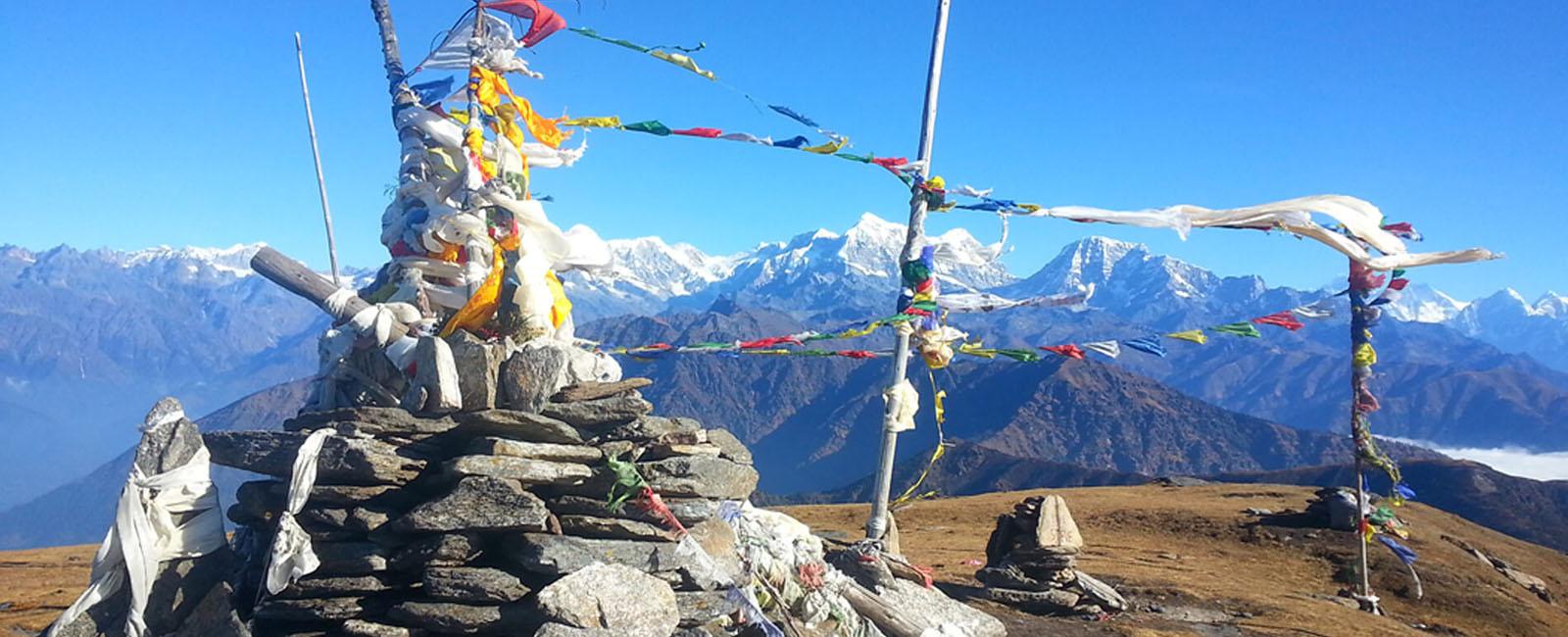
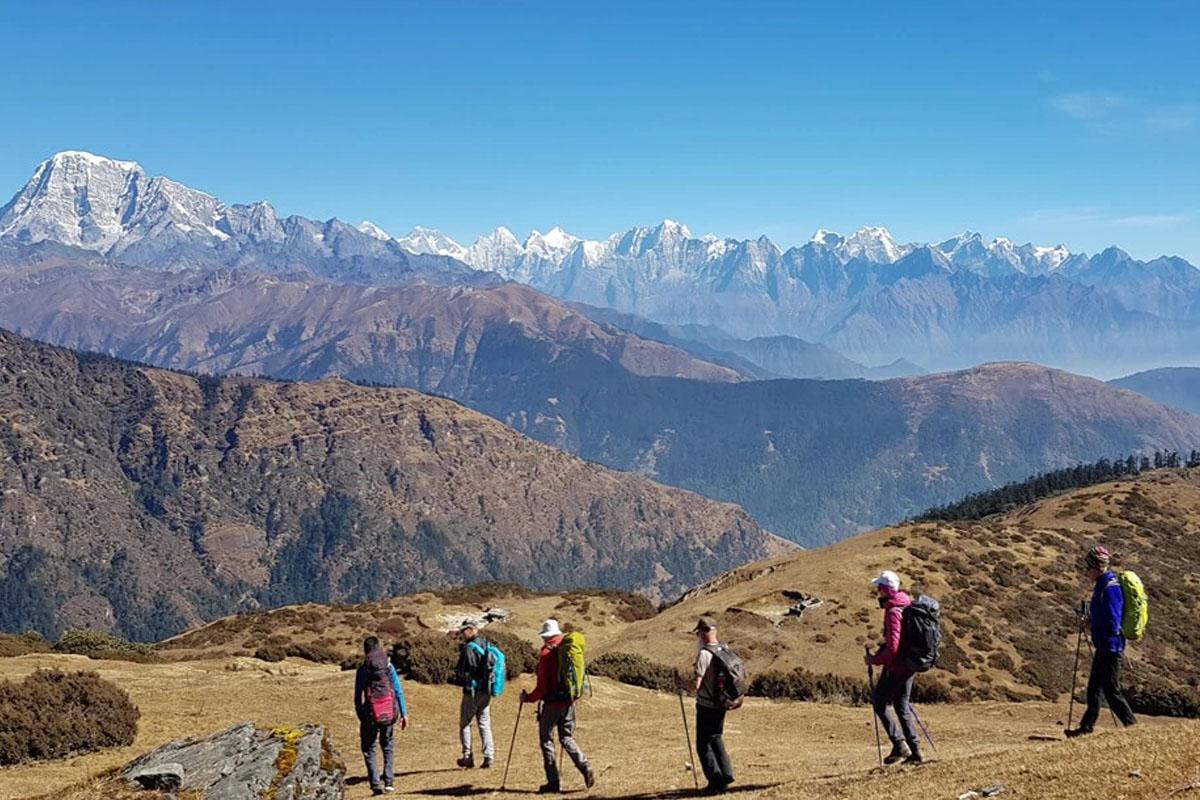
The Pikey Peak Trek is a quick trek in the lower Everest region. The trek is considered an easy alternative to the Everest Base Camp Trek. The summit of Pikey Peak is famous as Sir Edmund Hillary’s favorite viewpoint, offering panoramic views of Mount Everest along with Lhotse, Makalu, and other Himalayan peaks.
Essential Trail Update
- Estimated Cost: $700 – $900 USD (complete trek package)
- Key Advantage: No Lukla flight required; direct 7–9 hour jeep drive from Kathmandu
- Trail condition: Stable walking conditions in spring (March to May) and autumn (Sep to Nov). Slippery and muddy during monsoon (Jun–Aug). Light snow during winter (Dec to Feb) at higher altitudes.
- Road updates: 7–9-hour jeep drive from Kathmandu to Dhap, which is smooth at first but off-road closer to Dhap. Monsoon can cause slight landslides, causing a delay.
- Crowd level: Lower crowd compared to the Everest Base Camp route. It can slightly increase in spring and autumn.
- Any permits or restrictions: A Gaurishankar Conservation Area Permit (GCAP) and TIMS Card (Trekkers' Information Management System) are required, which is easily issued in Kathmandu.
- Seasonal notes: Everest is most visible during clear autumn mornings and spring sunsets.
Trip at a Glance
-

Country: Nepal
-

Trip grade: Moderate
-

Destination: Everest region
-

Activities: Trekking
-

Accommodation: Hotels/Lodges
-

Meals: Breakfast/Lunch/Dinner
-
.png)
Transportation: Private vehicle or Flight
-

Maximum altitude: 4,065 m
-
Trip Start / End: Kathmandu - Kathmandu
-
.png)
Best Season: Mar to May & Sep to Nov
Introduction to Pikey Peak Trek
Do you wish to see Mt. Everest without a long and strenuous trek? The Pikey Peak Trek is the perfect short and easy alternative to see Mt. Everest clearly without the risks of extreme high altitude.
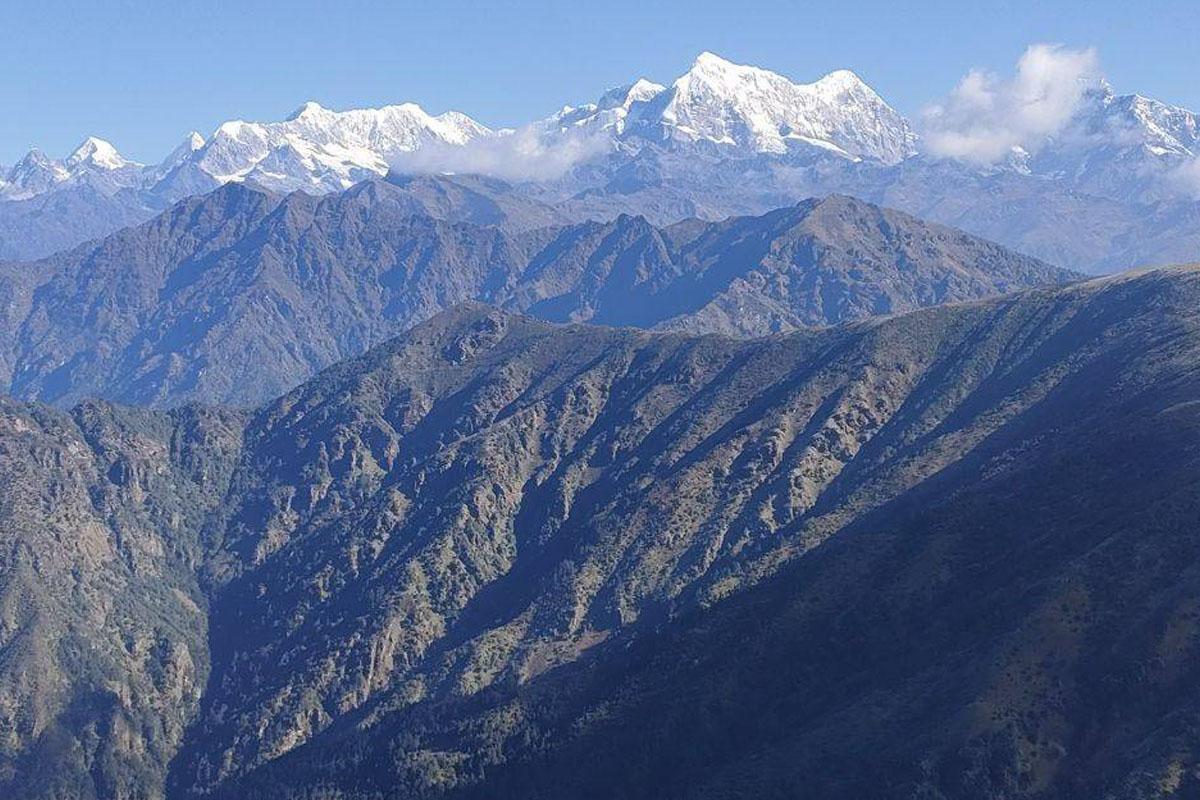
Reaching an elevation of 4,065 meters, Pikey Peak is located in the lower Everest region. The summit offers a breathtaking 360-degree panorama of the Mahalangur Himalayan Range, including Mt. Everest, Lhotse, Makalu, Kanchenjunga, and Numbur Chuli.
The trekking route is significantly quieter compared to the crowded Everest region trekking routes found in the upper Khumbu. This peaceful atmosphere, combined with unique cultural highlights like Sherpa villages and a visit to the Thupten Choling Monastery, is why it is becoming the top choice for a low-altitude Everest experience.
In this ultimate guide, we provide everything you need to plan your journey, including a detailed 2026 itinerary, comprehensive trail maps, and a full breakdown of trekking costs.
Why Choose Pikey Peak Trek
The Pikey Peak Trek is a short, budget-friendly, and beginner-friendly trek that offers stunning panoramic views of Mount Everest and other peaks, peaceful, less-crowded trails, and rich cultural experiences through Sherpa villages and monasteries.
- Best panoramic Everest views: Pikey Peak offers an excellent Mt. Everest view without a long trek like other Everest view trekking options. From its viewpoint, other world’s tallest mountains like Lhotse, Makalu, and Kanchenjunga can be seen.
- Less crowded trails: The trek route is quiet and peaceful compared to other trekking routes in the Everest region. You can enjoy walking with fewer people on the trail.
- Budget-friendly trek: Expensive flights like Lukla are not needed, as the trek is shorter. It’s a budget-friendly way to get a clear view of Mt. Everest.
- Cultural experience (villages and monasteries): Discover a unique cultural experience as you trek along. You visit the Thupten Choling Monastery and pass through Sherpa villages along the way.
- Suitable for beginners: The trek is ideal for beginners and those looking for an easier Himalayan trek. The trail is at a lower altitude and not too difficult.
Pikey Peak Trek Cost Breakdown
The Pikey Peak Trek is a budget-friendly Himalayan adventure that offers an affordable way to experience stunning Everest views, with costs mainly covering permits, guide and porter services, food and accommodation, transportation, and a total estimated budget of around $700–900 depending on your travel style.
- Permits cost: Pikey Peak Trek is an affordable trek in the Everest region. The required trek permits are the Gaurishankar Conservation Area Permit (GCAP) permit, which costs approx. USD 30. Then the TIMS card (Trekkers' Information Management System), which costs USD10.
- Guide & porter cost: Solo trekking in Nepal has not been allowed since 2023. All foreign trekkers require a government-licensed trek guide. The cost of a guide is $25-35 per day. A porter costs $18-25 per day, who can carry luggage up to 20-25 kg for two trekkers.
- Food & accommodation: Food available is Dal Bhat (rice, vegetables with lentil), noodles, pasta, soup, momos. A good filling with the best value is Dal Bhat, which gives energy for trekking. The daily budgets come to $20-30 per day. Mountain lodges, better known as tea houses, offer a clean and comfortable stay. Usually, rooms are on a twin-share basis. Attached bathrooms are not available in remote areas. There is an extra cost for Wi-Fi, a hot shower, and device charging.
- Transportation: Public or private transportation is available from Kathmandu to Dhap. A shared jeep will cost USD15-25. A private jeep will cost USD 200-300 for one jeep. The flight from Phaplu to Kathmandu is USD 195.
- Total estimated budget: You can expect to spend around $700-900 for the entire trek, which depends on your style of trek. Check our Nepal trekking cost guide for more information.
Below is a simple cost breakdown to help you plan your budget.
|
Cost Component |
Estimated Cost (USD) |
Mandatory / Optional |
Details |
| Permits |
$20 – $30 |
Mandatory |
Local entry permits |
| Guide |
$25 – $35 per day |
Mandatory |
Helps with navigation, safety, and local insight |
| Porter |
$20 – $30 per day |
Optional |
Carries luggage (up to 20–25 kg) |
| Food |
$25 – $35 per day |
Mandatory |
Meals (breakfast, lunch, dinner) |
| Accommodation |
$5 – $15 per night |
Mandatory |
Tea house/lodge stays |
| Transportation |
$50 – $180 |
Mandatory |
Jeep/bus from Kathmandu to trailhead (Dhap) |
| Miscellaneous |
$20 – $50 |
Optional | Snacks, charging, hot showers, WiFi |
Pikey Peak Trek Map & Route Overview
The trek to Pikey Peak starts from Dhap. It can start from Salleri too, but Dhap is the most common since it connects directly to the main trail. The trek route goes through woodlands, small villages, and green valleys with a wide mountain panorama.
The trek slowly gains altitude, allowing proper acclimatization. Pikey Peak (4065 m) is the highest point from where the best panoramic view of Mt. Everest and its surrounding peaks can be seen clearly. You can also explore other similar routes in our Everest trekking map routes
The key highlights of the trek are:
- Pikey Peak (4065m) – the best viewpoint
- Junbesi village—cultural experience
- Thupten Choling Monastery – peaceful hike
Here is the route step by step:
- Kathmandu → Dhap (2,850 meters/7–9 hours' drive): Drive from Kathmandu to Dhap, the trek starting point. Altitude gain is 1450 meters.
- Dhap → Jhapre (2920 meters/4-5 hours walk): The trek starts, passing along forested trails with easy walking through villages. If the weather is clear, the first distant view of Mt. Everest is seen. Altitude gain is 70 meters
- Jhapre → Pikey Base Camp (3640 meters/6-7 hours walk): Mainly an uphill, gradual walk passing through a Rhododendron Forests (Spring Bloom). Trekking along open ridges with a spectacular mountain panorama. Altitude gain is 720 meters.
- Pikey Base Camp → Pikey Peak Summit (4,065 meters) → Junbesi (2700 meters/6-7 hours walk): Hike to Pikey Peak Summit (4,065m) for a sunrise over the Himalayas. The best and clearest panoramic view of Everest, Kanchenjunga, and more can be seen. It’s a long descent to Junbesi village. Altitude gain is 425 meters.
- Rest Day at Junbesi – Hike to Thupten Choling Monastery (2-3 hours walk one way): Take a short hike to Thupten Choling Monastery. It’s a peaceful location with a beautiful mountain view. Then back to Junbesi.
- Junbesi → Phaplu / Salleri (2413 meters/4-5 hours walk): Easy walking through Sherpa villages and farmland. Reach Phaplu or Salleri. Drive or optional flight back to Kathmandu
Why Pikey Peak Trek with Us
Planning a trek in Nepal with a travel expert who knows the trail well ensures a smooth, safe, and hassle-free trekking experience.
- Marron Trek is a Nepal-based local trekking company with more than 27 years of experience. Our team knows the Himalayan trail very well.
- We have organized countless treks and tours for many years, with travelers from around the world joining us and sharing good experiences.
- Our experienced guides are friendly and helpful. They have thorough knowledge of the route, weather, and local culture.
- We offer flexible itineraries suiting your time and budget. We can customize the best itinerary according to your requirements.
- We provide clear and transparent pricing. There are no hidden costs.
- We provide strong support before, during, and after your trek. Our team is on standby from trip planning to your return.
- We have received positive feedback from our past clients. Our service and friendly approach are highly appreciated many times.
Itinerary
Early in the morning, you start with a drive from Kathmandu following the BP Highway to Dhap Bazaar. Following the Sunkoshi River Valley, the road slowly climbs high hills. You will notice the landscape changing from lowlands to mountain ridges.
At first, it’s mostly a paved and smooth road. The final section, getting closer to Dhap Bazaar, is a bit rough and bumpy. Dhap Bazaar is a small and quiet village for an overnight stay.
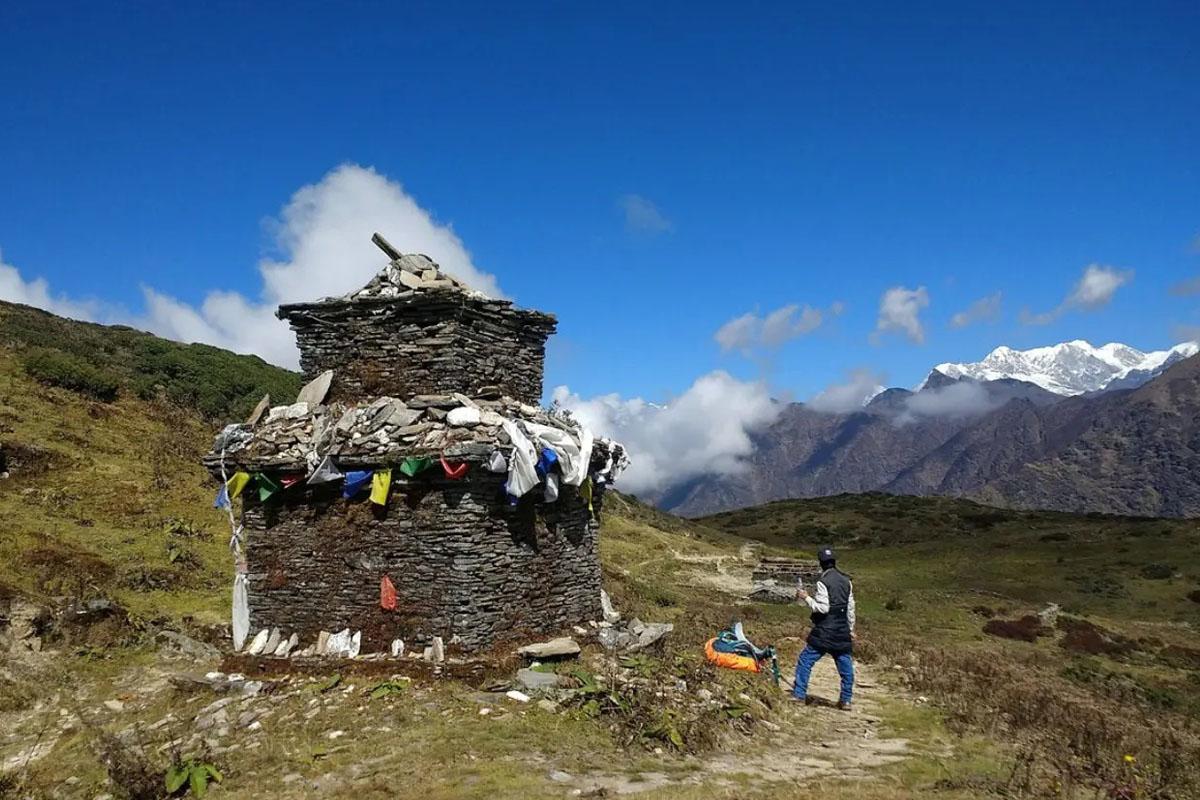
Today is the first trek day. You follow a gentle trail crossing rhododendron forests and small Sherpa villages. Reaching Jhapre, you can visit an old Buddhist stupa offering a good mountain view. From here, you can spot Numbur Himal on a clear day.
You will go higher with the trail becoming more scenic. Trek along ridges with panoramic mountain views. The trail leads you from the forest to an open alpine landscape. You will see yak grazing areas along the route.
Soon you will reach Pikey Base Camp, a serene location, and enjoy the sunset over the mountains. Today is the most important day for acclimatization. Teahouses near the Mani walls are known for warm hospitality and are good places to stay.
Today, you need to start early, around 4 am, to watch the sunrise from the Pikey Peak summit. This viewpoint is often called the ‘Hillary View’ as it was a favorite of Sir Edmund Hillary. On a clear day, the top of Pikay Peak offers clear views of Everest, Lhotse, Makalu, and Kanchenjunga.
After spending time at the summit, you descend to Junbesi village. Junbesi is one of the most beautiful Sherpa villages in the region. You can also visit Thupten Choling Monastery, which is a peaceful and spiritual place.
Today is the final trek day. You will pass through villages, forests, and farmlands. Soon, Phaplu is reached. Then drive back to Kathmandu. Most travelers prefer driving because flights from Phaplu are often delayed or canceled.
What is included?
- Kathmandu/Dhap transfer by a private vehicle.
- Phaplu/Kathmandu by flight.
- All trekking accommodations with Breakfast/Lunch/Dinner at local lodges.
- Four seasonal sleeping bags and duffel bag bags (to be returned after trip completion).
- A comprehensive medical kit (will be carried by the trekking guide).
- Experienced Government licensed English Speaking Guide & Porter (1 porter for two people) including their food, accommodation, salary & insurance.
- Permits for Gaurishankar Conservation Area Permit and TIMS card.
- Farewell dinner with a live Nepalese cultural program.
- All government and local taxes.
What is not included?
- Any services in Kathmandu.
- Personal travel insurance.
- Emergency rescue evacuation (to be covered by the client's travel insurance).
- Other expenses of a personal nature (phone calls, laundry, battery recharge, bottle or boiled water, hot shower etc.)
- Bar bills, alcoholic drinks & beverages.
- Tips to the guide & porters (Tipping is expected).
FAQ's
How do I get from Kathmandu to the Pikey Peak trek starting point?
You can either take a private jeep or a local bus to get to Dhap Bazaar (8-9 hours), the trek start point of Pikey Peak.
Is it better to drive or fly to Phaplu for the Pikey Peak trek?
Driving is cheaper, and flights are faster, but flights to Phaplu depend upon the weather and can get delayed.
What are the mandatory permit requirements for Pikey Peak?
You will need a permit for the Gaurishankar Conservation Area Permit (GCAP). TIMS is often not required now.
How many days are actually needed for a comfortable Pikey Peak itinerary?
For an enjoyable trek, you will need 5-7 days.
Can I do the Pikey Peak trek solo, or is a guide mandatory?
You can do the trek on your own or hire a guide.
How difficult is the Pikey Peak trek compared to Everest Base Camp?
The trek is considered easier than the Everest Base Camp.
Is Pikey Peak suitable for beginner trekkers or families?
Yes, it’s the best for beginners or families looking for a short Himalayan trek.
What is the risk of altitude sickness on the Pikey Peak trail?
Only low or moderate altitude sickness can occur during the trek.
How many hours of walking are required per day on the 5-day route?
Around 5 to 7 hours of walking, depending on the trail.
What is the highest altitude reached during the Pikey Peak trek?
The highest is the summit of Pikey Peak, which is about 4,065 meters.
Which 8,000-meter peaks are visible from the Pikey Peak summit?
A panoramic view of Mount Everest, Kanchenjunga, Makalu, and Manaslu can be seen on a clear day.
What is the total estimated cost of the Pikey Peak trek?
It depends on the kind of service you book, like private transfer, local bus, flight, guide, or porter.
When is the best month to visit Pikey Peak for clear Everest views?
The best months are October to November and March to April.
What kind of accommodation and food are available in the teahouses?
Lodges will be simple with basic rooms and limited facilities. Food will be dal-bhat, noodles, etc.
Is there a reliable mobile network (NTC/Ncell) or Wi-Fi on the Pikey Peak trail?
In some places, NTC and Ncell work with a weak signal. Wi-Fi is available in the lower region.
Equipment
You need to pack the right things, but don’t forget the essentials. At higher altitudes, the weather is unpredictable; proper clothing and gear make the trek more comfortable and easier.
Clothing
- Warm jacket (down or insulated)
- Fleece or warm sweater
- Waterproof jacket (for wind and rain)
- T-shirts (quick-dry)
- Trekking pants
- Thermal innerwear (for cold nights)
- Warm hat and sun hat
- Gloves
- Comfortable underwear and socks
Gear
- Backpack (30–40L for daily use)
- Duffel bag (if using porter)
- Sleeping bag (for cold nights)
- Trekking poles (helpful on uphill and downhill)
- Headlamp or flashlight
- Water bottles or hydration system
- Sunglasses (UV protection)
Essentials
- Passport and permits
- Basic first aid kit
- Personal medicines
- Sunscreen and lip balm
- Toiletries (toothbrush, soap, tissue)
- Hand sanitizer
- Snacks (energy bars, nuts)
Optional items
- Camera or phone for photos
- Power bank or extra batteries
- Book or notebook
- Lightweight towel
For a more detailed checklist, see our Everest trekking packing list to make sure you don’t miss anything important.
Trip Info
Difficulty Level of Pikey Peak Trek
The trek to Pikey Peak is considered easy to moderate. It is good for both beginners and regular hikers. However, it’s important to prepare well since the trek is not entirely easy. The expected walking hours are 4 to 7 hours each day. Mostly it’s a gradual uphill route, but it also has steep sections at some points. These sections are when you are going up to viewpoints. Imagine you are walking up and down a long staircase.
It’s a mixed terrain with forest trails, stone steps, and small villages. There are uneven paths. The trail can be a bit rough in a few places. You need to watch your steps. The altitude gain is gradual, which helps your body adapt better. Compared to other longer and higher treks, this trek is shorter and less challenging and still offers spectacular mountain views. For more comparisons, see our Everest region trekking difficulty guide to understand how it compares with other routes.
Fitness Requirement for Pikey Peak Trek
A moderate level of fitness is an important requirement of the trek. You don’t have to be super fit. If walking comfortably for 4 to 7 hours a day and climbing stairs is not a problem for you, then you are normally fit enough for this trek. This trek suits those who are regular walkers or beginners with some preparation and also first-time trekkers. Previous trekking experience isn’t required, but if you have done trekking before, it definitely helps.
For preparation, you can go for regular walking or light jogging a few weeks before your trek. Simple cardio exercises can also be done. Walking uphill or climbing stairs is suggested, which builds stamina for long walks. A little risk of altitude sickness is possible since the trek goes to a higher altitude. But the altitude gain is gradual, so your body slowly adjusts to the increasing altitude. You still need to walk slowly, take breaks, and drink plenty of water.
Acclimatization and pacing at the right time are very important. Do not rush, and go slowly and steadily. Fitness is the key and matters more than age. With the right preparation, people of any age can complete this trek. To prepare properly, follow our guide on trekking fitness preparation in Nepal for simple training tips before your trip.
Best Time for Pikey Peak Trek
The best time for trekking to Pikey Peak is the spring and autumn seasons. During these times, mountain views are clearer, and trekking is pleasant.
Spring (March to May)
Spring is one of the best seasons during which the mountain panorama is at its best, and the landscape will be lush and green.
Pros:
- Unobstructed mountain views
- Rhododendron flowers blooming
- Excellent weather for a walk
Cons:
- Lower areas are usually a bit warmer
- The trails can get busy
Autumn (September to November)
Autumn is another of the best seasons for trekking, when the skies are clear and the weather is comfortable and stable for trekking.
Pros:
- Very clear skies with excellent mountain views
- Weather conditions are stable
- Pleasant temperature
Cons:
- Being a popular time, trails can get busier
Winter (December to February)
Winter is very cold, but it’s a potential season for people who prefer trekking in winter since the trails are uncrowded.
Pros:
- Less crowded trails
- Clear views on sunny days
Cons:
- Cold conditions, mainly early morning and nighttime
- Snow is possible in higher areas
- Some lodges might be closed in high regions
Monsoon (June to August)
Monsoon gets heavy rainfall with muddy trails and is the least recommended time for trekking.
Pros:
- Lush green forests
- Only a few trekkers on the trail
Cons:
- Frequent rain with muddy paths
- Clouds block mountain views
- Some forest areas have leeches
- Possible travel delays
For more details on the weather, check our Everest trekking seasons guide to know the best time for trekking.
Accommodation, Food & Facilities
The accommodation during the trek is simple mountain lodges, better known as tea houses. Local families run these small lodges. The accommodation will be basic with food included. This gives you a real local experience.
- Tea Houses: Along the route, there are plenty of tea houses. It’s a simple but comfortable lodge for a good night’s stay. The facilities will be more basic as you go higher compared to the lower regions. There can be squat toilets, which need to be shared in some places.
- Food Options: It’s simple food, but mostly fresh and local. Usually, the menu consists of dal bhat (rice, lentils, and vegetables), noodles, soups, potatoes, and eggs. You might get pancakes, pasta, or fried rice. The higher altitude has a limited food menu.
- Room Conditions: Rooms are on a twin-share basis. It will have simple beds, mattresses, and blankets. Heating won’t be available in the rooms. Instead, the heating system is usually in the dining area. You need to bring an extra sleeping bag.
- Availability Along the Trail: Tea houses are most common on the entire trek route. The facilities become limited as you trek higher. Higher elevations have limited tea houses; you need to book in advance in busy seasons like spring and autumn.
For more details, see our tea house trekking Nepal guide to understand what to expect during your trek.
Permits & Required Documents
Pikey Peak is protected under the Gaurishankar Conservation Area Project. You will require permits to enter and trek in this region. These permits are mandatory and checked along the trail.
Required Permits
- Gaurishankar Conservation Area Permit (GCAP) - NPR 3,000/USD 21 approx.
- TIMS card - NPR 2,000/USD 14 approx.
Where to Get Them
- Gaurishankar Conservation Area Permit (GCAP) and TIMS Card can both be obtained from the Nepal Tourism Board office in Kathmandu.
Cost and Process
- Gaurishankar Conservation Area Permit (GCAP) - NPR 3,000/USD 21 approx.
- TIMS card - NPR 2,000/USD 14 approx.
Step-by-Step Process:
1. Visit the Nepal Tourism Board office.
2. Fill out the permit form.
3. Submit a passport-size photo.
4. Pay the fee.
5. Receive permits on the same day.
Booking your trek with a travel agency like Marron Treks, all permits will be handled by us. For more, see our Nepal trekking permits guide for more details.
Tips for a Successful Trek
Below are simple tips to make your trek safer and to enjoy it to the fullest.
- Acclimatization advice: Give enough time for acclimatization, taking short breaks. Walk slowly and do not rush. Let your body adjust to the increasing altitude. The best is to climb high in day, sleep at a lower altitude at night.
- Hydration: Staying hydrated helps to avoid the possible risk of altitude sickness. Drink at least 3-4 liters of water per day.
- Hiring guide vs solo trekking: Even the trek can be done solo, but hiring a guide makes it safer and easier. A guide knows the routes well. He will be a big support in case of any health or altitude problems.
- Safety tips: Do not trek off the trail. Avoid trekking alone in remote areas. Walk at your own pace and do not match others’ speed. For more advice, check our Nepal trekking safety tips.