Api Base Camp Trek
The Api Base Camp Trek is a 15-day journey in far-west Nepal that takes you through quiet, remote trails to the base of Mt. Api (7,132 m). The route passes through the Api-Nampa Conservation Area, from green lowlands to high mountain landscapes, offering peaceful nature, simple villages, and local Bhotia culture.
Essential Update:
- Guide Rule: Solo trekking is not allowed in Api Himal. All foreign trekkers must have a licensed guide through a registered company.
- Permits: You need an Api Nampa Conservation Area (ANCA) permit before starting the trek.
- Facilities: Basic tea houses are now available in some villages like Siti and Makarigad, but higher camps are still very simple. Carry a good sleeping bag.
- Road Condition: The road from Dhangadhi to Gokuleshwar is better now, but the final section to Latinath can still face delays in monsoon. Keep extra buffer days.
- Network & Safety: Mobile network works in lower areas but disappears in higher regions. Carry a satellite phone or GPS device for safety.
Trip at a Glance
-

Country: Nepal
-

Trip grade: Strenuous
-

Destination: Western Nepal
-

Activities: Camp/Lodge trek
-

Accommodation: Hotels/Tented camps
-

Meals: Full-board on trek
-
.png)
Transportation: Private vehicle/Plane
-

Maximum altitude: Api Base Camp (3,861m)
-
Trip Start / End: Kathmandu - Kathmandu
-
.png)
Best Season: Mar-May, Sep-Nov
Api Base Camp Trek Overview
“What is the Api Base Camp Trek?”
The Api Base Camp Trek is a remote and unexplored Himalayan trek in Nepal. The unspoiled Api-Himal region trek is located in far western Nepal within Sudurpashchim Province. The highest peak in western Nepal, Mount Api (7132 m), is located here.
The region is unaffected by mass tourism like the Everest and Annapurna routes. The trail goes through dense forests, alpine meadows, glaciers, rivers and high mountain valleys. This cultural Himalayan trek passes along traditional villages whose culture has unchanged for generations.
Trekking to the Api region is experiencing western Nepal’s true wilderness, making it an isolated trekking Nepal. The region is inhabited by ethnic communities like Chhetri, Brahmin, Dalit, and Byansi groups whose traditions are influenced by Nepali and Tibetan cultures.
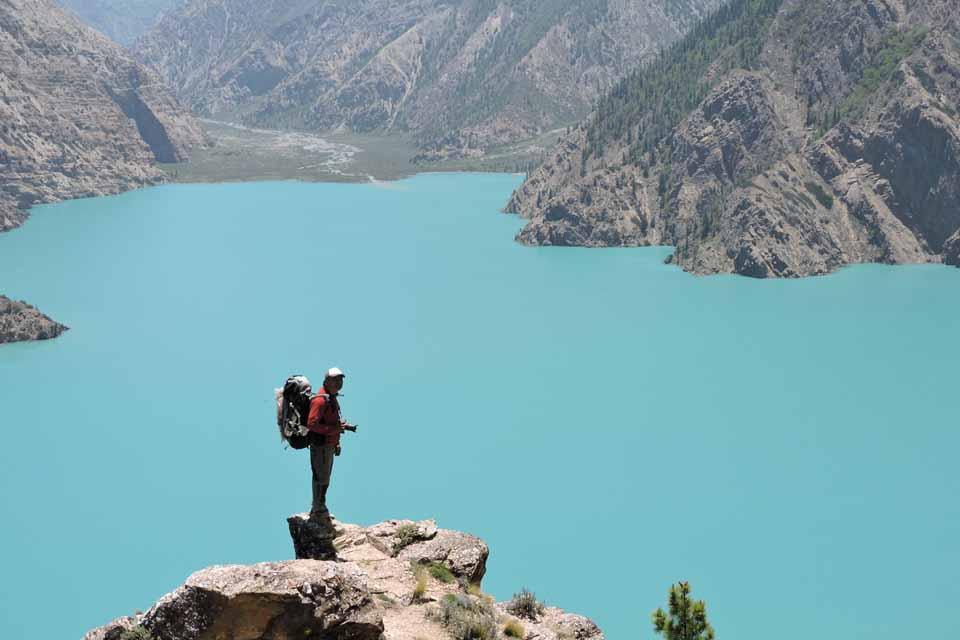
The biodiversity of the region is diverse with rhododendron, pine, oak, and juniper forests with wildlife like Himalayan tahr, musk deer, and blue sheep, including varieties of Himalayan bird species. The trail passes through subtropical valleys with views of snow-capped peaks, forming a remarkable ecosystem within a comparatively small trek area.
The trek remains an offbeat Nepal trekking route and a genuine wilderness trekking Nepal experience due to its remote location. Compared to other trek regions, western Nepal trekking rarely has less tourism investment. This results in limited road access and limited trekking facilities and logistics, which in turn have preserved the area's natural beauty and cultural authenticity.
Who is this trek for?
- Experienced trekkers looking for a demanding adventure.
- Adventure seekers searching for hidden Himalayan trails.
- Offbeat Himalayan explorers planning remote region treks.
- Landscape and wildlife photographers.
- Researchers and cultural enthusiasts seeking genuine local experiences.
- Adventure seekers wanting a true wilderness trekking experience
Not suitable for:
- Luxury travelers seeking upscale accommodation.
- Novice trekkers without endurance training.
- Travelers who prefer easy access to services and facilities.
- Trekkers who expect good amenities.
Discover hidden routes for a remote trek by checking our Remote Treks in Nepal.
Short Itinerary
Day 01: Arrival in Kathmandu (1,300 m)
Day 02: Fly from Kathmandu to Dhangadhi (109 m/1 hr & 15 min. flight)
Day 03: Drive from Dhangadhi to Gokuleshwar (8 hrs drive)
Day 04: Drive from Gokuleshwar to Latinath (1,004 m/2 hrs) & trek to Paribagar (1,770 m/1 hr)
Day 05: Trek from Paribagar to Makarigaad (1,470 m / 5 hrs)
Day 06: Trek from Makrigaad to Siti (2,254 m/8 hrs)
Day 07: Trek from Siti to Domal (2,950 m/7 hrs)
Day 08: Trek from Domal to Dhaulo Odar (Lower Api Base Camp) (3,548 m/5 hrs)
Day 09: Trek from Daulo Odar to Api Base Camp/Pilkandah (3,861m) & back to Daulo Odar
Day 10: Trek from Daulo Odar to Siti (2,258 m/6 hrs)
Day 11: Trek from Siti to Makarigaad (1,470 m/6 hrs)
Day 12: Trek from Makarigadi to Latinath (4 hour) & drive to Gokuleshwar (2 hours)
Day 13: Drive from Gokuleshwar to Dhangadhi (9 hrs)
Day 14: Fly from Dhangadhi to Kathmandu (1,300 m/1 hr & 15 min flight)
Day 15: Final Departure
Best Time for Api Base Camp Trek
For safe and enjoyable journeys, the right season needs to be chosen for the trek to Api Base Camp. The mountain climate Nepal changes round the year, like the trail conditions, weather and temperature. Understanding all this, trekkers should plan their journey at the best time.
The generally considered best trekking months Nepal are spring (March to May) and autumn (September to November). The weather will be stable with good mountain views and trails more accessible during these popular Nepal trekking seasons.
- Spring (Mar-May) has clear skies and spectacular mountain views. The trail is covered with blooming flowers, and the temperature will be comfortable. Average Temperature: 10°C to 20°C at lower elevations and -5°C to 10°C near base camp.
- Autumn (Sep-Nov) is another popular season with good mountain visibility and dry weather. The air becomes fresh after monsoon rain with clear mountain views. Average Temperature: 8°C to 18°C at lower elevations and -3°C to 8°C near base camp.
- Winter (Dec-Feb) is colder with snowfall at higher elevations. The weather conditions Api Himal can be challenging, with some trail sections difficult to pass due to snow. Average Temperature: Below freezing at higher elevations, often -10°C or lower.
- The monsoon (Jun-Aug) is not recommended for traveling due to heavy rainfall, according to Himalayan weather guide. The trails will be muddy and slippery with chances of landslides in some areas. Average Temperature: 15°C to 25°C at lower elevations.
Api Trek Season Guide
|
Season |
Pros |
Cons |
Recommendation |
|
Spring (Mar–May) |
Mild temperatures, blooming flowers, clear mountain views |
Occasional rain showers |
Highly Recommended |
|
Summer/Monsoon (Jun–Aug) |
Green landscapes, fewer trekkers |
Heavy rain, muddy trails, poor visibility |
Not Recommended |
|
Autumn (Sep–Nov) |
Stable weather, clear skies, excellent visibility |
Popular trekking season |
Highly Recommended |
|
Winter (Dec–Feb) |
Quiet trails, beautiful snowy scenery |
Cold temperatures, possible snow-blocked trails |
For experienced trekkers |
Check our best time to trek in Nepal for more information.
Why Choose Marron Trek for the API Base Camp Trek
Trek to the Api Base Camp requires careful planning, as it is the most remote area and the least explored trek destination. The facilities and infrastructure are limited compared to other popular trek regions in Nepal.
Marron Treks, as a local trekking agency Nepal, provides professional assistance and expert support throughout the trek. Our team understands the challenges of trekking to the Api region and has extensive experience in remote western Nepal treks, making us the best trekking company Nepal.
- Local Expert Guides with Regional Knowledge
Our Api Base Camp expert guides have years of experience in trekking in the Api Himal region with knowledge of local culture, trails, and weather conditions.
- Experience in Remote Western Nepal
We have thorough knowledge of operating treks in western Nepal, from managing logistics to transportation, permits, and accommodation.
- Safety-First Trekking Approach
Safety is our first priority, with our guides trained in mountain wilderness training, altitude sickness challenges, and quick response in emergencies.
- Transparent Pricing with No Hidden Costs
Our prices are clear and have no hidden extras, and are transparent on exactly what services are covered.
- Strong Logistics and Operational Support
Our experienced team manages all involved trek logistics like transportation, permit processing, and local support services.
- Personalized Trek Planning
We customize the itinerary with the trekker’s fitness level and travel preferences to match the individual requirements.
Why an Experienced Local Operator Matters
Choosing a trusted trekking operator Nepal is essential for a remote trek like Api Base Camp. We, as an experienced Himalayan guide service Nepal, handle all the necessary logistics with safety support to make your trek successful and hassle-free.
Itinerary
A 15-day API Base Camp Trek that takes you from Kathmandu to the remote far-west Himalayas of Nepal, reaching stunning high-altitude landscapes and returning through scenic villages and rugged mountain trails.
"Kathmandu Arrival and Trek Preparation"
Arrival at Tribhuvan International Airport in Kathmandu, and a Marron representative will meet you and transfer you to your hotel. After check-in, explore nearby areas. In the evening, your trek guide will give a briefing about the trek and the necessary preparation. Your equipment will be checked, and suggest buying or renting if anything needs to be added.
- Route: Kathmandu Airport → Hotel
- Walking Duration: No trekking
- Altitude: 1,400 m
- Overnight: Kathmandu
- Terrain: City area
- Meals: None
Highlights:
- Arrival in Nepal
- Trek briefing with a guide
- Preparation for remote Himalayan trekking
Difficulty: Easy
Local Experience: Experience the first taste of Nepalese culture, food, and hospitality in Kathmandu.
Weather Expectation: Kathmandu weather is generally moderate, but conditions depend on the season
"Scenic Flight to Far-West Nepal:"
After breakfast, fly from Kathmandu to Dhangadi, which is about a 1-hour and 15-minute flight. The flight offers scenic views of Nepal’s hills, valleys and beautiful landscapes. Dhangadi is in the western lowland of Nepal and the gateway to the Api Himal region. Upon arrival, check into the hotel and rest to prepare for the journey ahead.
- Route: Kathmandu → Dhangadhi
- Flight Duration: 1 hour 15 minutes
- Walking Duration: No trekking
- Altitude: 109 m
- Overnight: Dhangadhi
- Terrain: Flat Terai region
- Meals: Breakfast, lunch, dinner
Highlights:
- Scenic Himalayan flight
- Introduction to Western Nepal
- Last major town before entering remote areas
Difficulty: Easy
Local Experience: Explore the lifestyle, markets, and culture of the far-western region.
Weather Expectation: Dhangadhi is warmer than Kathmandu, especially during summer.
"Journey Through Rural Western Nepal"
Your adventure begins today with a scenic drive from Dhangadi to Gokuleshwar. You will pass through rural villages, forests, rivers, and hilly landscapes. The path leaves the busy lowlands and enters a quiet mountain region.
- Route: Dhangadhi → Gokuleshwar
- Drive Duration: Around 8 hours
- Walking Duration: No trekking
- Overnight: Gokuleshwar
- Terrain: Highway and mountain roads
- Meals: Breakfast, lunch, dinner
Highlights:
- Scenic countryside views
- Traditional villages
- Changing landscapes from plains to hills
Difficulty: Easy but tiring due to the long drive
Local Experience: Observe farming communities and rural lifestyles of western Nepal.
Weather Expectation: Temperatures become cooler as you move toward higher areas
"Beginning of Api Base Camp Trek"
Today is the trek's beginning day. After breakfast, drive to Latnath, the trek start point. The trail goes to Paribagar. It’s a short trek today to prepare for slowly adjusting to the walking routine and changing mountain environment. You will pass through traditional villages, green landscapes, and peaceful areas.
- Route: Gokuleshwar → Latinath → Paribagar
- Drive: Around 2 hours
- Walking: Around 1 hour
- Altitude: Latinath 1,004 m → Paribagar 1,770 m
- Overnight: Paribagar
- Terrain: Village paths and a gradual uphill trail
- Meals: Breakfast, lunch, dinner
Highlights:
- First trekking experience in Api region
- Beautiful mountain villages
- Beginning of remote trail experience
Difficulty: Easy
Local Experience: Meet local villagers and observe traditional mountain lifestyles.
Weather Expectation: Comfortable temperatures with cooler evenings.
"Walking Through Forests and Villages"
You will continue passing through beautiful landscapes to Makarigaad. The trail passes along forests, small settlements, and mountain paths. You will enter the peaceful environment of the Api region. It’s a moderate walk today, so a good time to enjoy the scenery.
- Route: Paribagar → Makarigaad
- Walking Duration: Around 5 hours
- Altitude: 1,470 m
- Overnight: Makarigaad
- Terrain: Forest trail, rocky sections, village paths
- Meals: Breakfast, lunch, dinner
Highlights:
- Remote village scenery
- Forest landscapes
- River and mountain views
Difficulty: Moderate
Local Experience: Experience local farming communities and mountain village traditions.
Weather Expectation: Mild during the day and cooler at night.
Entering the Remote Himalayan Zone
Today is the longest day of the trek, moving deeper into the Api Himal region. You will cross uphill sections and forest paths to the remote mountain areas. It’s a less developed region, and trail conditions can change.
- Route: Makarigaad → Siti
- Walking Duration: Around 8 hours
- Altitude: 2,254 m
- Overnight: Siti
- Terrain: Mountain trails, forest sections, uphill climbs
- Meals: Breakfast, lunch, dinner
Highlights:
- Remote Himalayan landscapes
- Traditional villages
- Increasing mountain views
Difficulty: Moderate to challenging
Local Experience: Observe the daily life of people living in isolated mountain communities.
Weather Expectation: Cooler temperatures due to increasing altitude.
"Moving Toward Higher Elevations"
Continue the trek to Domal, which is closer to the high Himalayan region. Today, altitude is gained more, so you need to keep a steady pace. Your guide will monitor the trail and your walking speed.
- Route: Siti → Domal
- Walking Duration: Around 7 hours
- Altitude: 2,950 m
- Overnight: Domal
- Terrain: Rocky trails, mountain paths, alpine landscapes
- Meals: Breakfast, lunch, dinner
Highlights:
- Beautiful mountain scenery
- Remote wilderness
- Himalayan atmosphere
Difficulty: Challenging
Weather Expectation: Cold mornings and nights.
"Reaching the High Mountain Valley"
The trek today enters the alpine zone with a changing landscape, replacing it with fewer trees and rocky terrain. The Himalayan views become more wider and beautiful at the same time. The work is more or less shorter, helping in acclimatization before reaching the API base camp.
- Route: Domal → Dhaulo Odar
- Walking Duration: Around 5 hours
- Altitude: 3,548 m
- Overnight: Dhaulo Odar
- Terrain: Rocky alpine trail
- Meals: Breakfast, lunch, dinner
Highlights:
- High Himalayan landscape
- Remote mountain valley
- Views of the Api region
Difficulty: Challenging
Weather Expectation: Cold and unpredictable mountain weather.
"Main Highlight of the Trek"
Today is the highlight of the trek and the most important day, as you will be hiking to Api Base Camp, also known as ‘Pilkandah’. You will observe spectacular views of the Api Himal en route to the base camp and witness the untouched beauty of western Nepal. Reaching the base camp, spend some time, then return to Dhaulo Odar.
- Route: Dhaulo Odar → Api Base Camp → Dhaulo Odar
- Walking Duration: Around 6–7 hours
- Altitude: 3,861 m
- Overnight: Dhaulo Odar
- Terrain: High-altitude rocky trail
- Meals: Breakfast, lunch, dinner
Highlights:
- Api Base Camp exploration
- Mt. Api mountain views
- Himalayan wilderness
Difficulty: Challenging
Weather Expectation: Cold temperatures and possible strong winds.
"Descending Back Through the Api Valley"
The day begins with a return journey after experiencing the unforgettable Api Base Camp. You will descend gradually from the high Himalayan region to the lower elevations. It’s an easier walk compared to the previous days. But you still need to walk carefully. The trail crosses rocky sections and forests along the remote landscape. The descent helps your body to recover from a higher altitude.
- Route: Dhaulo Odar (Lower Api Base Camp) → Siti
- Walking Duration: Around 6 hours
- Altitude: 3,548 m → 2,258 m
- Overnight: Siti
- Terrain: Rocky mountain trails, downhill paths, forest sections, and uneven terrain.
- Meals: Breakfast, lunch, and dinner
Highlights:
- Descending through the beautiful Api valley
- Enjoying Himalayan landscapes from a different perspective
- Passing remote mountain areas
Difficulty: Moderate
Local Experience: As you return to lower villages, you will again see traditional houses, farming areas, and the daily lifestyle of mountain communities.
Weather Expectation: Temperatures become warmer as you lose altitude. Morning and evening can still be cool.
"Returning Through Traditional Villages and Forest Trails"
The descent is towards Makarigaad. You will cross forests and local villages along a peaceful mountain trail. Spending several days in the high Himalayan region, and now then you will enter greener areas and more populated surroundings. You can interact more with the locals and observe village life in rural Nepal.
- Route: Siti → Makarigaad
- Walking Duration: Around 6 hours
- Altitude: 2,258 m → 1,470 m
- Overnight: Makarigaad
- Terrain: Forest trails, stone paths, village routes, and downhill sections.
- Meals: Breakfast, lunch, and dinner
Highlights:
- Beautiful forest landscapes
- Traditional villages
- Return to the lower Himalayan environment
Difficulty: Moderate
Local Experience: Meet local villagers, observe farming activities, and experience the simple lifestyle of people living in western Nepal.
Weather Expectation: The climate becomes more comfortable. Lower elevations are warmer, especially during the daytime.
"Completing the Trekking Section"
Today is the final trekking day. The trail goes back toward Latinath, passing the familiar trail through villages and natural landscapes. Upon reaching Latinath, you will drive to Gokuleshwar, where the trek comes to an end.
- Route: Makarigaad → Latinath → Gokuleshwar
- Walking Duration: Around 4 hours
- Driving Duration: Around 2 hours
- Overnight: Gokuleshwar
- Terrain: Village trails, gentle downhill paths, and mountain roads.
- Meals:Breakfast, lunch, and dinner
Highlights:
- Completion of the API Base Camp trekking route
- Scenic mountain drive back
- Relaxing after the trek
Difficulty: Easy to moderate
Local Experience: Enjoy the final moments in remote western Nepal villages and interact with local communities.
Weather Expectation: Warmer conditions as you move to lower elevations.
"Return Journey to the Lowland Region"
Early in the morning, drive back to Dhangari, which is a long drive. The trail passes along hills, rivers, forests, and rural villages, observing the beauty of western Nepal.
- Route: Gokuleshwar → Dhangadhi
- Driving Duration: Around 9 hours
- Altitude: 109 m
- Overnight: Dhangadhi
- Terrain: Mountain roads and highway sections.
- Meals: Breakfast, lunch, and dinner
Highlights:
- Scenic western Nepal countryside
- Views of villages and landscapes
- Transition from hills to plains
Difficulty: Easy but tiring due to long travel hours.
Local Experience: Observe the changing lifestyle between mountain and lowland communities.
Weather Expectation: Dhangadhi is warmer, especially compared to the mountain region.
"Return Flight to Kathmandu"
Fly back to Kathmandu from Dhangadi. The flight offers views of scenic and beautiful landscapes. Upon arrival, check-in hotel and the rest of the time is free to explore. In the evening is a farewell dinner with a cultural show at an authentic Nepali restaurant.
- Route: Dhangadhi → Kathmandu
- Flight Duration: Around 1 hour 15 minutes
- Walking Duration: No trekking
- Altitude: Kathmandu 1,300 m
- Overnight: Kathmandu
- Terrain: City area.
- Meals: Breakfast and farewell dinner
Highlights:
- Scenic flight back to Kathmandu
- Rest after the Himalayan journey
- Farewell celebration
Difficulty: Easy
Local Experience: Enjoy Kathmandu’s cultural atmosphere, restaurants, and local markets.
Weather Expectation: Depends on the season. Kathmandu generally has a comfortable climate.
"Farewell Nepal"
Your Api Base Camp adventure comes to an end today with unforgettable memories of the Himalayas. We will transfer you to the airport three hours prior to your flight time.
- Route: Hotel → Kathmandu International Airport
- Walking Duration: No trekking
- Altitude: 1,300 m
- Overnight: Not applicable
- Terrain: City roads.
- Meals: Breakfast
Highlights:
- Final departure from Nepal
- Memories of Api Base Camp Trek
Difficulty: Easy
Weather Expectation: Depends on Kathmandu's weather conditions.
What is included?
- Airport pick-up and drop services.
- Hotel accommodations in Kathmandu on Twin-Share Basis with breakfast.
- Kathmandu – Dhangadhi –– Kathmandu round airfares.
- Hotel accommodations in Dhangadhi & Gokuleshwar.
- All surface transfers by a local bus or jeep.
- All trekking accommodation (in tented camps/lodges) with breakfast, lunch & dinner.
- Personal insurance for crew members.
- Guide, porters, kitchen staffs and helpers wages for the trekking period.
- Four seasonal sleeping bag (to be returned after trip completion)& Marron duffel bags.
- A comprehensive medical kit (will be carried by the trekking guide).
- Required Trekking Permit fee & TIMS Card.
- Farewell dinner with live Nepalese cultural program.
- All government and local taxes.
What is not included?
- International airfare.
- Lunch & dinner in Kathmandu.
- Nepal entry visa fee – Visa can be obtained upon your arrival at the Tribhuwan International Airport in Kathmandu. (USD30 for 15 days)
- Personal travel insurance.
- Emergency rescue evacuation (to be covered by the client's travel insurance).
- Excess baggage charges (luggage allowance for domestic airlines in Nepal is 15 kgs.).
- Other expenses of personal nature (phone calls, laundry, battery recharge, bottle or boiled water, shower etc.)
- Cost incurred due to the addition of extra days or change in the real course of the itinerary because of bad weather conditions, political turmoil or any other unforeseen contingencies.
- Bar bills, alcoholic drinks & beverages.
- Tips for guides, porters & crew (Tipping is expected).
Route Map
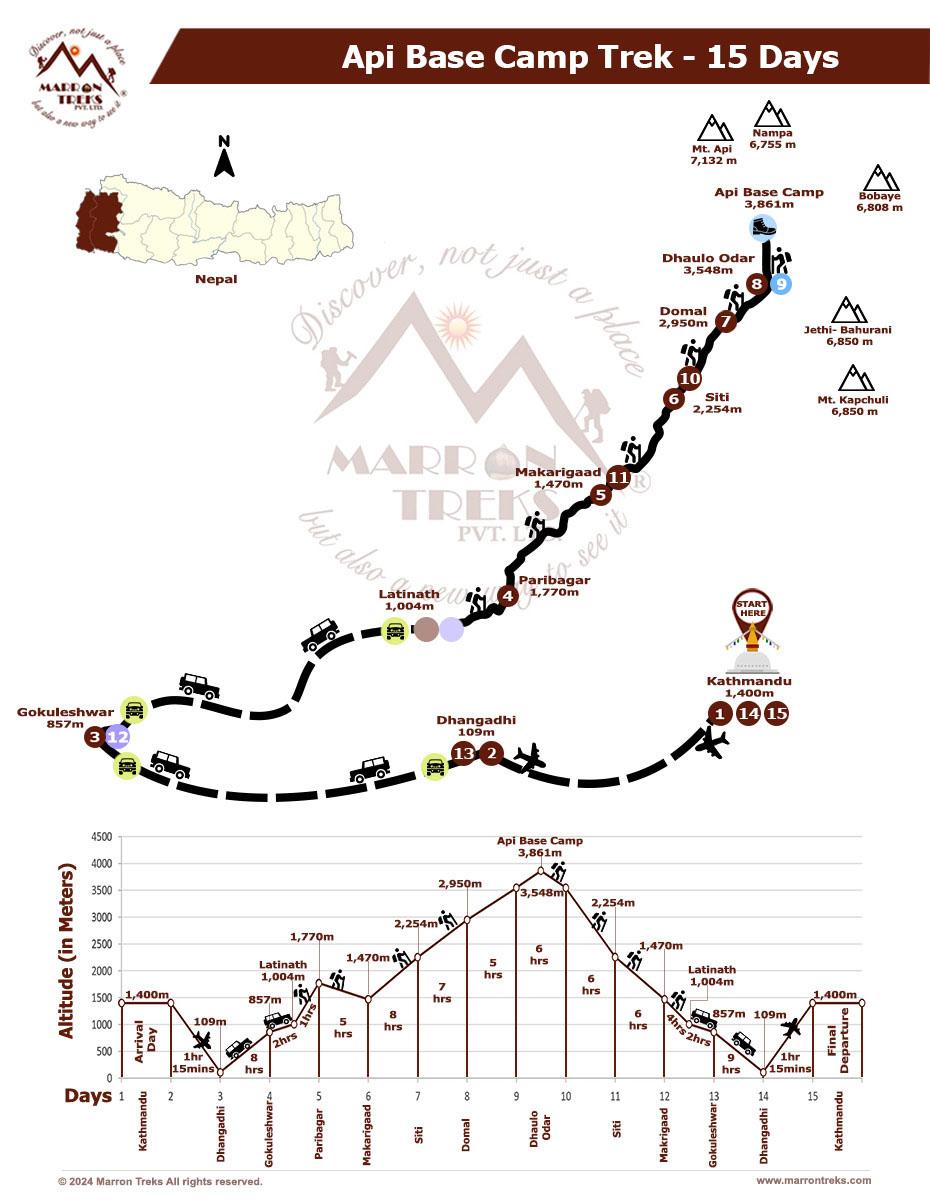
FAQ's
What is the location of the API Base Camp Trek?
The Api Base Camp Trek is in the Darchula District of Nepal, which is in far west of Nepal. The journey takes you to the base of Api Himal (7,132 m), the highest mountain in this area.
How long does the API Base Camp Trek last?
The trek normally lasts 15 days, which includes arrival and departure, traveling to the far western area of Nepal, trekking to the base of Api Himal with the acclimatization time, and then returning.
How hard is it to do the API Base Camp Trek?
Because of the lengthy days of trekking, inaccessible terrain, and lack of infrastructure, this is thought to be a hard camping trip. Trekkers don't need to know how to climb, but they should be in good shape and fully dedicated.
What is the highest point attained on the trek?
The journey goes up to about 3,861 m to Api Base Camp (Pilkandah). It's still vital to get used to the high altitude, even though this trek isn't as high as some others in the Himalayas.
Do I need to have gone trekking before?
It is not compulsory, but trekking experience will help you a lot.
What sets this trek apart from other treks in Nepal?
Api Base Camp is not a well-known route like Everest or Annapurna. It's an adventure that not many people take. You will discover beautiful landscapes, real village life, and isolated areas with very few other tourists. This makes it a great place for people who want to be alone and appreciate the raw beauty of the Himalayas.
How do we reach the starting point?
The trip starts with a flight from Kathmandu to Dhangadhi, then a lovely drive through Gokuleshwar and Latinath before the hike begins.
What kinds of places to stay are there on the trekking trail?
There are no lodges along the way, so you'll have to stay in well-equipped tented camps. A full support staff takes care of setting up the tents, making meals, and other logistics so you can focus on the hike.
What permits do I need to go on the API Base Camp Trek?
A permit for the Api Nampa Conservation Area is required for the Api Base Camp Trek. Before you leave, Marron Treks will arrange these permits for you.
What kinds of views will I see on the trek?
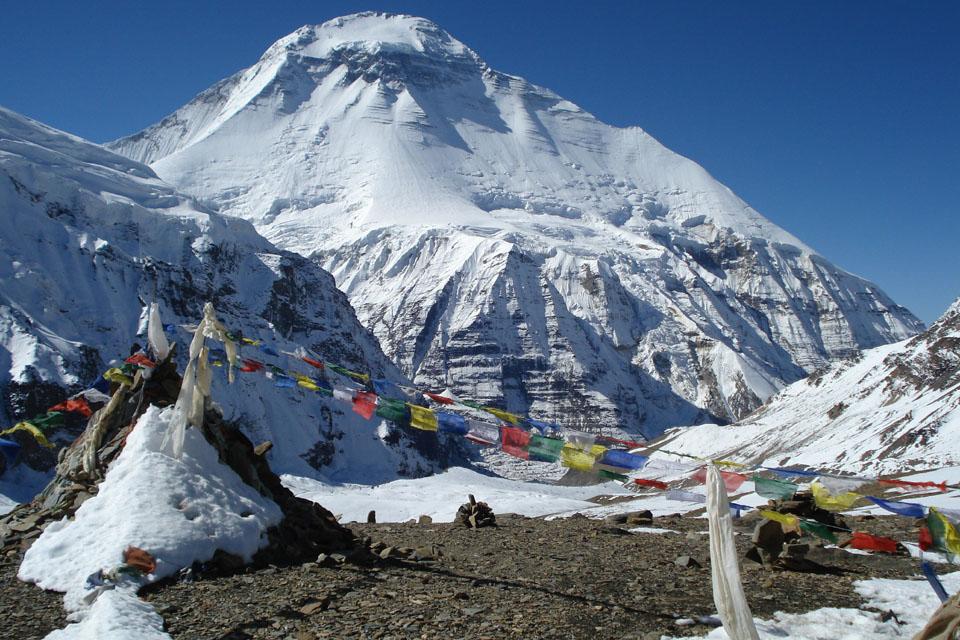
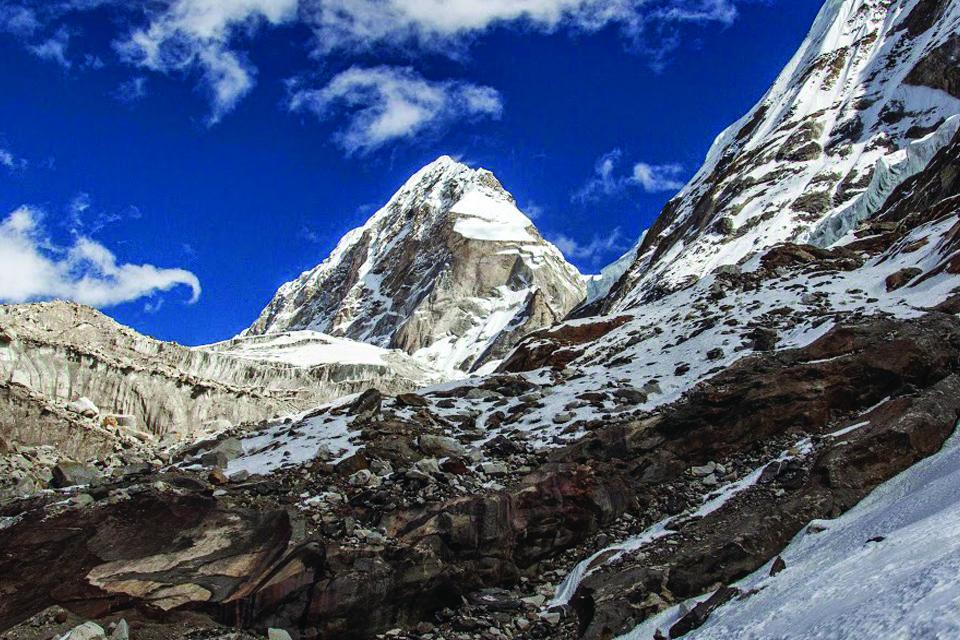
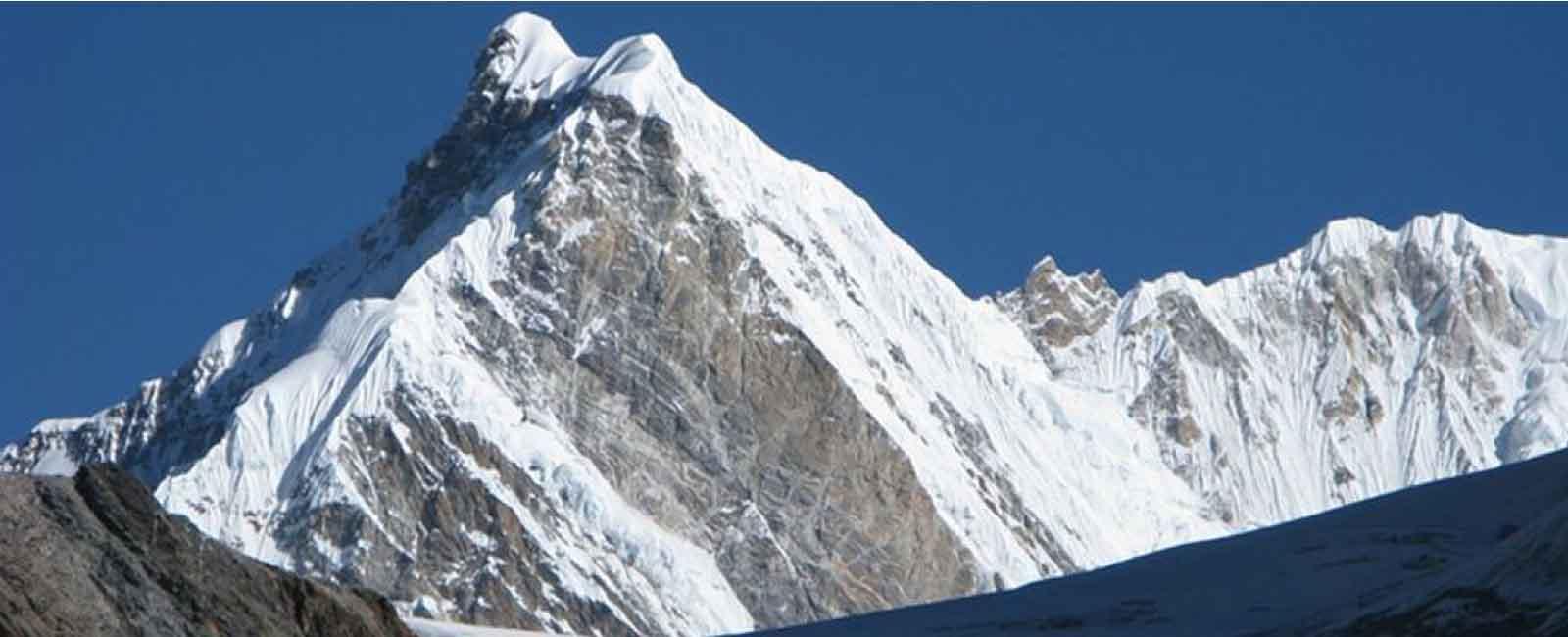
The walk goes through subtropical trees, alpine meadows, glacial valleys, and stunning mountain scenery. People who hike can get up close and personal with Api Himal and other nearby peaks, including Kapchuli, Nampa, and Bobaye Himal.
Is travel insurance necessary for this trip?
Yes, it is strongly recommended that you have comprehensive travel insurance that covers medical care and emergency evacuation, as the hike is in a remote area.
When is the greatest time to go on the API Base Camp Trek?
The finest times to visit are in the spring (March to May) and fall (September to November), when the weather is consistent, the skies are bright, and the vistas of the mountains are at their best.
Is it possible to get altitude sickness on this hike?
The risk is moderate, but it's not too bad. The route is made so that you can gradually climb higher. To make sure you acclimatize safely, you should drink enough of water, pace yourself, and listen to your guide's recommendations.
What kinds of food will be served during the trek?
The camping crew serves healthy, freshly made meals that emphasize high-energy items like rice, pasta, soups, veggies, and protein-rich dishes that are good for long days of trekking. You will be provided with breakfast, lunch, and dinner.
Are there ATMs on the API Base Camp Trek?
There are ATMs in Kathmandu and Dhangadhi, but once you leave Gokuleshwar and head into the distant trekking area, you won't find any. Before you start the trip, it's a good idea to bring enough Nepali cash to pay your own costs.
Is there Wi-Fi or a cell network on the trek?
You can get Wi-Fi and excellent mobile service in Kathmandu, and sometimes in Dhangadhi, but once you leave Gokuleshwar and head into the trekking area, connectivity is limited.
Can I charge my phone during the API Base Camp trek?
Hotels and lodges have electricity to charge your phone at a small fee. However, it will be difficult to charge your phone in the tents. We recommend you bring a power bank.
Is it possible to take hot showers on the API Base Camp Trek?
You might get hot showers in Kathmandu and Dhangadi. There are no showers on the journey, but the camping personnel can help you arrange warm bucket water if possible.
What important things should I pack?
To make sure you're ready for this distant camping trip, please look at the thorough trek equipment list and medicines list.
Are there porters and guides on the trek?
Yes, the Api Base Camp Trek includes expert trekking guides and porters. Guides guide the walk, make sure everyone is safe, and offer their expertise of the area. Porters carry your bags and help set up camps so you can enjoy the trek.
Should I tip guides and porters?
Yes, it is normal to tip in Nepal. It's not compulsory, but it's a nice gesture to thank your guides, porters, and other support workers for all the hard work they did during the trek.
Who would be best for this trek?
This journey is great for people who love adventure, photographers, and travelers who want to see one of Nepal's least-visited Himalayan areas that isn't on a commercial trekking route.
Equipment
What You MUST Pack Because Facilities Are Limited
Since facilities are basic, carrying the right equipment is important. You should bring:
- Sleeping bag (recommended for colder nights)
- Power bank
- Water purification tablets or filter
- Personal medicine and first aid items
- Warm clothing layers
- Headlamp
- Snacks and energy bars
- Toiletries and personal items
- Trekking poles
Trip Info
Why the Api Base Camp Trek Takes 15 Days
The trek requires around 15 days since it is located in a remote region. The trek area has limited transportation and other facilities, with the trail passing through isolated villages and rugged landscapes.
The duration is long since Api Base Camp route plan requires flying from Kathmandu to far-western Nepal, then taking a long drive to get to the trek start point. The drive is past rough mountain roads.
In this 15-day mountain trek Nepal altitude progression also needs to be taken into account and is another important factor. The itinerary is planned with slow elevation gain to reduce the risk of altitude sickness. This trekking altitude progression is essential in the 15-day itinerary.
The day-by-day trekking plan includes walking across forests, rivers, alpine meadows, and traditional mountain villages for several days to reach the Api Base Camp. The hiking distances are planned to balance safety, comfort, and enjoyment.
The Api region's weather can change quickly, affecting the travel time. The trail conditions also have an impact on the trek duration. There are some steep and challenging sections. To manage these conditions, the itinerary needs enough time.
The Himalayan trekking schedule for this trek must be planned carefully. The region has fewer roads and lodge facilities and limited infrastructure, which is why the trekking period is longer.
Considering all these factors, the Api Base Camp route plan is carefully designed with enough acclimatization, exploration, and a safe return journey to experience Nepal’s most untouched trek region and remote trek route Nepal.
Difficulty Level & Fitness Requirement
“How hard is Api Base Camp Trek?”
The Api trek difficulty level is a moderate to challenging trek. Those with good physical fitness and who can walk for several days in the mountains can do the trek. The mountain hiking challenge of this trek is its remoteness, making it more demanding.
The air is thin with less oxygen at an altitude of 4000 meters, where trekkers may be affected by slight altitude sickness, such as headache, tiredness, or shortness of breath. Walking slowly and drinking plenty of water is recommended in these situations.
The remote location is the biggest challenge of the Api trek. You need to trek across forests, rivers, rock paths, and steep hills. Some trails are rough and uneven, so trekkers should focus on careful walking.
Most of the time, you need to walk for 5 to 8 hours for several days, or even more. Trekkers should be prepared for longer days of walking, carrying a small daypack.
The weather in the mountains is unpredictable, with clear skies changing to rain, wind, or cold temperatures. Trekkers should pack proper clothing and rain gear.
The trek is not only physically challenging but mentally too. Trekkers should have patience and a positive attitude to overcome the trek's difficulties, like remote locations, limited facilities, and long days of walking. To make the journey more rewarding, stay motivated and enjoy the spectacular landscapes.
Nepal trekking fitness guide
Do cardio exercises like walking, jogging, cycling, or swimming 3 to 5 times a week, 1 or 2 months before the trek. You need to gradually increase your exercise time for stamina improvement. Regular hikes with a backpack, especially on uphill and downhill trails, if possible, are a physical preparation trek Nepal to prepare yourself for mountain terrain.
Simple exercises such as squats, lunges, step-ups, and planks strengthen your legs and core. You won’t feel tired with strong muscles. If possible, take a hike in the higher elevations to beat the high altitude trekking difficulty. For more information, read our guide on Trek Difficulty in Nepal.
Permits for Api Base Camp Trek
The permit for Api Base Camp is simple. The trek is in western Nepal, and at the Api Nampa
Conservation Area, so the required permits need to be obtained.
The Api Nampa Conservation Area is Nepal’s largest protected area, but not a restricted zone, so a restricted area permit Nepal isn’t required for this trek.
|
Permit |
Approximate Fee |
|
Api Nampa Conservation Area Permit |
NPR 2000 |
|
TIMS Card (if applicable) |
NPR 2000 |
|
Restricted Area Permit |
Not required |
These Himalayan conservation fees help to protect the fragile ecosystem of the conservation areas.
How to Obtain the Permits
The trekking permit process Nepal is as follows and is a simple process.
Step 1: Prepare Your Documents with a passport copy and passport-sized photographs.
Step 2: Submit the application at the conservation office at the Nepal Tourism Board at Bhirkutimandap, Kathmandu.
Step 3: Receive Your Permit
Trekking in the remote Api region, an experienced guide is highly recommended. For any Nepal trekking permits, hiring a guide is mandatory to issue the permit. If you are booking a trek with a travel agency like us, we shall handle all the permits, including the guide.
Road Conditions, Travel Delays & Guide Requirement
Besides, the trek is challenging in itself; the Api Himal travel difficulty is also getting to the trek's starting point. The roads and transport facilities are still developing in far-western Nepal.
Nepal mountain road conditions are such that some sections are paved, whereas many are rough and dusty. The roads get muddy and slippery during the monsoon. The only option is a four-wheel drive, giving travelers an off-road jeep trekking Nepal.
Traveling during monsoon (Jun to Aug), heavy rain brings landslides, flooded streams and damaged roads, resulting in remote travel delays Nepal. Due to these, spring and autumn are the best seasons.
In the remote areas in Nepal, travel delays are common due to landslides blocking roads, bad weather, and poor road conditions. It’s a common situation and travelers need to be patient and flexible. This is where buffer days of one or two extra days need to be planned.
An experienced guide will help in these situations and help in navigation, communicating with locals and handling unexpected situations. They are well informed of the local terrain, weather, and especially the Himalayan trekking logistics challenges.
In case of serious injury or illness, the nearest medical facilities can be very far or unlimited. In this situation, evacuation is required by land or, in an emergency, by helicopter rescue.
Accommodation, Food & Facilities
In remote accommodation Nepal, the facilities are limited compared to popular trek routes in Nepal. Trekkers should be ready for simple accommodation, camping treks if lodges are unavailable at certain areas, limited food choices and fewer facilities on the trail.
Tea houses are available in some villages and in the lower areas. The Himalayan lodge system here is basic and not developed like in the Everest or Annapurna tea-house trekking Nepal. In the remote sections, lodges aren’t available and the only option is camping.
Food available is basic and the common menu includes dal bhat (rice, lentils, and vegetables), noodles, soup, eggs and simple local dishes. Fresh food might not be available, besides the local produce, since supplies need to be carried from far away.
Local lodges provide boiled water. Carrying water purification tablets is recommended. Do not drink untreated water or directly from streams or rivers.
Many areas in Api have limited electricity. A charging facility can be available at some lodges at an extra cost. Carrying a power bank or solar charger is suggested.
The internet isn’t available and mobile data may work in the lower regions. Mobile signals can get flickery at higher points.
Is Api Base Camp Trek Worth It
Yes, the trek is definitely worth it for a quiet, off-the-beaten-path and remote adventure in the Himalayas. The trail takes you to beautiful forests, traditional villages, and mountain landscapes untouched by crowded trekkers.
You will explore local culture, peaceful trails and spectacular Himalayan views in this 15-day journey, giving you a remote trek experience Nepal compared to other busy trek routes.
If you are looking for a real Himalayan experience with an off-the-beaten-path trek, less crowded trails and authentic local culture, the trek is the perfect choice.