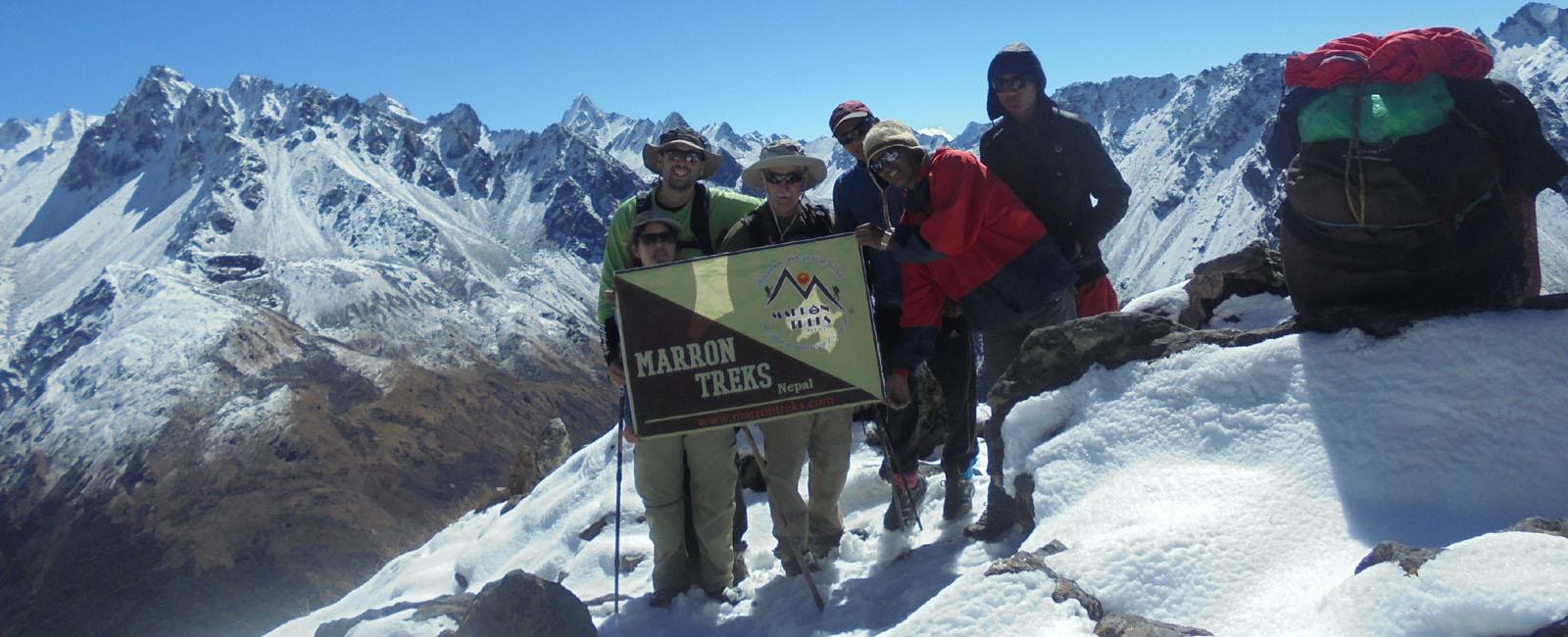
Kanchenjunga Circuit Trek
The Kanchenjunga Circuit Trek is a 21-day extreme-level Himalayan journey that forms a full loop through remote eastern Nepal, reaching Pang Pema (~5,143 m) and covering both North and South Base Camps across high passes, alpine valleys, and isolated mountain villages, offering one of the most challenging and complete trekking experiences in Nepal.
Essential Update
- Access Route: Taplejung is reached via a long road drive from Bhadrapur, and Kathmandu–Bhadrapur flights are the most reliable option.
- Trail Conditions: The route is remote with landslide risks in lower sections and heavy weather exposure in higher areas.
- Tea Houses: Basic accommodation is available in lower regions but very limited in high-altitude sections.
- Weather Risks: Snow, strong winds, and sudden storms are common above 4,000 meters even in peak seasons.
- Permits & Rules: A Restricted Area Permit and licensed guide are mandatory, with strict regulated trekking rules for 2026.
Trip at a Glance
-

Country: Nepal
-

Trip grade: Strenuous
-

Destination: Eastern Nepal
-

Activities: Lodge trek
-

Accommodation: Hotels/Lodges
-

Meals: Full-board on trek
-
.png)
Transportation: Private vehicle/Plane
-

Maximum altitude: Kanchenjunga North Base Camp (5,143m)
-

Group size: 2 travelers minumum
-
.png)
Best Season: Mar-May, Sep-Nov
The Kanchenjunga Circuit Trek is the ultimate "off-the-beaten-path" adventure in Nepal, circulating the world's third-highest peak, Mt. Kanchenjunga (8,586m) in far eastern Nepal.
The trek passes along remote villages, witnessing alpine scenery and often with views of Mount Kanchenjunga, and the journey itself is in true wilderness.
The Kanchenjunga circuit trek itinerary is one of the few treks that reward the trekkers with visits to both the North (Pangpema) and South (Oktang) base camps in a single circuit of an 8,000m giant family.
The trek takes you through the remote eastern borderlands of Nepal, India, and Tibet passing through authentic Limbu, Rai, and Sherpa villages that retain centuries-old traditions. The fragile ecosystem of Kanchenjunga is protected under the Kanchenjunga Conservation Area, which is a sanctuary for rare wildlife, including the red panda and the elusive snow leopard.
Kanchenjunga Circuit Trek Highlights
- Witness the world’s 3rd highest, Mt. Kanchenjunga (8,586m), up close
- Explore Pangpema (North) and Oktang (South) Base Camps
- Spot rare wildlife like red panda & snow leopard
- Hike through subtropical valleys to high alpine wilderness
- One of Nepal’s best wilderness trekking adventures
Itinerary
This 21-day journey on the Kanchenjunga Circuit Trek takes you from Kathmandu through remote mountain villages, high alpine valleys, and both North and South Base Camps for a complete adventure in eastern Nepal.
Upon arrival at the Tribhuwan International Airport in Kathmandu, you will then be received by a representative from Marron Treks and transferred to your hotel in Kathmandu.
Today is acquiring special permit for Kanchunjunga and the rest of the day is free to explore or shopping around for anything missing for the trek.
Early morning fly from Kathmandu to Bhadrapur. Upon arrival, drive to Taplejung passing through lush tea gardens, dense forests, and traditional Nepali villages with panoramic mountain views. Reach Taplejung by evening and check into your hotel.
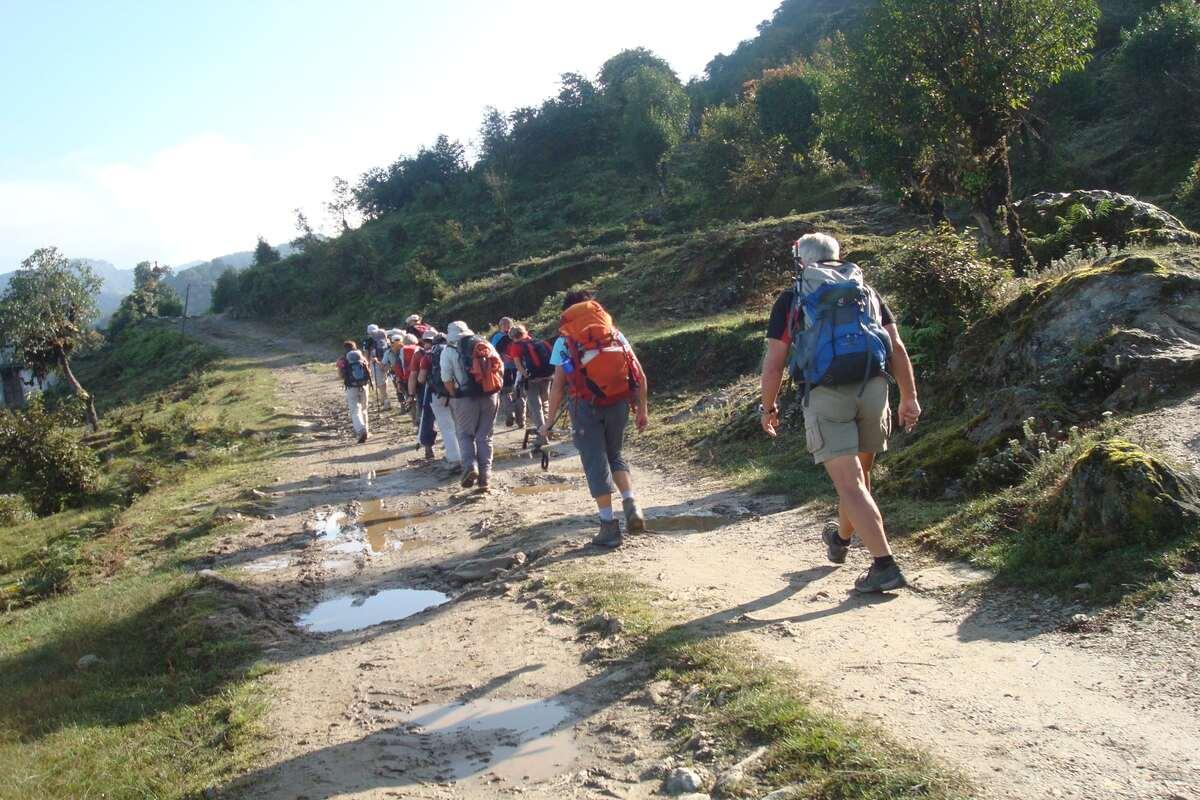
Trek starts from Taplejung where the trails descends to the Tamor River Valley and following Ghunsa Khola upstream. You will pass through subtropical forests, farmland, and rural Limbu and Rai villages. Entry into Kanchenjunga Conservation Area begins today. Sekathum is a small riverside village with basic teahouses facilities.
The day starts with a steepest ascents climbing through bamboo and rhododendron forests along Ghunsa Khola. The trail has suspension bridges and narrow cliff sections, making it physically demanding. Wildlife like langurs and Himalayan monals may be spotted. Amjilosa is a tiny village with basic teahouses and chilly evenings.
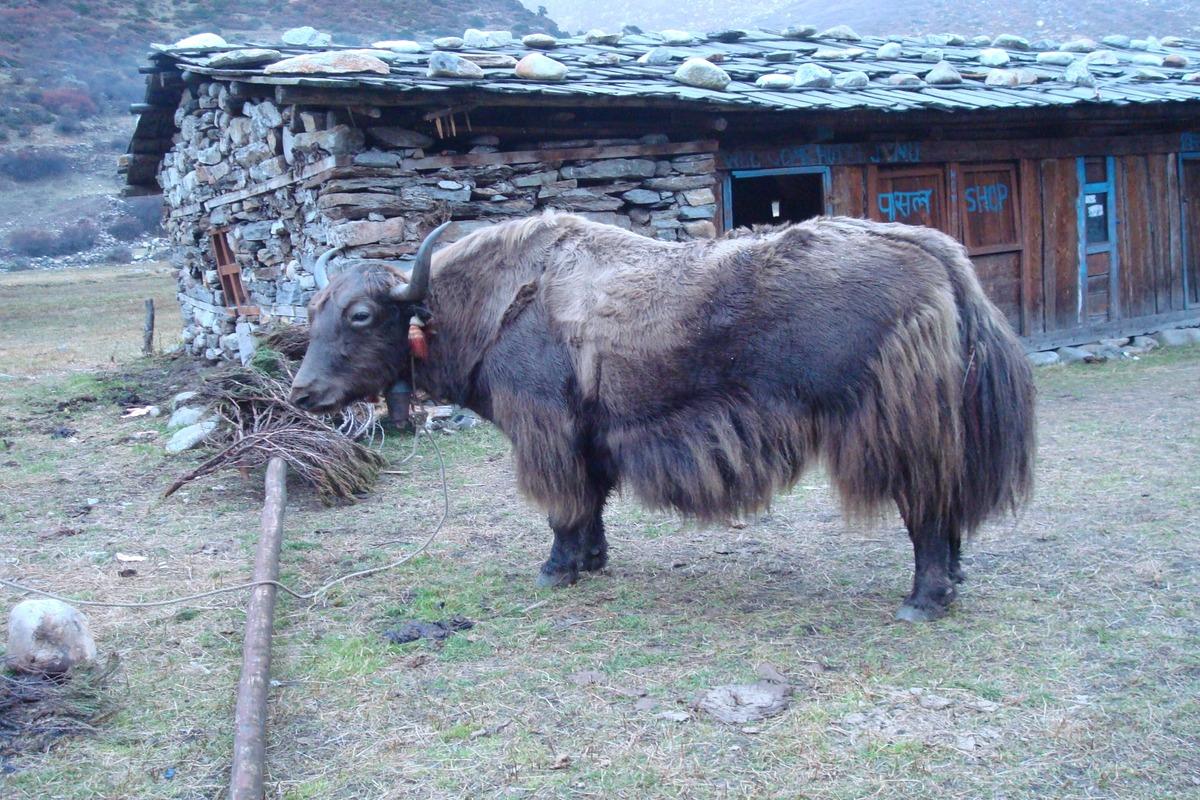
The trail passes through pine, bamboo, rhododendron, and oak forests. Villages turning into more of Tibetan style, and yaks, sheep, and goats may be seen along the trail. After lunch, cross a wooden bridge to reach Gyabla for an overnight stay.
The trek continues through forests and pass Phale Village, a former Tibetan refugee camp and now a winter settlement. Reach Ghunsa, the largest village in the area with a police station, health post, Kanchenjunga Conservation Office, and available telephone and internet services.
Today is to acclimatize to adjust with the higher altitude. Explore the local monastery and optionally climb a nearby ridge for panoramic views of Jannu Peak. A packed lunch is taken for the 5+ hour round trip.
As the trail gently ascends, views of Jannu Himal dominates to a green glacier valley, where blue sheep and snow leopards may be spotted. Continue past a waterfall and a landslide-prone area with careful footing to reach Kambachen.
Another day of acclimatization for the North Base Camp hike. Trekkers can climb a nearby ridge for stunning views of Kanchenjunga.
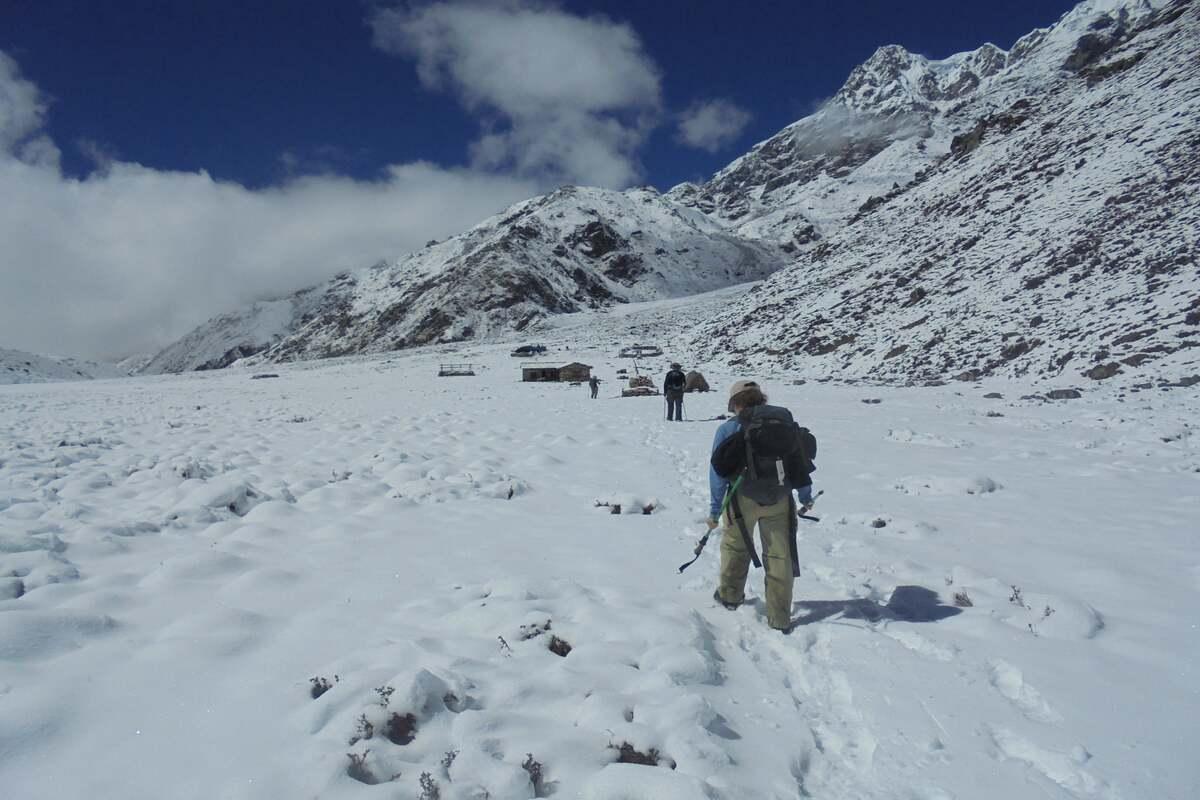
You will take the trail that follows moraine from the Kanchenjunga Glacier, ascending over large boulders with panoramic views. This area is deep in snow leopard territory and includes summer yak pastures, though there are no settlements along the route. Reach Lhonak for overnight stay.
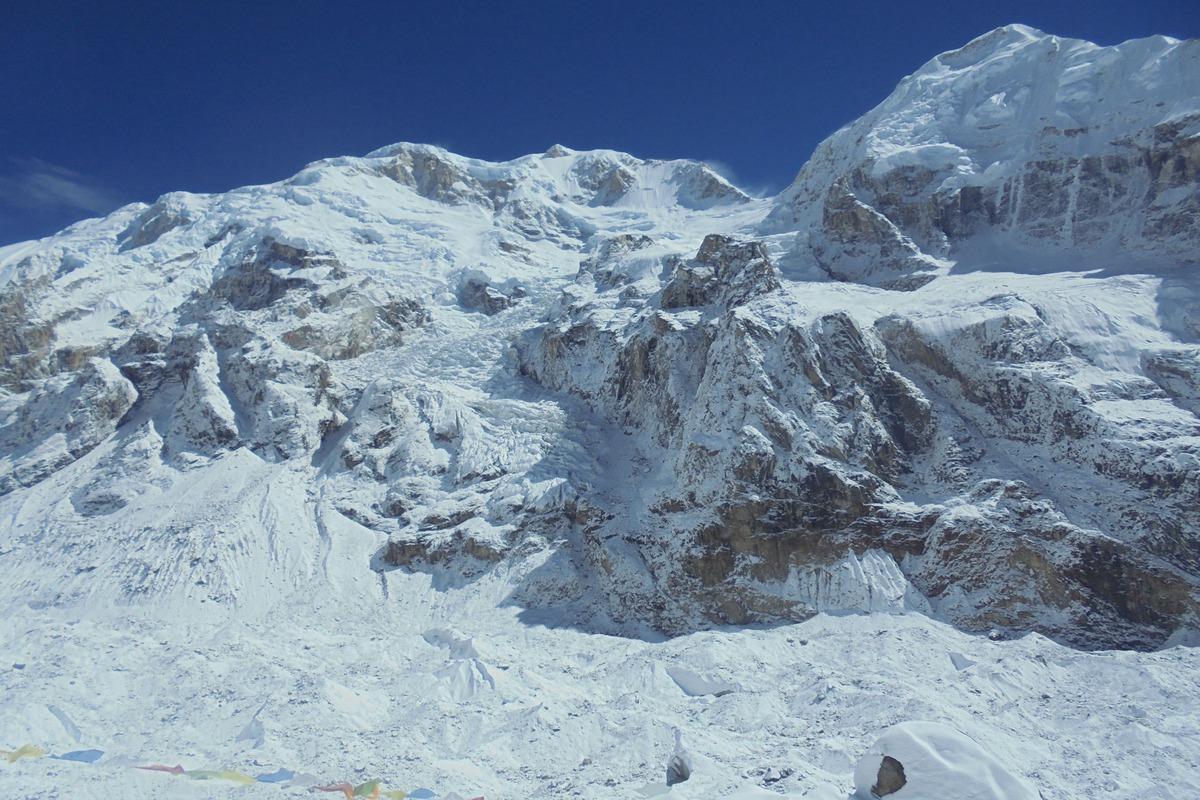
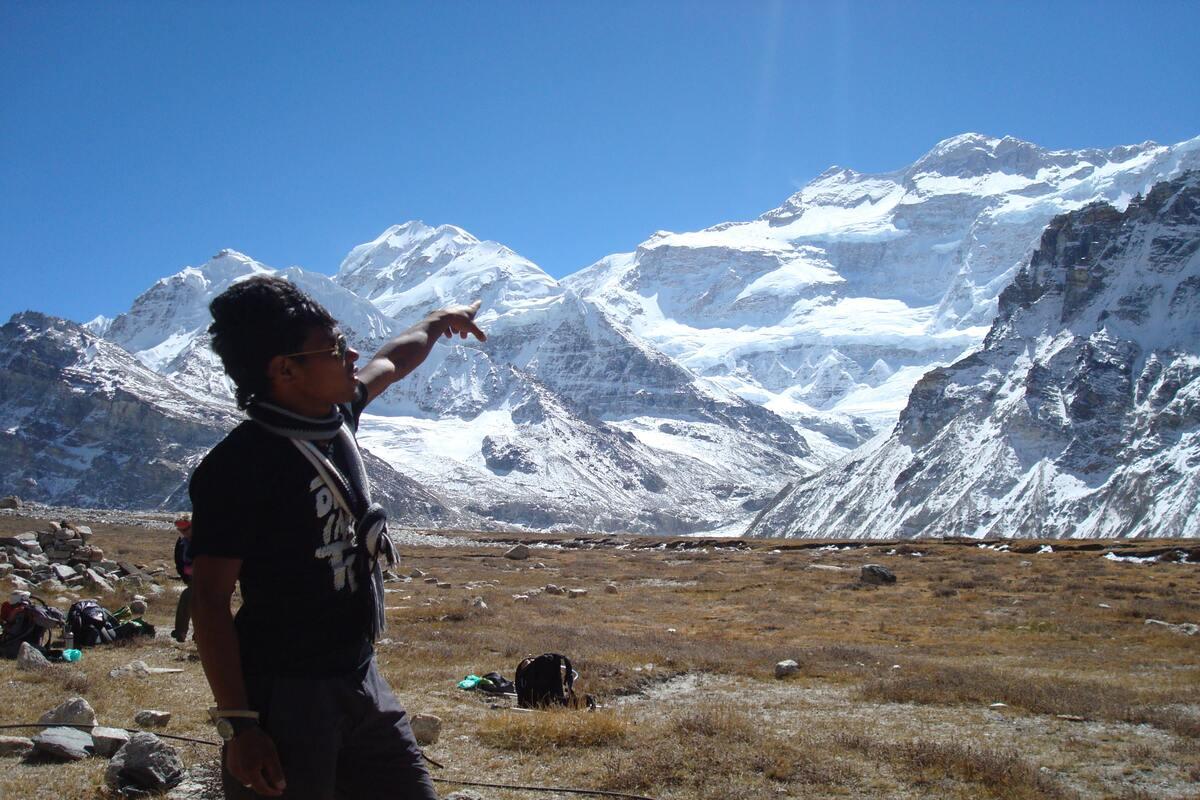
Today is hike to Kanchenjunga North Base Camp (Pangpema) which offers spectacular views of Kanchenjunga (8,586 m), Tent Peak, and Chang Himal. The route passes remote villages, dense forests, high-altitude meadows, and glacial moraines. There are no lodges at base camp, so it’s a day trip from Lhonak. The landscape is dramatic, with glaciers and ice walls, requiring good acclimatization and fitness. Return to Lhonak for overnight.
The trail descends to Ghunsa through stunning alpine terrain, passing Ramtang and Kambachen with views of Kanchenjunga’s north face. The rocky trail requires careful footing, and wildlife such as blue sheep or signs of snow leopards may be seen. As altitude drops nearly 1,600 m, the landscape softens into lush forest. Arrive in Ghunsa, a serene Sherpa village with wooden houses, prayer flags, and a monastery.
You will trek through forest and along a grassy ridge, with views of Ghunsa and Phale villages and distant Mt. Makalu.
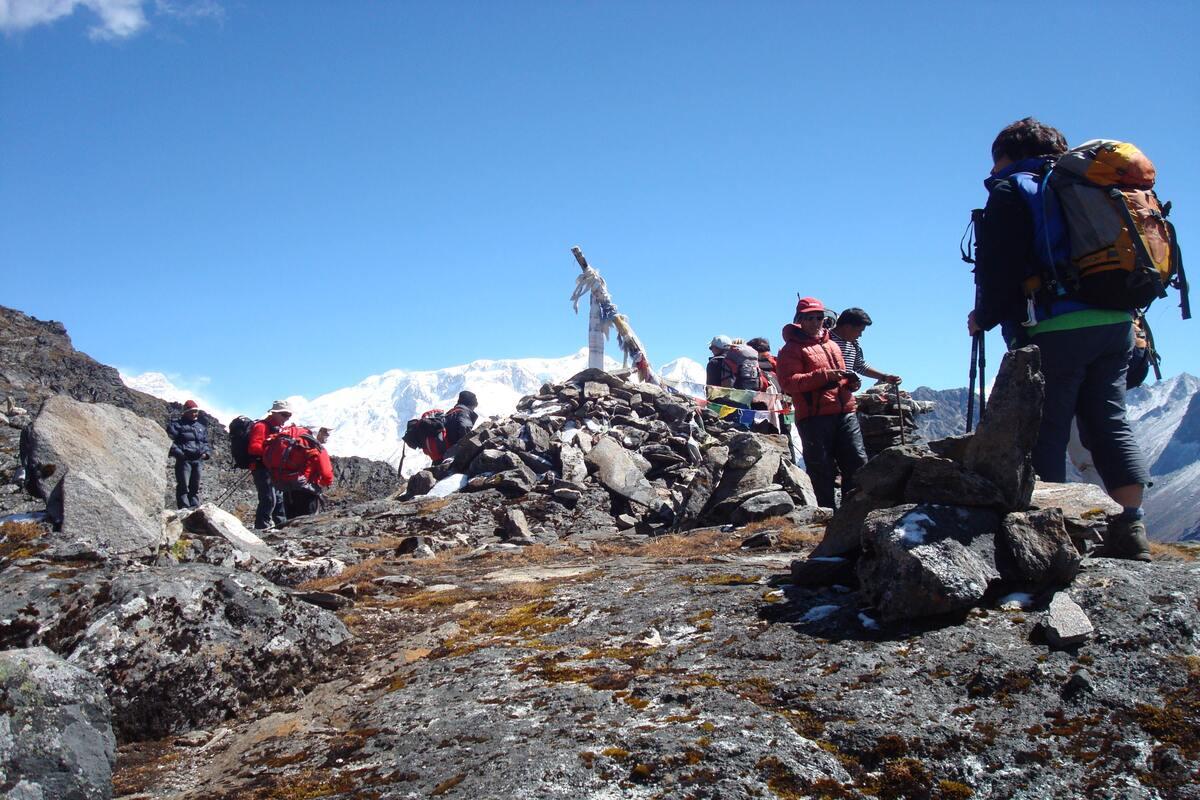
Today you need to start early towards Kanchenjunga South Base Camp, crossing Sinion La (4,450 m) and Sinelapche La (4,830 m) passes along a ridge. Enjoy spectacular views of Kanchenjunga and its valley before descending to Cheram, the only settlement on this route, for overnight stay.
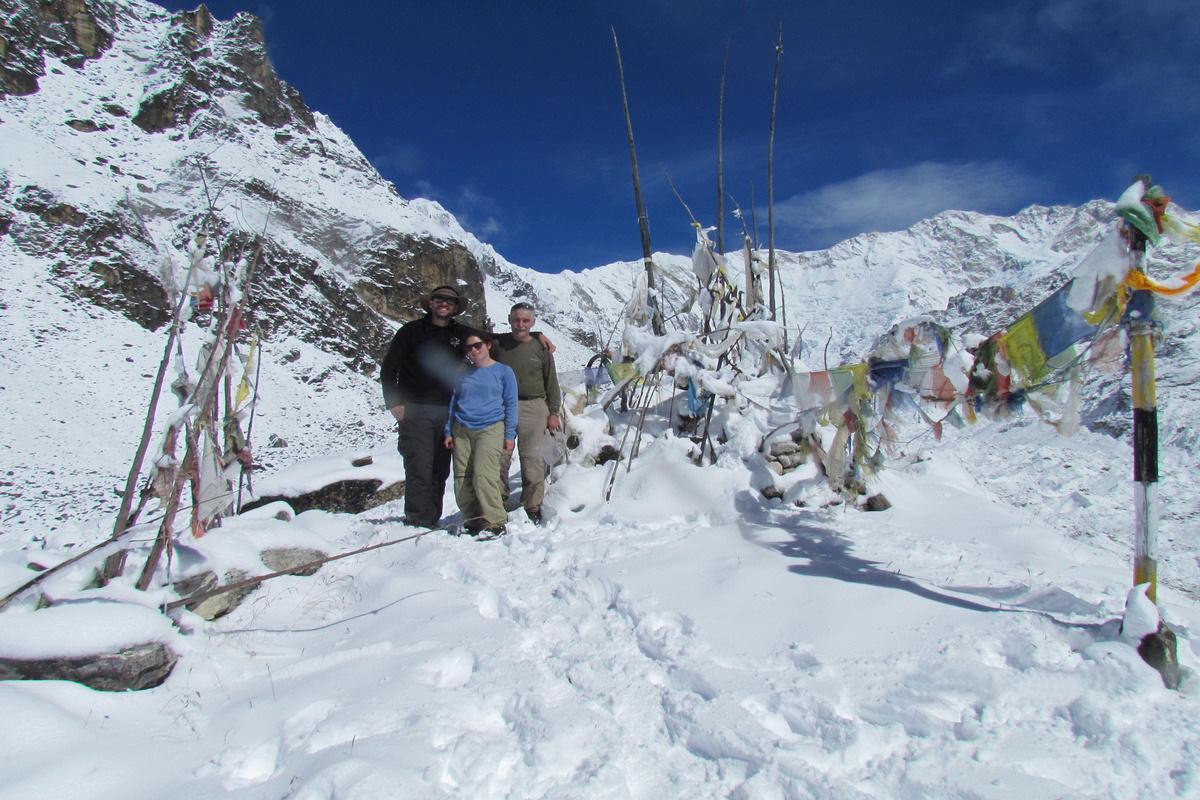
Trek to Ramche where you will have a lunch stop, then continue for about 40 minutes to Kanchenjunga South Base Camp, situated on the glacier edge and adorned with Tibetan prayer flags. Return along the same route to Cheram for overnight stay.
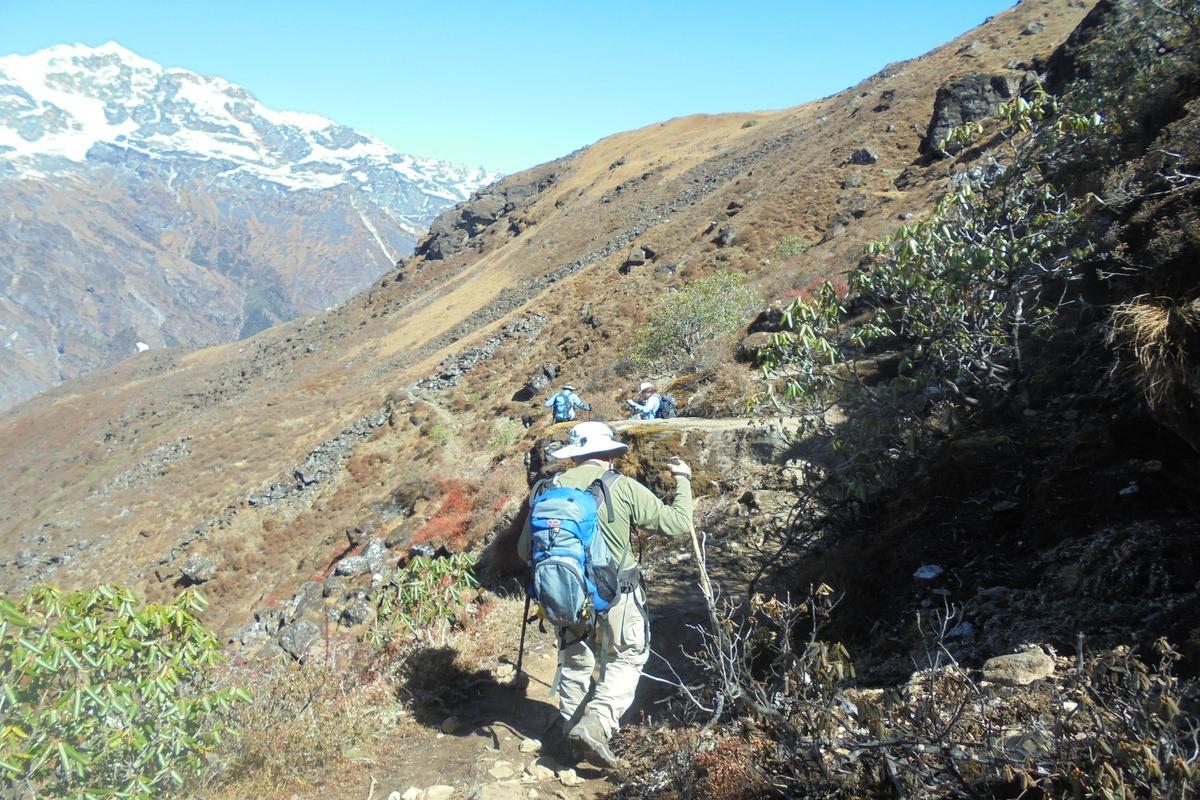
The trail descends steeply from alpine zones into temperate forest, retracing past Cheram and then west through dense rhododendron and pine. This section is within Kanchenjunga Conservation Area with possible wildlife sightings such as Himalayan monals, barking deer, or red pandas. The trail includes steep steps, slippery switchbacks, and occasional landslides; it’s a good time to use your trekking poles Torongding is a quiet settlement fewer lodges, minimal amenities, no internet.
Today is continuous downhill trek through lush, humid terrain with bamboo groves, cardamom plantations, and subtropical forests. Leeches are common after rain (leech socks or gaiters are recommended). Pass through Chhetri and Limbu settlements with traditional mud houses, terrace farming, solar panels, and livestock. Arrive in Rani Pul, a small roadside village with jeep access and basic eateries or guesthouses.
In the morning take a scenic drive to Ilam passing through scenic hills and tea gardens. Ilam is the tea capital of Nepal renowned for its rolling tea gardens, verdant hills, and cool, misty climate, you can taste finest orthodox tea with its aromatic leaves.
Drive to Bhadrapur and fly back to Kathmandu. Upon arrival check into your hotel. In the evening is Farewell dinner with cultural show.
The trip concludes and our office representatives will take you to the international airport in Kathmandu to catch your onward flight to your next destination or fly back home. You need to be at least 3 hours prior to your flight time at the airport.
What is included?
- Airport pick-up and drop services.
- Hotel accommodation in Kathmandu on Twin-Share Basis with breakfast.
- Kathmandu/Bhadrapur/Kathmandu airfares with guide.
- All trekking accommodation with Breakfast/Lunch/Dinner at local lodges on twin sharing.
- Experienced Government licensed English Speaking Guide & Porter (1 porter for two people) including their food, accommodation, salary & insurance.
- Marron Treks duffel bags.
- Transfer to trek-start & end-points by a private or local vehicle.
- A comprehensive medical kit ( will be carried by the trekking guide)
- Kanchenjunga special permits (RAP), Kanchenjunga conservation entry fee & Trekkers’ Information Management System Card.
- Farewell dinner with a live Nepalese cultural program.
- All government and local taxes.
What is not included?
- International airfare.
- Nepal entry visa fee – Visa can be obtained upon your arrival at the Tribhuwan International Airport in Kathmandu. (USD50 for 30 days)
- Lunch & dinner in Kathmandu.
- Personal travel insurance.
- Emergency rescue evacuation (to be covered by the client's travel insurance).
- Excess baggage charges (luggage allowance for domestic airlines in Nepal is 15 kgs.)
- Other expenses of a personal l nature (phone calls, laundry, battery recharge, bottle or boiled water, shower etc.)
- Cost incurred due to the addition of extra days or change in the itinerary due to bad weather, political turmoil or any other unforeseen contingencies.
- Bar bills, alcoholic drinks & beverages.
- Tips to guide & porters (Tipping is expected).
FAQ's
What is the Kanchenjunga Circuit Trek?
The Kanchenjunga Circuit Trek is a remote, off-the-beaten-path trek in far eastern Nepal that encircles Mt. Kanchenjunga (8,586m), the third-highest summit in the world. It offers a true wilderness experience with its breathtaking Himalayan scenery, interesting cross-cultural contacts, and fewer crowds.
Where is the location of Kanchenjunga?
Kanchenjunga is in eastern Nepal, close to the boarders of Tibet (China) and India (Sikkim).
How remote is the Kanchenjunga Circuit Trek?
The Kanchenjunga Circuit Trek is very remote. It is Nepal’s least crowded trek with fewer infrastructures.
What wildlife can I see on the Kanchenjunga Circuit trek?
You might see Himalayan black bears, red pandas, blue sheep, and diverse, unique bird species.
What is the duration of the Kanchenjunga Circuit Trek?
Including arrival, acclimatization, and return to Kathmandu, the Kanchenjunga Circuit Trek usually takes about 21 days.
Which season is best to travel for the Kanchenjunga Circuit Trek?
Spring (March to May) and Autumn (September to November) are the best seasons to travel the Kanchenjunga Circuit Trek. Spring gives pleasant temperatures and vibrant rhododendron woods, while autumn offers clear skies, consistent weather, and crisp mountain views of Mt. Kanchenjunga.
What is the temperature in this trek during Spring and Autumn?
The daytime temperatures typically range from 10 to 25°C in the spring and fall, with nighttime lows of -5°C to -15°C at higher altitudes.
What is the highest point on the Kanchenjunga Circuit Trek?
At 5143 meters, Kanchenjunga North Base Camp is the highest point of the Kanchenjunga Circuit Trek.
Is the Kanchenjunga Circuit Trek challenging?
Yes, the Kanchenjunga Circuit Trek is regarded as a challenging trek, best suited for experienced trekkers with good physical fitness.
Is trekking experience required for the Kanchenjunga Circuit Trek?
Yes. Marron Trek highly recommends having some prior trekking experience above 4000 meters due to the trek’s remoteness and altitude.
Are there any age restrictions for the Kanchenjunga Circuit Trek?
There are no age restrictions for this trek. A person with excellent fitness and some previous trekking experience can complete this trek, no matter the age.
How many people are required for this trek?
At least 2 trekkers are compulsory due to the restricted area permit.
Can I get altitude sickness in the Kanchenjunga Circuit Trek?
Yes, there is a high chance that you can get altitude sickness, so Marron Treks has included proper acclimatization days with licensed and experienced guides.
What permits are the permits required for the Kanchenjunga Circuit Trek?
Kanchenjunga Restricted Area Permit and Kanchenjunga Conservation Area Permit(KCAP) are the permits required for the Kanchenjunga Circuit Trek. Marron Treks will arrange these permits, so you don’t need to worry.
Do I need a guide for the Kanchenjunga Circuit Trek?
Yes, as this is a restricted area, trekking is only allowed with a licensed guide and a registered trekking company like Marron Treks.
What kind of accommodation is offered?
Marron Treks provide accommodation in local teahouses and lodges, where facilities are basic, but with no doubt, you will be comfortable.
What kind of food is offered?
In addition to a small amount of western cuisine, the local teahouses and lodges primarily provide regional Nepali dishes such as dal bhat tarkari, noodles, soups, potatos, pastas etc. You can also bring your comfort foods and snacks from your home country as per your preferences.
Is there electricity, Wi Fi, and hot showers available?
Yes, you can get access to these, but the teahouses might charge you an extra amount. Marron Treks recommends that you carry a power bank and extra batteries for ease.
Is there ATM service available during the Kanchenjunga Circuit Trek?
No ATMs are available during the trek, so you must carry enough Nepalese Rupees before starting the trek.
Is travel insurance required for the Kanchenjunga Circuit Trek?
Yes, travel insurance is mandatory for the trek. Make sure that the travel insurance covers high- altitude trekking, medical needs, trip cancellations, and helicopter emergency evacuations.
What are the essential items that I must pack for the Kanchenjunga Circuit Trek?
For this trek, you should pack a down jacket, sturdy trekking boots, warm layers, a personal medical kit, sunscreen, sunglasses, etc. Marron Treks also provides a detailed Trek Equipment List and Medicines List for your ease. Click Here
How is the Kanchenjunga Circuit Trek different from the Annapurna Circuit Trek?
Kanchenjunga Circuit Trek offers a more rugged, off-the-beaten-path experience as it is far more isolated, with fewer trekkers and unexplored towns. While Annapurna Circuit Trek is more well-known due to its established lodges, busy trails, and diverse landscapes. While Annapurna is ideal for trekkers seeking ease and variety, Kanchenjunga appeals to those seeking isolation and genuine Himalayan adventure.
Can we customize this trek?
Yes, you can customize your trek with Marron Treks with customized itineraries, pace adjustments, and private departures.
Why should I choose Marron Treks for the Kanchenjunga Circuit Trek?
For a safe and genuine Himalayan experience, you should choose Marron Treks for the Kanchenjunga Circuit Trek because of the knowledgeable local guides, strict safety regulations, moral behavior, in-depth familiarity with remote Nepal, and the personalized attention.
Trip Info
Accommodation
While you are in Kathmandu, we opt to accommodate you in 4- or 5-star hotels like Hotel Royal Singhi (4-star), Hotel Manaslu (4-star), Radisson (5-star), Yak & Yeti (5-star), or similar. During the trek, you will be accommodated in a local mountain lodge, better known as Tea House. These lodges and teahouses provide good services and are equipped with basic amenities. We will endeavor to provide you with the best accommodation available along the route so that you get a good night’s rest in a hygienic milieu.
Meals
We never compromise the quality of food or the health of the trekkers as well as the crew members. Generally, we opt for the fresh and nutritional local community food available. You could make your delicious pick from an array of traditional foods like sweet potatoes, buckwheat barley, etc. This way, you could not only get a real sense of the local culture and life patterns but also contribute to promoting the locally available resources of organic food and beverages. But due to the remoteness of the trek, the menu won't be extensive as in the cities.
Acclimatization
Altitude sickness is a serious risk while trekking in the Himalayas. It's important to acclimatize properly by spending a few days at lower altitudes before heading higher. By spending time at lower altitudes before pushing higher, your body has time to adjust. Our trekking packages have enough acclimatization days planned where you'll be spending a day or two at lower altitudes, allowing your body to adjust to the increasing altitude.
Electricity & drinking water
For an additional cost, you can use the electricity in all tea houses and lodges to recharge your batteries. The lodges have packaged mineral water for sale, or you can fill your bottle with boiling water. To make water drinkable, you can use water purification tablets too. But, due to hygienic issues, you should avoid drinking water from taps, rivers, or wells in trekking areas.
Communication
At lodges, restaurants, and hotels, Wi-Fi is available at lower elevations. However, at high elevations, phone calls are the only means of connection. Our office in Kathmandu is in constant communication with your trek guide. In Kathmandu, you can purchase a local SIM card for communication purposes. At high elevations, the mobile signal might not be as strong, though.
Luggage
Our porters are paired with one trekker for every two hikers, and one porter can safely carry 30 kg maximum weight. Therefore, we advise you to fill your duffle bag not more than 15 kg of your belongings. You may carry a small backpack with your valuables and informational documents. The things you are not taking along on the trek can be stored in a hotel in Kathmandu free of charge.
Typical Trek Day
Mostly your trek day starts with breakfast at 7-8 am, followed by a 3-4 hour morning trek. Lunch break is around an hour, then you continue trekking to your destination for the day. After reaching the teahouse lodge, you can relax, explore nearby areas, and enjoy dinner at 6-7 pm. Evenings involve socializing, a trek briefing, and leisure activities before bed.
Travel Insurance
It is advised that you arrange your travel insurance before leaving your homeland. The main thing is to make sure that your insurance covers you for both medical and evacuation costs. Having travel insurance with you makes your trip secure and hassle-free.
Our Guides
Guides play a significant role during the trek. They are the ones who decipher the trekking codes for you so that you can connect with nature, culture, and people along the way. We have helpful and dedicated trekking guides who are very well-versed in the culture, life patterns, and every single detail about the trek region you are traveling in. Thus, in the company of our professional Sherpa guides, your trek becomes not only entertaining but also equally informative.
Porter and Staff Care
Regarding high-altitude trekking, porters and staff members make up a pivot. Marron Treks ensures that all the porters and staff members going to high altitudes are provided with adequate clothing and equipment. All our field staff are covered by insurance.
Money
Nepal uses the Nepalese Rupee (NPR or Rs) as its official currency. Commonly used bank notes are Rs. 5, Rs.10, Rs. 20, Rs. 50, Rs. 100, Rs. 500 and Rs. 1000. At authorized money exchange counters, particularly in popular tourist locations like Thamel in Kathmandu and Lakeside in Pokhara, as well as at certain hotels, you can convert foreign currencies. It's possible that hotel exchange rates are lower than those at currency counters. Exchange rates can range significantly between providers, so compare them. The current rates are often shown at licensed counters.
ATMs are widely available in major cities like Kathmandu and Pokhara. Withdrawal restrictions at Nepali ATMs are typically set at NPR 25,000 to NPR 35,000 per transaction. You might need to make multiple withdrawals for larger amounts, incurring fees with each transaction.
Genral payments like shopping, restaurant bill etc should be made in cash since only big establishments or shops in major cities like Kathmandu and Pokhara accept credit and debit cards and cash is still the most widely used form of payment, especially in rural areas, for smaller businesses, and on trekking routes.
Major credit cards like Visa, Mastercard, and American Express are accepted in many mid-range to premium hotels, restaurants, shopping malls, and tourist-oriented shops inside tourist areas like Thamel in Kathmandu or Pokhara. Kindly note all of these establishments will charge an additional fee (around 2-4%) for credit card transactions. So, payment method in general is either cash or credit-card, since credit-card transactions will incur extra fees, so exchanging your currency into Nepali rupees for your payments is suggested.
Reviews
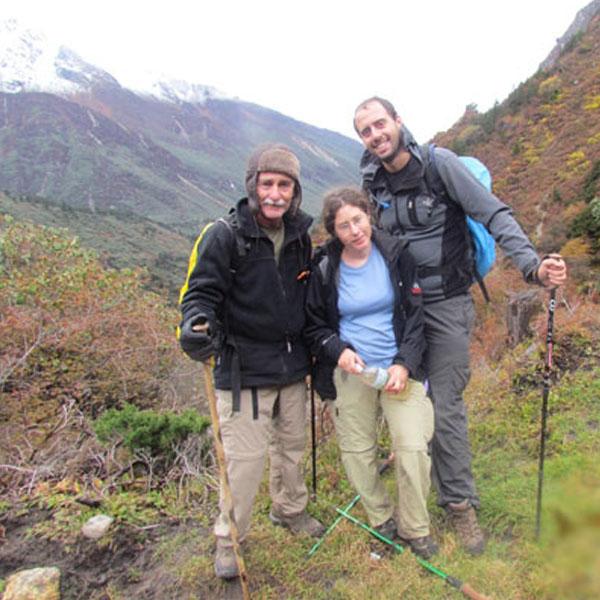
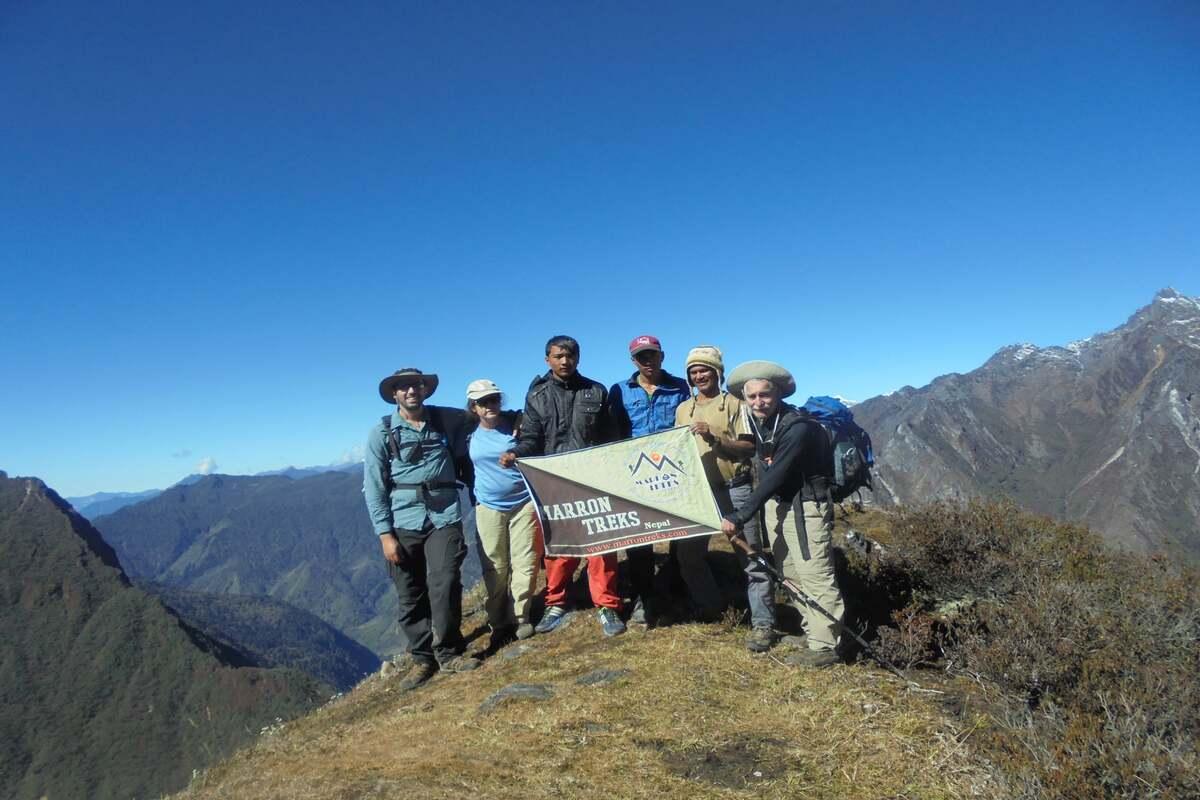
We went with Marron Treks on the Kanchenjunga Trek on october 2014. We chose them because of the good deal they offered and got much more in return. They helped custom the trek according to the limited time we had. All of the time we didnt have to worry about a thing, they took care of all of the logistics and left us to enjoy the trip. The team that accompanied us were very kind and tolerant to our needs. We truly recommend to go with marron treks!
Noam Eshet, Pro. Meir Nyska & Gil Nyska
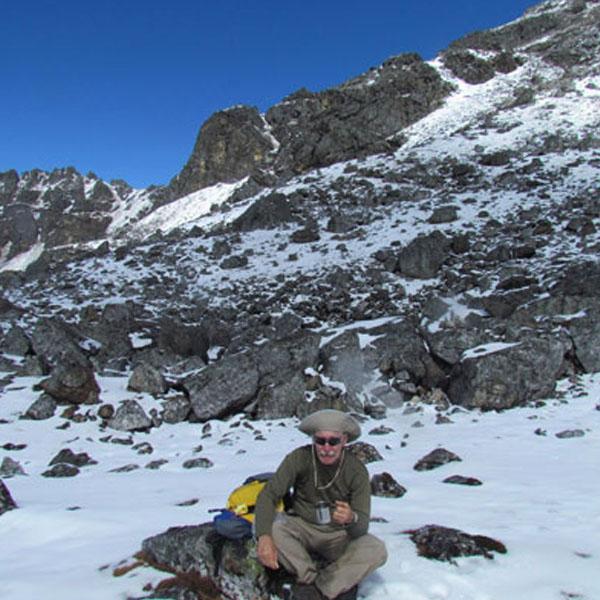
Dear Shikhar
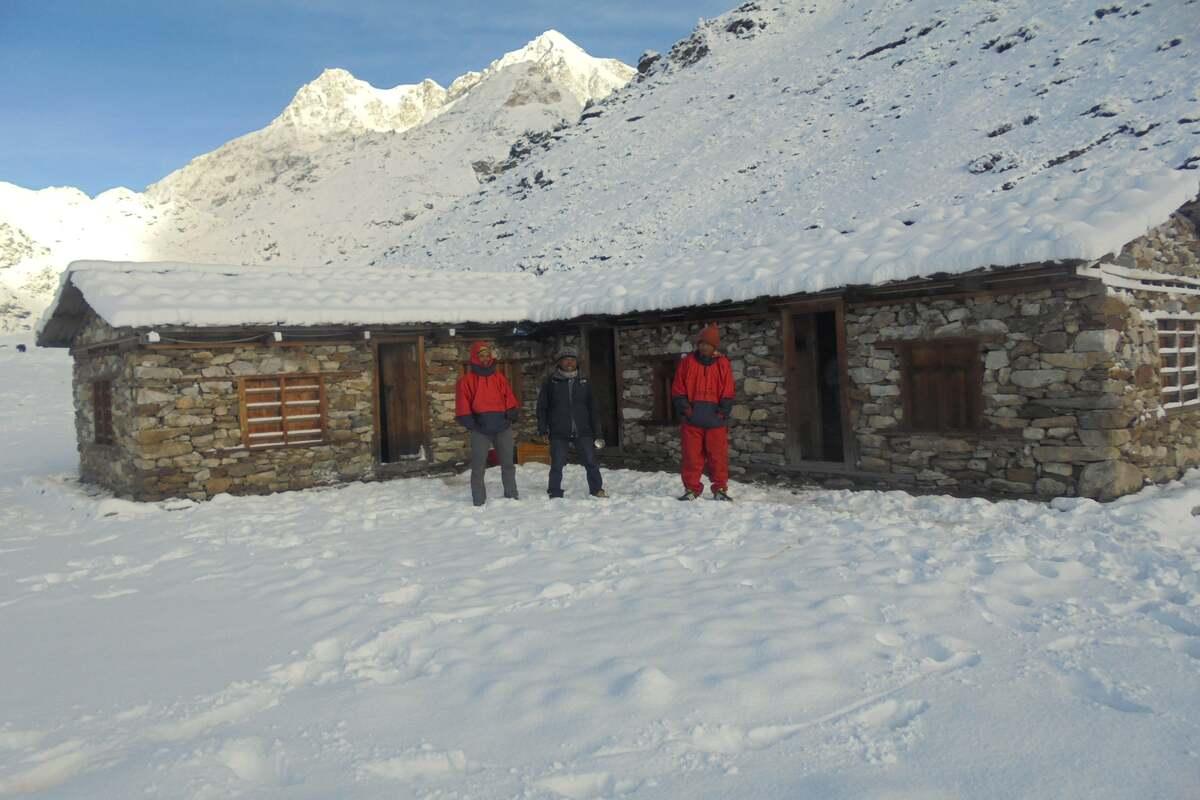
First I want to thank you for the Kanchenjunga Trek. The trek was quite difficult mainly going up and down. But it was very well planned as for the slow acclimatization to the heights. The landscape all over the trek was exceptionally beautiful- during the first days a lot of waterfalls and forests followed by going up one of the days 1700 m and at the end of the day sleeping in tents The tents were of high quality as were the sleeping bags and enabled us to survive the snow storm at height of 4580 at Ramche. The guide was very helpful and the porters were part of the team.