Annapurna Base Camp trek
The Annapurna Base Camp (ABC) trek is one of Nepal’s most popular trekking routes, taking about 7–12 days to complete. It offers stunning views of Annapurna I and Machhapuchhre, along with beautiful landscapes and Gurung culture. The trek is suitable for beginners with good fitness and follows well-marked trails and stone steps. Costs depend on guides, permits (ACAP and TIMS), and travel style.
Essential Update
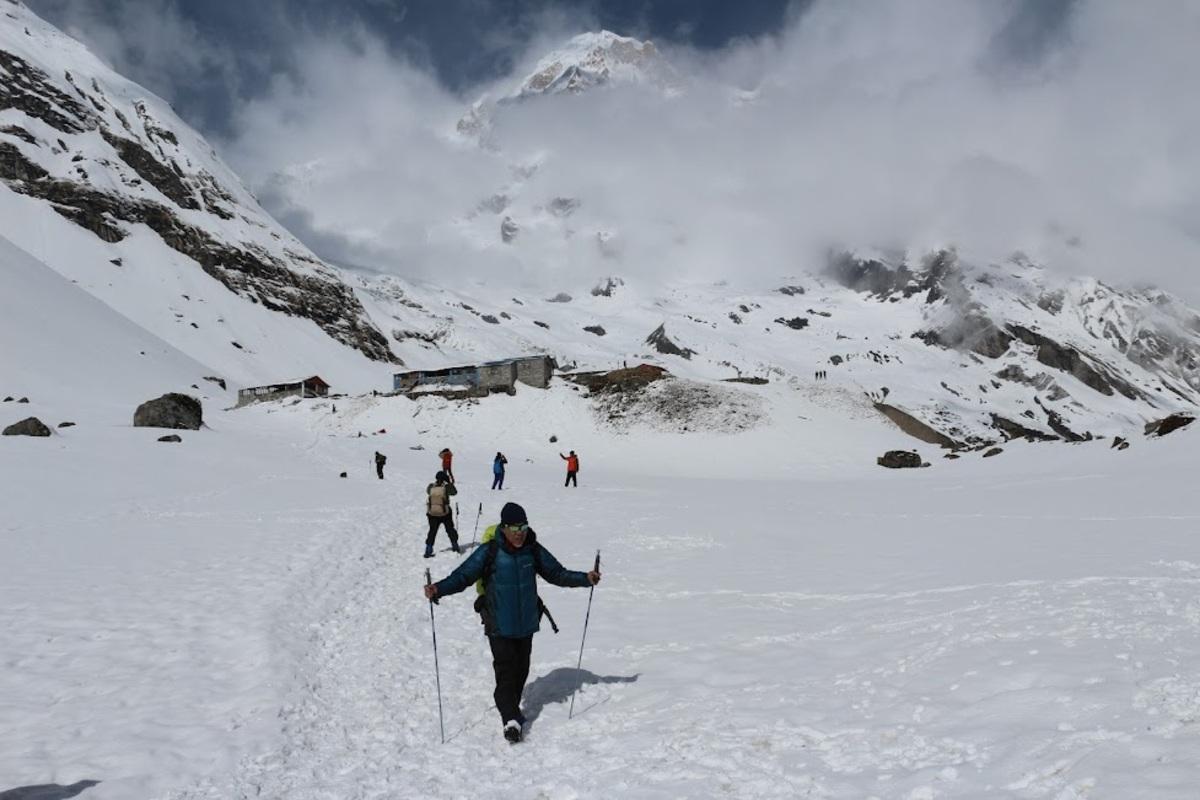
- As of April 2026, the Annapurna region is in peak spring season with beautiful scenery and busy trekking trails.
- Trail maintenance has improved, especially stone steps near Chhomrong and suspension bridges toward Bamboo.
- Weather is stable with sunny days (10°C–20°C in lower areas) and cold nights around -5°C at higher altitude.
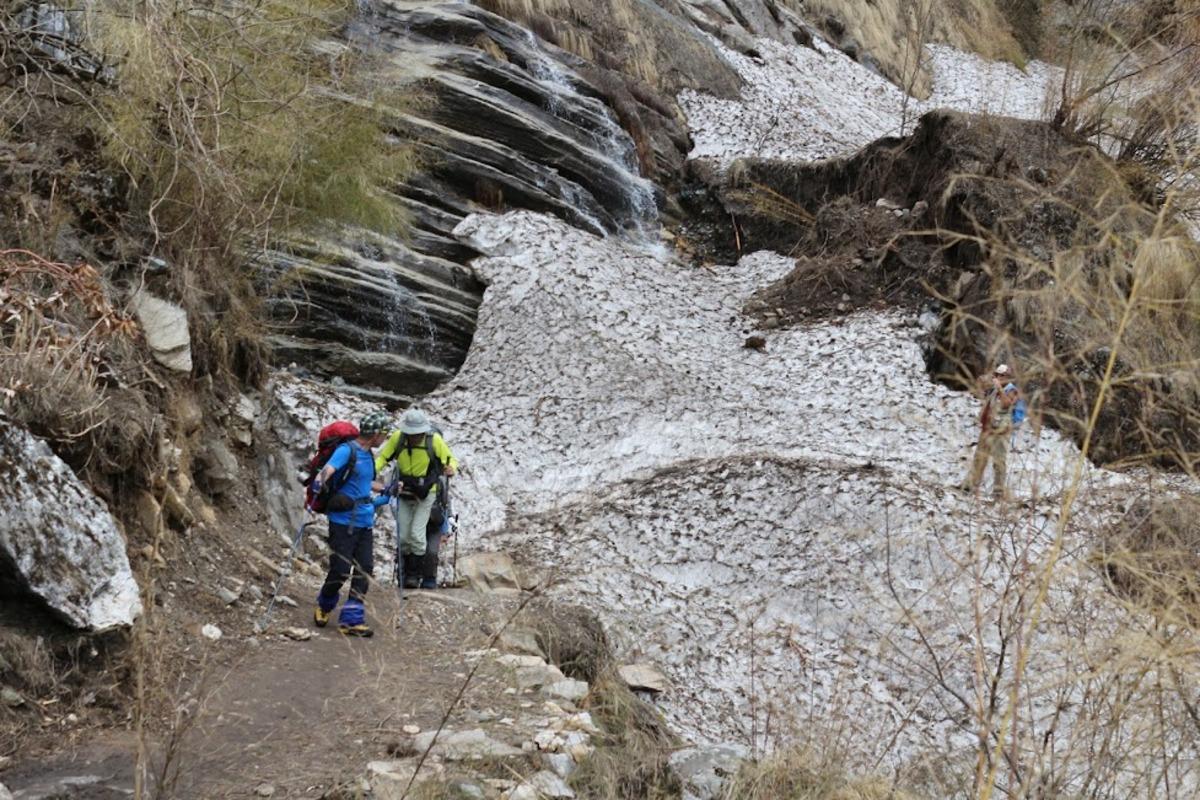
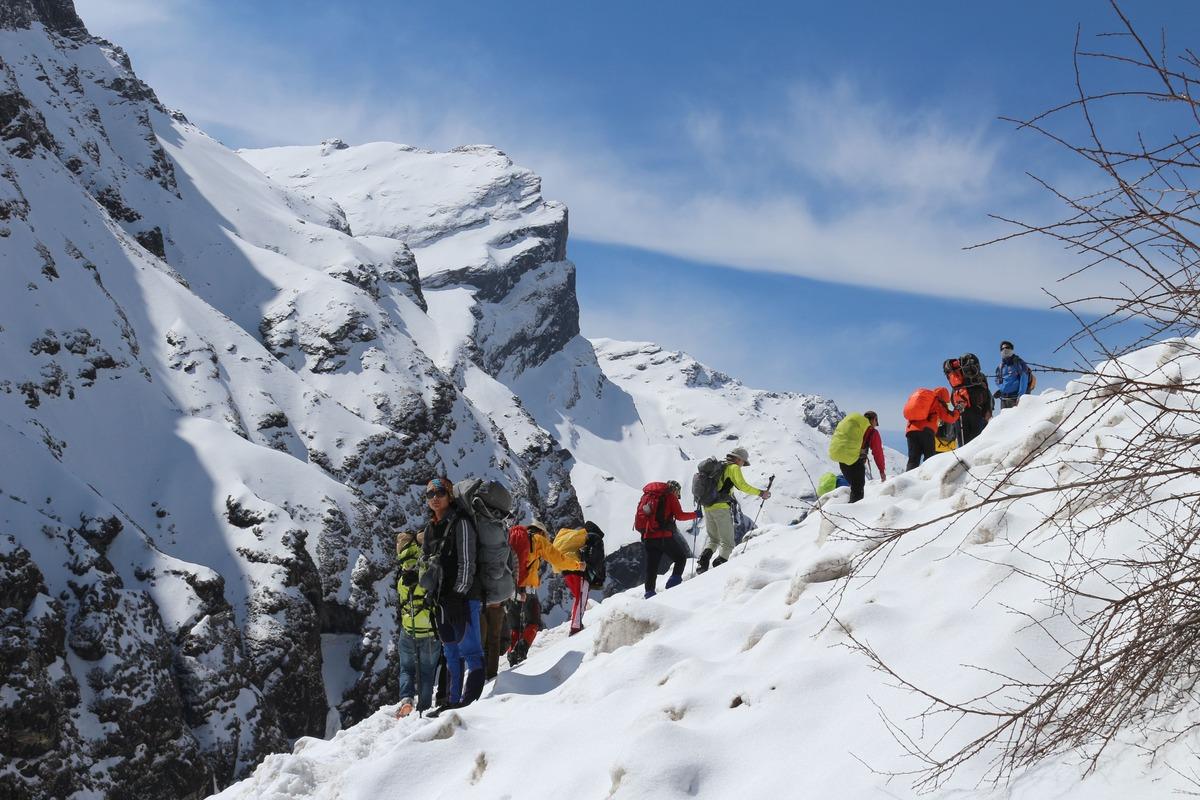
- Most snow has melted below 4,000m, leaving dry, firm trails with blooming rhododendron forests.
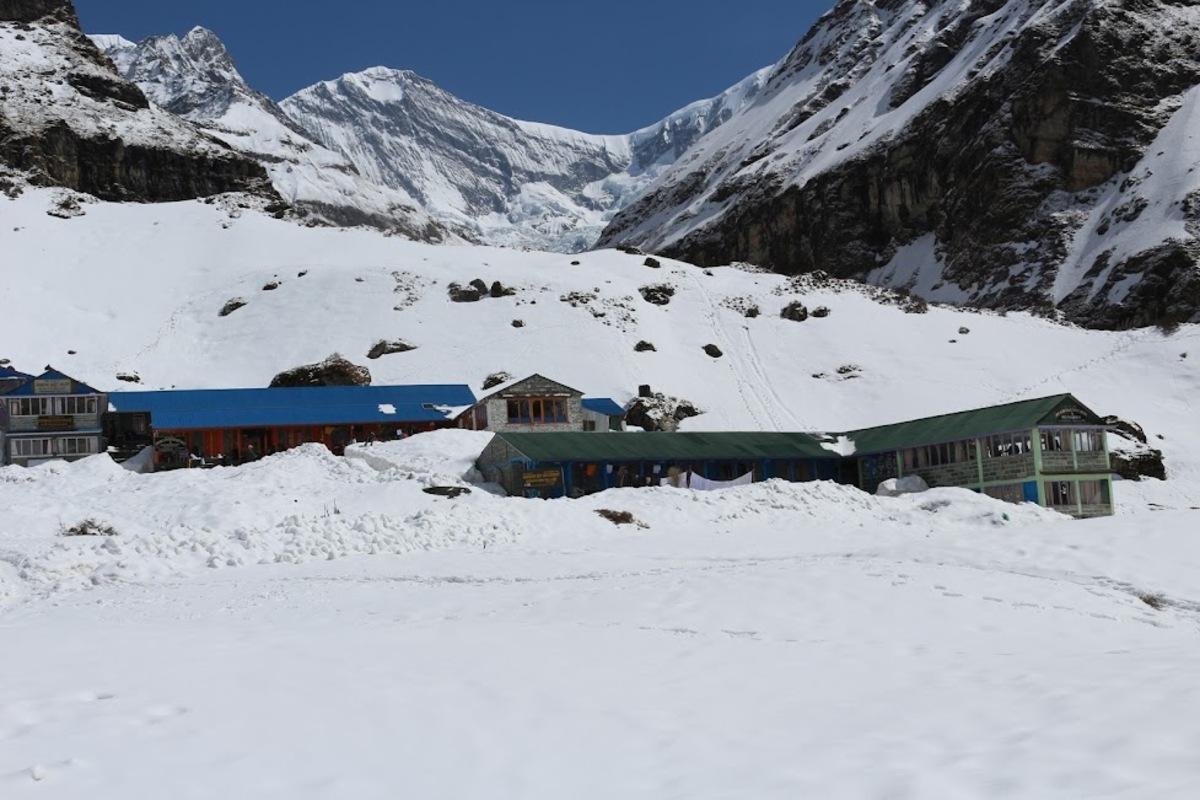
- Teahouses are fully open but very crowded, so early arrival or booking is recommended.
- Road access to Jhinu Danda and Ghandruk is clear, with some dusty sections due to ongoing improvements.
Trip at a Glance
-

Country: Nepal
-

Trip grade: Moderate
-

Destination: Annapurna region
-

Activities: Trekking
-

Accommodation: Hotels/Lodges
-

Meals: Full-board on trek
-
.png)
Transportation: Private vehicle or Local Bus
-

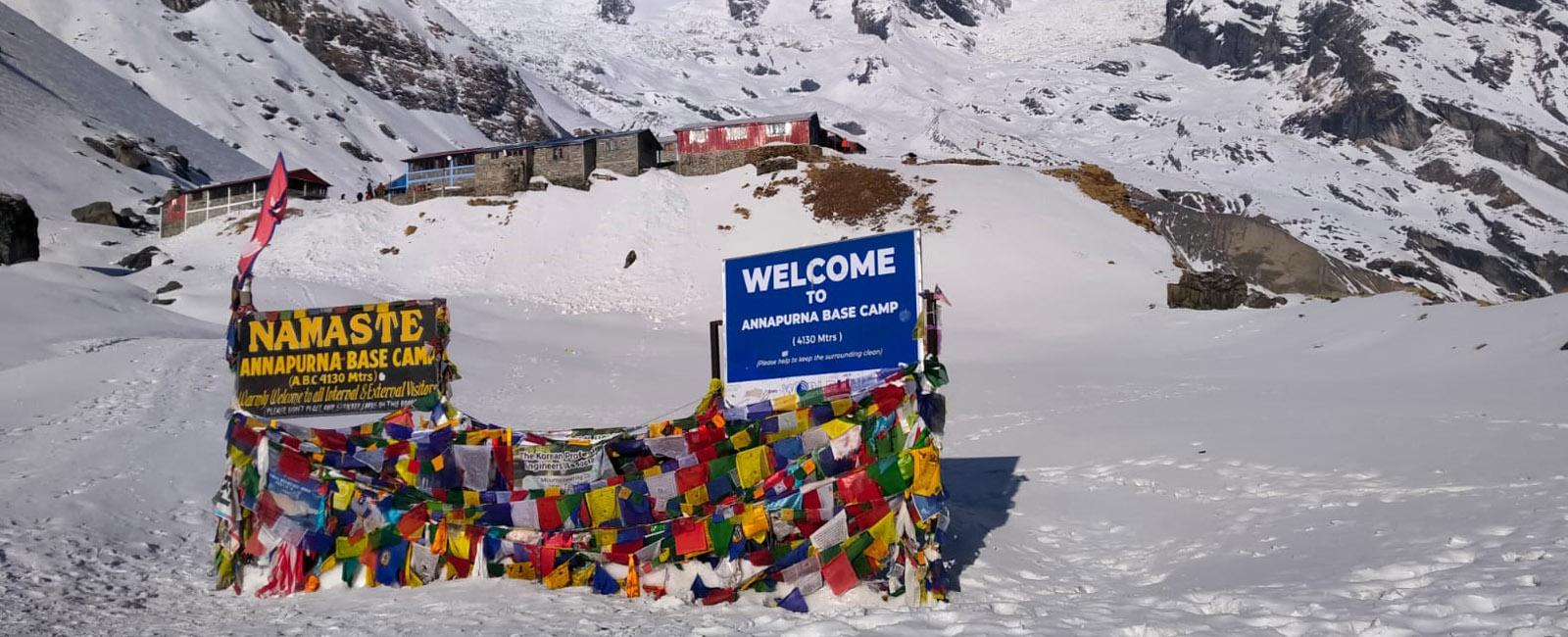
Maximum altitude: Annapurna Base Camp (4,130 m)
-
Trip Start / End: Kathmandu - Kathmandu
-
.png)
Best Season: Mar-May, Sep-Nov
Annapurna Base Camp Trek Overview
The Annapurna Base Camp Trek is a beautiful trekking experience in the popular Annapurna trekking region in Nepal. The final goal of the trek is to reach Annapurna Base Camp, passing through lush forests, small mountain villages, and stunning landscapes. The view from the base camp is something to remember for a long time.
The trek to the base camp is inside the Annapurna sanctuary Nepal. To reach the final destination of the trek, Annapurna Base Camp at 4130 meters, the Annapurna Base Camp route map follows the trail passing through traditional villages, terraced farmlands, and high-altitude landscapes.
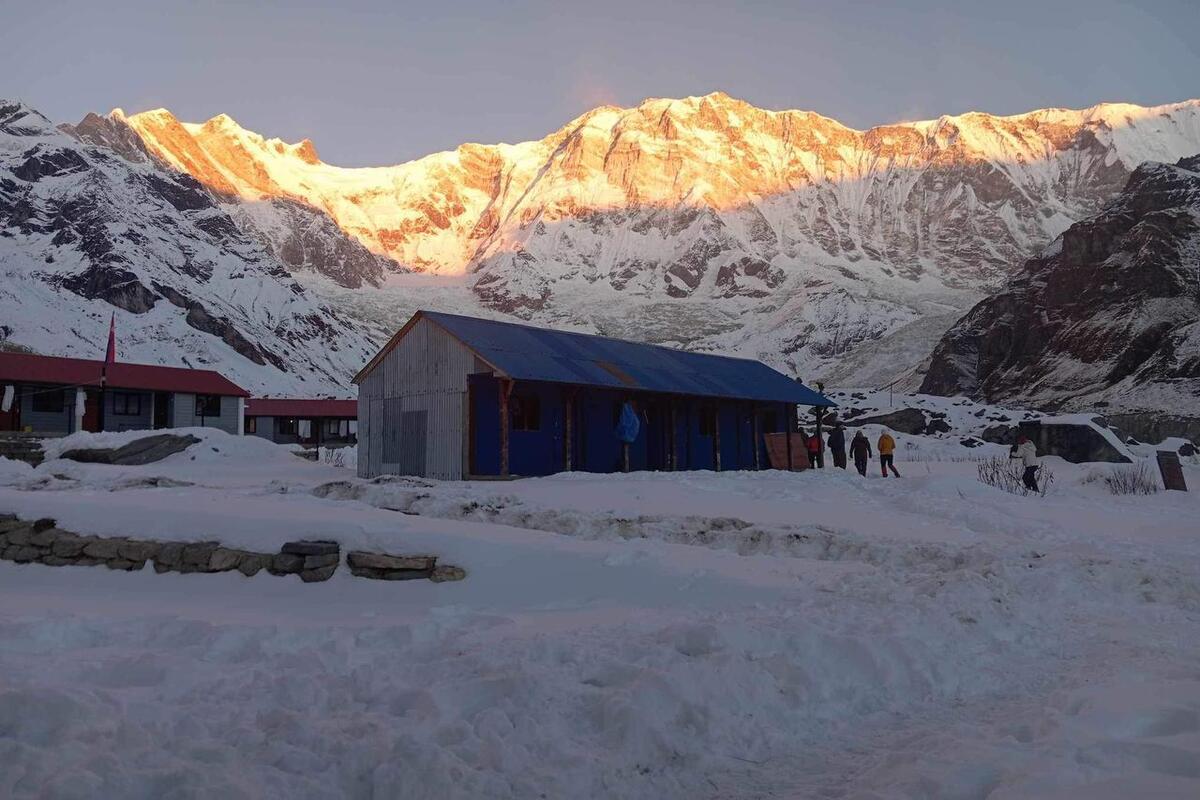
The Annapurna Base Camp provides a full mountain base camp experience with a 360-degree mountain panorama all around. A majestic view of snow-capped peaks like Annapurna I, Machhapuchhre, and Hiunchuli can be observed en route to the base camp. The trek is a popular trekking route Annapurna region and a complete Himalayan experience. Trek to Annapurna Base Camp is one of the most popular Himalayan trekking destination Nepal, suiting every trekker from beginners to experienced.
The ABC trek route Nepal starts from Pokhara with a short drive to Nayapul. The trek begins from Nayapul, passing through green forests and terraced fields to Ghandruk. The beautiful Ghandruk Village is popular for the spectacular view of Mt. Annapurna South and its stone houses.
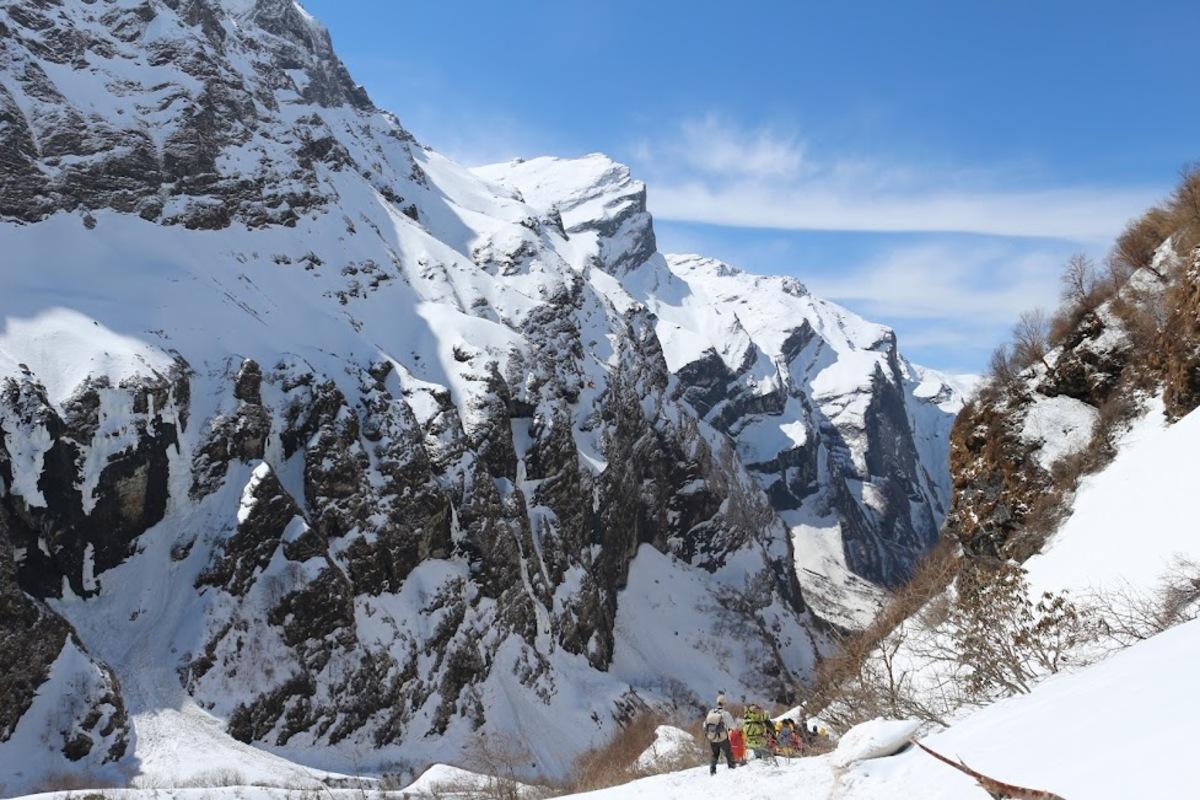
The next day, the trekking path Ghandruk to ABC proceeds to Chhomrong, another beautiful village on the hillside. Leaving Chhomrong, the trail goes through dense rhododendron and bamboo forests, opening to a high alpine valley. As you cross Deurali, the landscape changes from forests to rocky cliffs where the Modi Khola River flows down the gorge.
Eventually, the ascent to the Annapurna Base Camp begins, where the towering peaks dominate the skyline. Arriving at the Annapurna Base Camp is an awesome experience, observing the 360-degree Himalayan view. After the base camp, the Annapurna sanctuary trail map follows Bamboo, Jhinu Danda, and back to Nayapul, then drives to Pokhara. Hot springs at Jhinu Danda are a perfect way to relax after a tiring Himalayan journey. Please check the Himalayan trekking route overviews in Nepal for further information and details.
Trek Highlights
- Reach Annapurna Base Camp (4,130 m) and stand among some of the highest peaks in the Himalayas.
- Enjoy spectacular views of Annapurna I, Machapuchare, Hiunchuli, and Annapurna South.
- Trek through lush rhododendron forests, bamboo groves, waterfalls, and traditional mountain villages.
- Experience the unique Annapurna Sanctuary, a natural amphitheater surrounded by snow-covered peaks.
- Relax in the natural hot springs at Jhinu Danda after days of trekking.
- Discover local Gurung culture, warm teahouse hospitality, and diverse Himalayan landscapes in one journey.
Annapurna Base Camp Trek short Itinerary
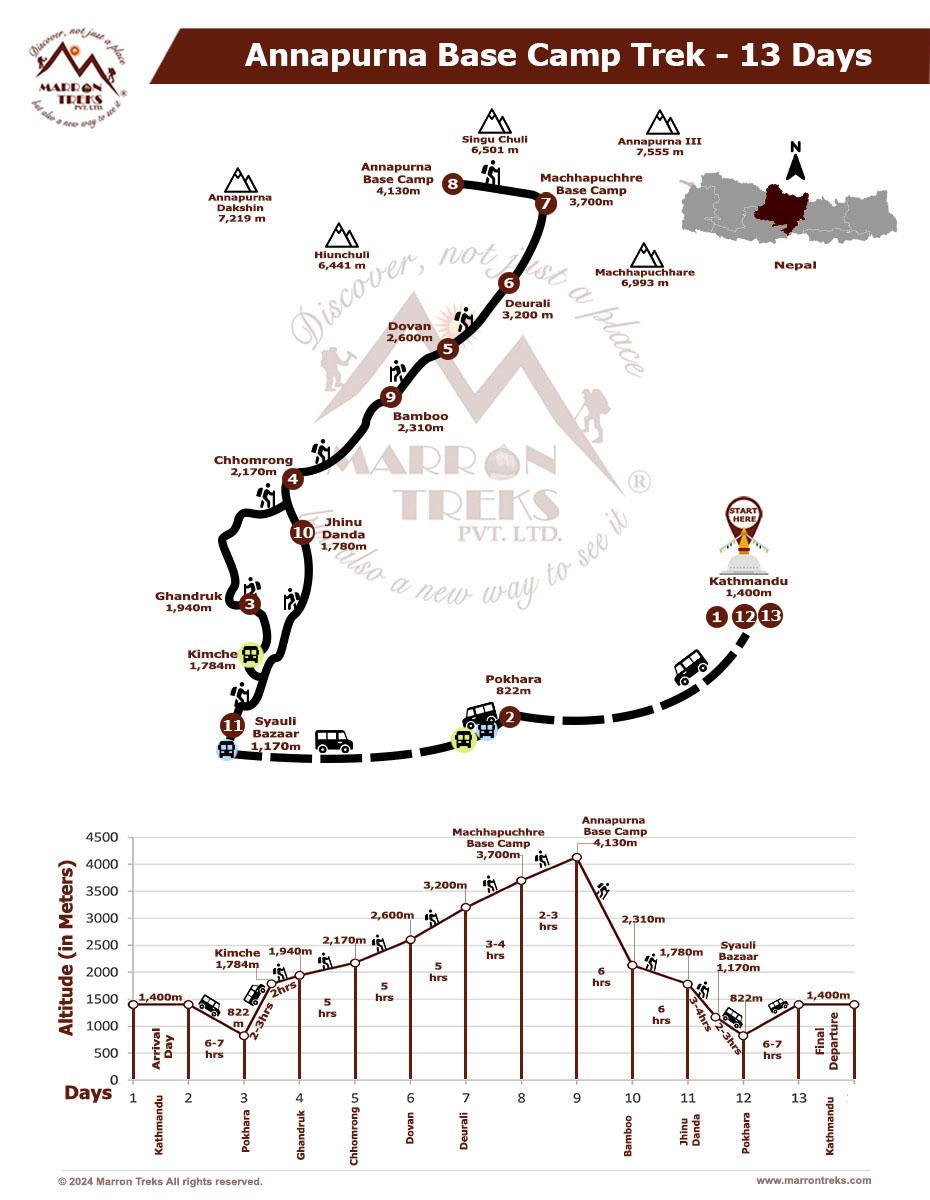
Day 01: Arrival in Kathmandu
Day 02: Drive or fly from Kathmandu to Pokhara (6-7 hrs)
Day 03: Drive from Pokhara to Nayapul (1070m/1 hrs) & trek to Ghandruk (1,940m/5 hrs)
Day 04: Trek from Ghandruk to Chhomrong (2170m/6 hrs)
Day 05: Trek from Chhomrong to Dovan (2600m/5 hrs)
Day 06: Trek from Dovan to Deurali (3200m/5 hrs)
Day 07: Trek from Deurali to Annapurna Base Camp (4130m/5-6 hrs)
Day 08: Trek from Annapurna Base Camp to Bamboo (2310m/6-7 hrs)
Day 09: Trek from Bamboo to Jhinu Danda ( 1780m/5-6 hrs)
Day 10: Trek from Jhinu Danda to Nayapul (1070m/5-6 hrs) & drive to Pokhara (822m/1 hr)
Day 11: Drive or fly to Kathmandu from Pokhara (6-7 hrs)
Day 12: Final Departure
Cost of Annapurna Base Camp Trek (Full Breakdown)
The expenses for the Annapurna Base Camp trek are permit, guide, porters, accommodation, food, and transportation. Taking local transportation instead of a private transfer will lower the overall expenses. Below is the basic expenses involved.
|
Cost Category |
Details |
Estimated Cost (USD) |
|
Permit Cost |
ACAP + TIMS permits required for trekking in Annapurna region |
$35 – $40 |
|
Guide Cost |
Professional licensed trekking guide (per day) |
$25 – $30 / day |
|
Porter Cost |
Porter to carry luggage (per day) |
$20 – $25 / day |
|
Accommodation |
Teahouse stay (basic rooms) |
$10 – $15 / night |
|
Food |
Meals during trek (breakfast, lunch, dinner) |
$30 – $35 / day |
|
Transport (Bus) |
Kathmandu to Pokhara by tourist bus |
$10 – $15 (one way) |
|
Transport (Flight) |
Kathmandu to Pokhara flight |
$120 – $130 (one way) |
|
Local Transport |
Pokhara to Nayapul (start point) |
$10 – $15 |
Budget vs Luxury Comparison:
Trek to the Annapurna Base Camp can be done in a budget or luxury style. The budget option includes a basic and simple tea house with local transportation. For luxury, the option of luxury lodges is available with private vehicles and flights to the trek start points. The approximate costs involved in the Annapurna trek cost details are as follows:
|
Trek Type |
Services Included |
Estimated Cost (USD) |
|
Budget Trek |
Using basic teahouse, local meals, public bus, shared guide |
$650– $750 |
|
Standard Trek |
Comfortable teahouse, tourist bus, guide and porter included |
$950 – $1,350 |
|
Luxury Trek |
Luxury lodges, private transport, domestic flights |
$1,850 – $2,000+ |
For the ABC trekking budget Nepal, things like accommodation on the trek, type of transfers, and guide or porter services need to be considered. The Annapurna permit fees are the same whether it’s a budget or luxury trek, but the cost of trekking guide Nepal will be added if you are hiring a trek guide.
The budget vs luxury trekking cost solely depends on the kind of services chosen, which includes accommodation used, transportation with a guide, and porters added.
Itinerary
This 12-day journey to Annapurna Base Camp takes you through beautiful villages, lush forests, and stunning mountain landscapes in the heart of the Annapurna Region. Experience a perfect mix of culture and adventure as you trek to the base of some of the world’s highest peaks.
Arrive in Kathmandu and one of our representatives will receive you and then transfer to your hotel in Kathmandu. The rest of the time is free to explore the city where your hotel is located which is usually at Thamel – the popular tourist hub in Kathmandu where every needs and facilities for the tourist are located like hotels, pubs, restaurants, departmental stores, trek gear shops etc. Or you can simply rest at your hotel if you are jet lagged and get ready for an amazing Himalayan trek.
Early in the morning drive from Kathmandu to Pokhara in a tourist bus. The journey takes you through scenic landscapes, offering glimpses of rural life, terraced fields, and stunning views of the Himalayas (weather permitting). The drive is around 200 kilometers (125 miles) long and usually takes between 6 to 7 hours, depending on road conditions and traffic. You can also drive by a private vehicle.
The bus will finally arrive at the tourist bus park in Pokhara and you will check-in hotel in Pokhara. The rest of the time is rest at hotel or you are free to explore Pokahra if you wish.
Option: You can choose to either take a private vehicle for Kathmandu/Pokhara overland drive or fly to Pokhara from Kathmandu (25 minutes flight)
You start your walk from Nayapul which is reached after an hour drive from Pokhara. Ascend the well constructed stone stairs to Ghandruk, a typical Gurung village inhabited by valiant Gurkha troops. Look about the village. You may visit a lot of interesting locations, such as the Gurung Museum. Additionally, a Buddhist monastery is close by. Engage with the locals and become fully immersed in their mountain culture. Savor breathtaking views of the Annapurna range.
Resuming our trek from Ghandruk, we embark on the uphill route to Ghandrukot for about an hour and then take an immediate descent to the Kimran Khola (river). Surrendering to the frequent ups and downs along the route, we make yet another ascent from Kimran Khola, after which we are gifted with a comfy walk for about an hour. Pleasure is short-lived; hence we again have to take a steep ascent to eventually reach Chhomrong, which is the gateway to the Annapurna Sanctuary Trek, and lies tucked at the very base of Himal Chuli. Gurungs are the main inhabitants of Chhomrong and it is the last permanent settlement in the valley.
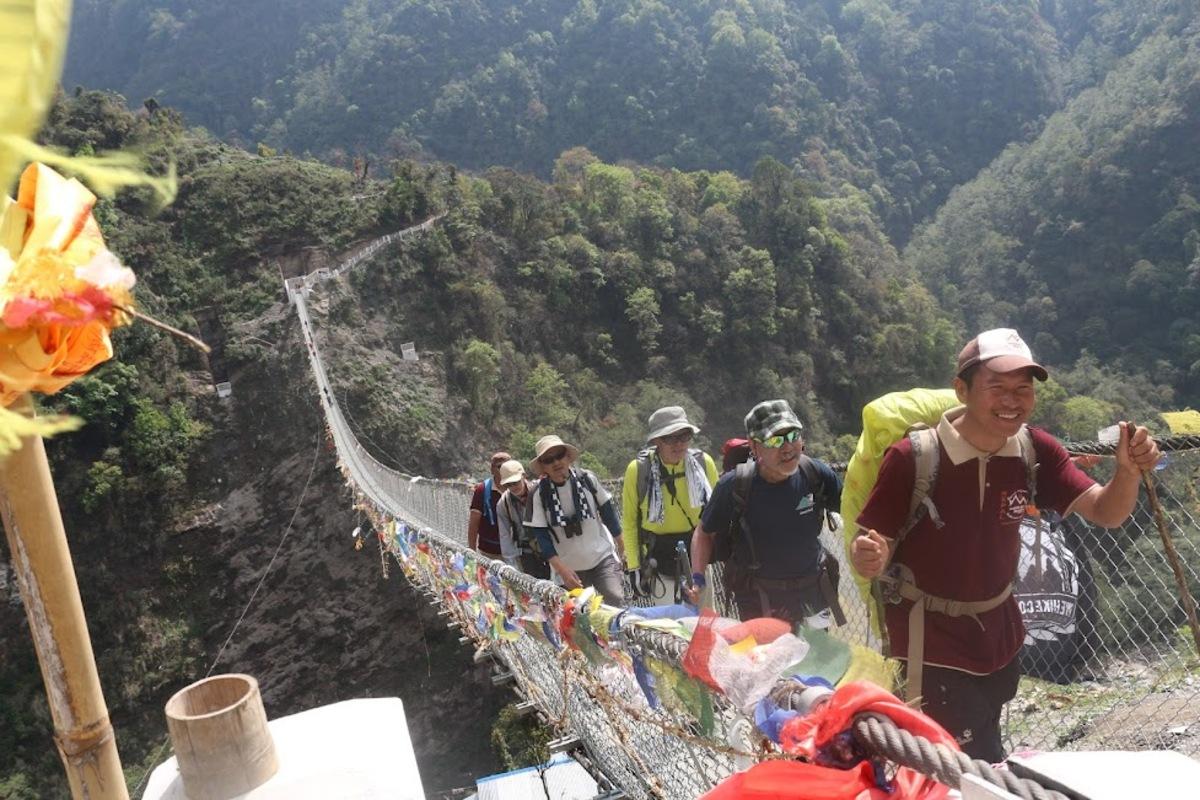
Trailing along the Modi Khola (river), we kiss goodbye to the inhabited foothills of Chhomrong. We the cross a suspension bridge and head to Sinuwa Danda. From here, we embark on a seemingly flatter trail picketed with rhododendron bushes alongside and make an ascent to Khuldighar. What a bumpy trek it is!! The route again slides very steeply down a rocky bank, then to our relief, flattens out, running through bamboo bunches and rhododendron forests, finally getting us to Dovan.
Making a trivial ascent through the bamboo bunches and thick rhododendron forests up the side of gorge, we start our fifth day. We continue our way forward as we pass by the Himalaya Hotel and cross the small bridges over two different streams. As we traverse through some solitary places through the forest, we might get a chance to spot some wild lives like pigs, deer and rarely, snow leopards. Climbing further to the Hinko cave (3100 m), we approach Deurali.
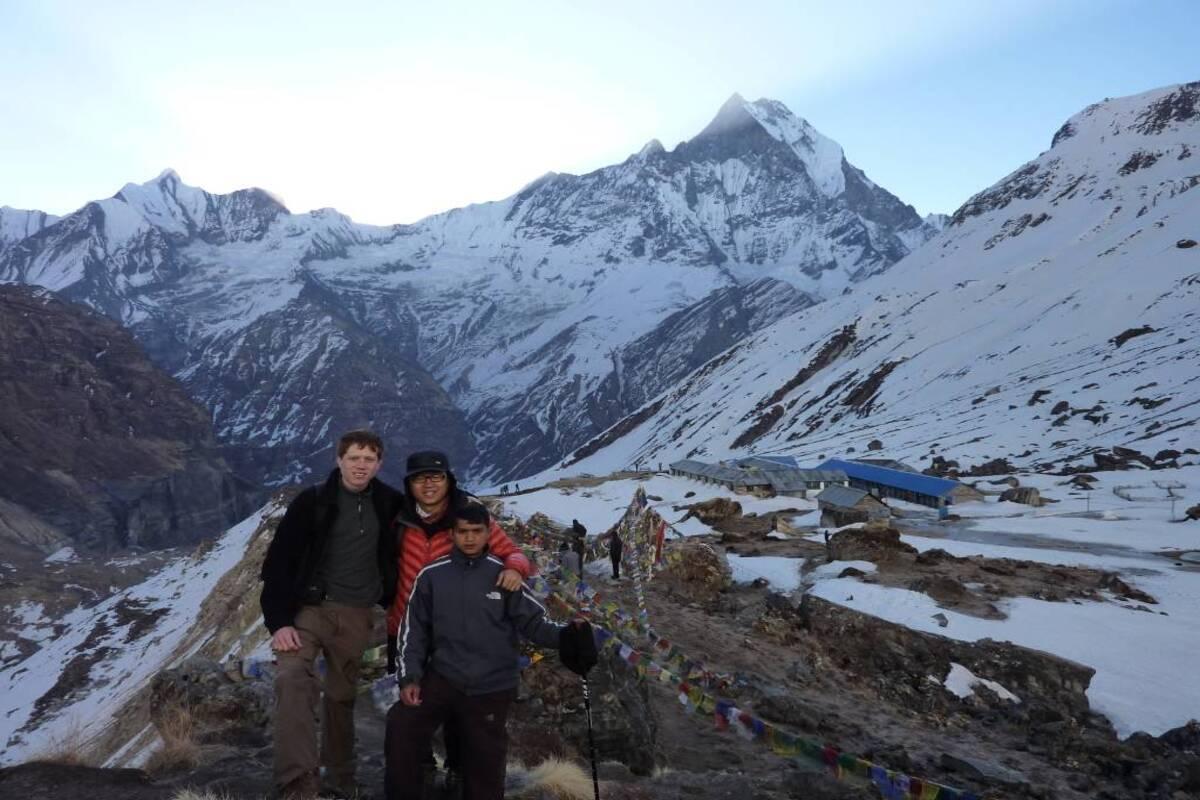
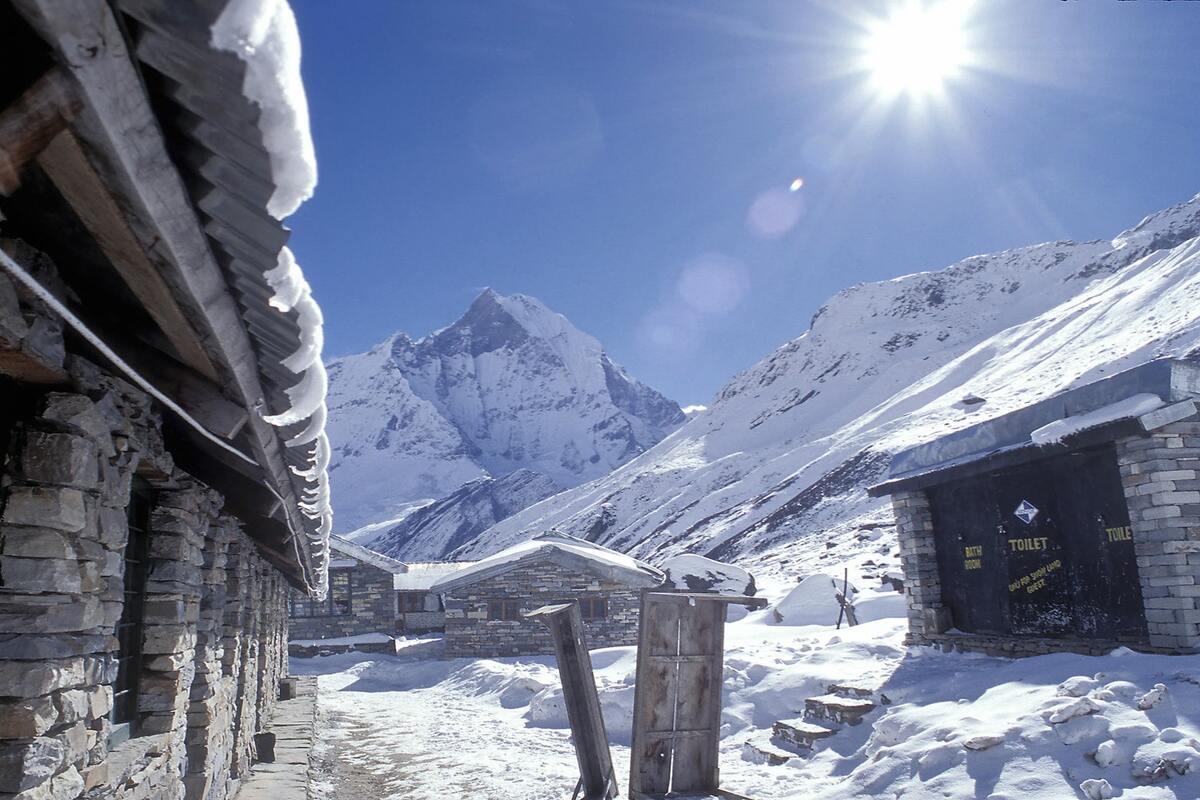
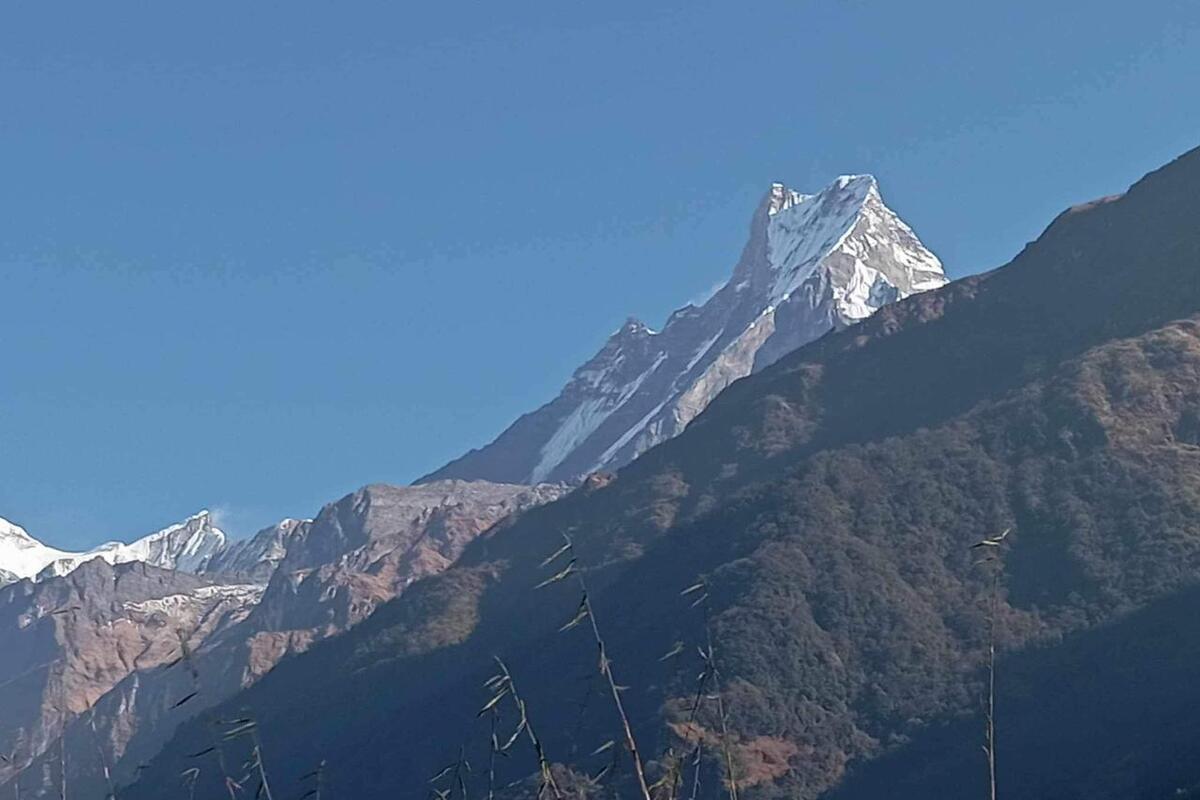
A bit tough day for us compared to the hikes we have had so far! But we needn’t worry so much as the toil definitely pays off when we get to behold the mesmerizing site of Fishtail Mountain. Commencing our trek to the Machhapuchchre Base Camp, we make our way up a river bed and then follow the steep route alongside the mountain. After MBC, the trek takes us through the trail that sans vegetation and we can see the snow streams here and there. We follow the wide route into the Annapurna Sanctuary and then ascend a few huts alongside a moraine which gets us to the base camp of Annapurna. From here, we can relish the unobstructed mountainous panorama of Annapurna, Himchuli and Machhapuchchre. This region gets the nomenclature of “Annapurna Sanctuary” as it is fortified from all sides by the mountainous hoop of Annapurna range. Besides, it is regarded to be sacred as there is a belief that it happened to be the dwelling place of many deities. This region receives seven hours of sunlight a day and hence has a diverse eco -system.
Thank god, the ascents are all over and now we will get set to make our way back following the downhill routes through the Machhapuchchre Base Camp, Deurali and Dovan till we arrive at Bamboo. On the way, we get to relish the views of waterfalls, Mt.Fishtail and Himchuli.
From Bamboo, we continue our descent to Jhinu Danda via Sinuwa and Chhomrong. The Annapurna Base Camp trek continues back through beautiful rhododendron forests down to Sinuwa. From Sinuwa, the trail leads us slightly upward to the lower Chhomrong. We then trudge up a thousand stone steps to upper Chhomrong and then wrap up the day’s trek making a final relieved descent to Jhinu Danda.
We walk for five to six hours from Jhinu along the right bank of the Modi Khola (River) to Nayapul, which marks the finish of our trek. Among the best and most tranquil walks of the entire trek, today's stroll qualifies. We are going to take a little break in Nayapul. Before long, we head to Pokhara via which is an hour's journey.
After breakfast drive to Kathmandu from Pokhara by a tourist bus retracing the same highway route which you took earlier. Upon reaching Kathmandu, check-in hotel and the rest of the time is free to explore or rest. In the evening is Farewell Dinner at one of the authentic Nepali Restaurant with a cultural show.You can also drive by a private vehicle.
Option: You can choose to either take a private vehicle for Pokhara/Kathmandu overland drive or fly to Kathmandu from Pokhara (25 minutes flight)
The trip concludes and our office representatives will take you to the international airport in Kathmandu to catch your onward flight to your next destination or fly back home. You need to be at least 3 hours prior to your flight time at the airport.
Thank you for visiting Nepal and we hope your Himalayan Holiday has come true. Have a safe flight back home!
What is included?
- Airport pick-up and drop services.
- Hotel accommodations in Kathmandu & Pokhara on Twin-Share Basis with breakfast.
- Kathmandu/Pokhara/Kathmandu transfers by a tourist bus or private vehicle (Option: Flight)
- All trekking accommodations with Breakfast/Lunch/Dinner at local lodges.
- Four seasonal sleeping bags (to be returned after trip completion) & Marron Treks duffel bag
- Pokhara/Nayapul/Pokhara transfers by private vehicle.
- A comprehensive medical kit (will be carried by the trekking guide)
- Experienced Government licensed English Speaking Guide & Porter (1 porter for two people) including their food, accommodation, salary & insurance.
- Permits for Annapurna Conservation Area and TIMS (Trekkers' Information Management System)
- Farewell dinner with Nepalese cultural program.
- All government and local taxes.
What is not included?
- International airfare.
- Nepal entry visa fee – Visa can be obtained upon your arrival at the Tribhuwan International Airport in Kathmandu. (USD30 for 15 days)
- Lunch & dinner in Kathmandu or Pokhara.
- Personal travel insurance.
- Emergency rescue evacuation (to be covered by the client's travel insurance).
- Other expenses of a personal nature (phone calls, laundry, battery recharge, bottle or boiled water, hot shower etc.)
- Personal trekking equipment.
- Bar bills, alcoholic drinks & beverages.
- Tips for guides and porters (Tipping is expected).
Route Map
FAQ's
What is unique about the Annapurna Base Camp Trek?
Annapurna Base Camp takes you deep into a natural Himalayan sanctuary surrounded by majestic peaks like Annapurna (8091 m) and Machhapuchhre (Fishtail). ABC puts you directly into the mountains, in contrast to hikes with far-off panoramas. It is one of Nepal’s numerous and fulfilling hikes, combining alpine landscapes, Gurung settlements, rhododendron forests, and Jhinu hot springs.
How long does the trek to Annapurna Base Camp take?
Depending on the route, pace, and acclimatization strategy, the Annapurna Base Camp trek typically takes seven to twelve days. Instead of rushing hikers, Marron Treks plans itineraries to guarantee safety, comfort, and breathtaking excitement.
What is the total distance of the Annapurna Base Camp trek take?
Starting from popular trailheads like Nayapul, Ghandruk, or Jhinu Danda, the entire round-trip hiking route to the ABC trek is roughly 65-75 km.
What is the Annapurna Base Camp elevation?
Annapurna Base Camp is located at 4130 meters above sea level. Reaching this height brings hikers in the center of the Annapurna Sanctuary, surrounded by majestic Himalayan peaks, making it one of Nepal’s most rewarding vantage locations.
Which is the best time to visit the Annapurna Base Camp Trek?
Spring (March-May) and fall (September-November) are the ideal seasons to do the Annapurna Base Camp Trek. Autumn is characterized by clear skies, crisp air, and the greatest mountain vistas following the monsoon, while spring delivers pleasant temperatures, consistent weather, and stunning rhododendron forests in full bloom. Due to safety concerns, Marron Treks typically avoids the monsoon season and only operates during this time when conditions are especially favorable.
Can you get altitude sickness at Annapurna Base Camp?
At Annapurna Base Camp (4130m), altitude sickness is possible due to the high elevation, which can result in symptoms like headache, dizziness, nausea, and exhaustion. However, because the hike is a gentle incline, the risk is moderate. Most hikers reach ABC safely and without major problems if they walk gently, drink plenty of water, eat healthily, and give themselves enough time to acclimate.
Are beginner trekkers able to complete the Annapurna Base Camp Trek?
Indeed. For the first-timers who are physically healthy, ABC is among the top Himalayan treks. There is no need for technical climbing. Prior mountaineering expertise is not as important as consistent abilities and mental preparedness.
What degree of physical wellness is necessary?
You should be able to walk on mountain trails and stone steps for five to seven hours every day. To make the trek manageable for a variety of people, Marron Treks offers pre-trek fitness advice and pacing techniques.
What accommodation I will get during the ABC trek?
Twin rooms are available in tidy, locally owned teahouses. Facilities are more basic yet always friendly and hospitable at higher elevations. Marron Treks carefully considers factors beyond availability when choosing lodges, including food quality, hygiene, and altitude safety.
What are the food options available on the ABC trek?
The Annapurna Base Camp journey offers a range of freshly prepared meals in local teahouses, including Nepalese Dal Vat (rice and lentils with veggies), which is loved by all Nepalese, stew soups, other soups and noodles. In order to sustain energy levels and promote good digestion, Marron Treks promotes wholesome, altitude-appropriate meals. For added comfort and personal preferences, you are also free to pack your own food along the journey, such as instant noodles and other items as per your own taste from your own country.
What medications should I pack for the trek to Annapurna Base Camp?
Along with basic supplies like bandages, anti-diarrheal medication, anti-nausea and altitude sickness medicines, pain-killers, and any personal prescription medications are recommended to pack. Also, consult with your doctor before starting any trekking.
Does the Annapurna Base Camp require a guide?
Of course. For good reason, trekking in Nepal requires professional guides. Our guide adds safety, cultural interpretation, clarity, and much more. This turns the trek into a profound Himalayan experience rather than just a stroll.
Which permits are necessary for the journey?
Annapurna Conservation Area Permit (ACAP) and the Trekker’s Information Management System (TIMS) are the permits that are required for the journey. Marron Treks handles all permits efficiently so you can focus on the journey.
What is the Annapurna Base Camp’s temperature?
Particularly in the fall and winter, nighttime lows can reach -5 °C to -10 °C. Marron Treks offers thorough packing guidance so you bring precisely what you require- neither more nor less.
Will there be charging or Wi-Fi available in the ABC trek?
In many settlements, Wi-Fi and charging are accessible, but at higher elevations, they become scarce and require payment. Marron Treks encourages visitors to unplug and completely enjoy the Himalayas while also offering advice on power banks and digital preparedness.
Can I customize or combine the ABC trek with other experiences?
It is possible to personalize the Annapurna Base Camp journey. You can combine this trek with stays in Pokhara stay, visits to Jhinu hot springs and many more.
Which is harder, EBC or ABC?
Both journeys demand endurance, but because of the higher altitudes and longer days, the Everest Base Camp trek is typically regarded as more difficult. With lower altitudes and a shorter length, the Annapurna Base Camp hike is relatively less challenging.
Why should I choose Marron Treks for the Journey?
Joining Marron Treks for your trip involves travelling with a dependable and knowledgeable local trekking company that genuinely cares about your fun, safety, and comfort. We prioritize quality over quantity, safety above speed, and deep connections with neighborhood communities. Because every adventure should be enjoyed the proper way, Marron Treks guarantees a seamless, genuine, and unforgettable trip with informed local guides, careful planning, and a customized approach.
Equipment
Packing List and Preparation Tips
Packing the right things for your trek makes the trek hassle-free. You need to bring the important things instead of buying expensive items. You need to prepare all your Annapurna trek packing list before the trek.
A simple trekking gear checklist Nepal includes the following:
- Warm down jacket
- Waterproof jacket and pants
- Comfortable trekking pants and shirts
- Thermal inner clothes for cold nights
- Gloves, woolen hat, and sunglasses
- Good trekking boots with grip
- Warm socks and light slippers
- Sleeping bag for colder regions
- Water bottle and water purification tablets
- Headlamp with extra batteries
- Sunscreen and lip balm
- Basic medicines and first aid kit
- Power bank and phone charger
- Small backpack and rain cover
The above essential items for ABC trek are enough, and pack light and bring only useful items. A good high-altitude clothing guide requires you to wear layers. The Himalayan weather is unpredictable, with cold mornings and nights. Layered clothing keeps you warm and comfortable.
Sound physical fitness is required for the trek, and you don’t have to be an athlete. For trekking preparation tips Himalayas, basic exercises with activities like walking, hiking, jogging, cycling, and climbing stairs are recommended.
Trip Info
Duration and Distance of ABC Trek
The ABC trek duration and distance depend on the route taken, which is around 7 to 12 days overall. A short route is taken for quick access to the base camp, while others choose a longer route, enjoying the walk.
Daily walking hours ABC trek are around 5 to 7 hours, covering about 8 to 12 km every day. It’s a short and easy walk on some days, and reaching the high altitude and uphill requires longer days of walking.
The total hiking distance Nepal trek to Annapurna Base Camp is around 110 to 130 km. The trail passes through traditional villages, green forests, and suspension bridges in the Annapurna trekking days itinerary.
The Himalayan trek time duration largely depends on the altitude gained and the condition of the mountain trails, which makes the trek challenging. For a successful and enjoyable trek, walk slowly, drink plenty of water, and take breaks.
Best Time to Trek Annapurna Base Camp
The best time for Annapurna trek is the spring and autumn seasons. The mountains are clearly visible, and the weather is at its best during these seasons. It’s the most popular time to trek in these Annapurna trekking seasons.
The spring season (March to May) offers trails with rhododendron flowers in bloom and warm weather conditions during the day. It’s the best months for ABC trek with unobscured mountain views, though the trails can be crowded, being a popular season.
Autumn season (September to November) gives clear skies with perfect mountain views. Nepal trekking weather guides suggest it’s the best season with stable weather, appropriate temperatures, and offering an enjoyable trek.
The winter season (December to February) is much colder with snowfall blocking the trails, and nights become freezing cold. But it’s good for trekkers who can handle cold weather since the trails will be less busy.
Monsoon season (June to August) isn’t recommended for trekking, as the trail will be muddy and slippery due to constant rainfall. The seasonal trekking conditions Himalayas do not suggest trekking during the monsoon, though the landscapes become lush and green.
Difficulty Level of Annapurna Base Camp Trek
The Annapurna Base Camp trek is not very hard and not that easy too. The trek is considered a moderate trekking difficulty Nepal. The fitness level for ABC trek requires good stamina to walk several hours daily on mountain terrain.
Mostly, the walking hours are 5 to 7 hours each day and more during long uphill climbs. The trail contains steep stair sections. This feels tiring on some occasions, making your legs tired.
During the altitude gain Annapurna trek, the air becomes thin as you proceed to higher elevations. You need to walk slowly with enough breaks so that your body can adjust to the altitude gained.
The trekking difficulty comparison Nepal suggests that the trek is doable for those with good preparation before the trek.
Who Can Do the Annapurna Base Camp Trek
The first time trek Nepal guide requires that those with a good fitness level can do this trek. If you have a beginner trekking experience Himalayas, you need good preparation before the trek. The trekking fitness requirements Nepal advises on a simple preparations like daily walking and light exercises before the trek is helpful.
The trek involves 5 to 7 hours of walking daily. If you are looking for who can do ABC trek, the age range is from teenagers to the elderly, around 60+. For those with knee problems, heart issues, and no walking experience, the trek should be avoided.
For first-time trekkers, please check the Annapurna trek for beginners guide.
Permits Required for ABC Trek
There are two permits required for the trek, which are checked while starting the trek. Please refer to the Annapurna trekking permits guide for more information.
Initially, it requires a permit to enter the Annapurna Conservation Area, which is known as the ACAP permit (Annapurna Conservation Area Permit). ACAP permit Nepal costs NPR 3000 for foreign trekkers.
The TIMS card is the secondary permit, which stands for Trekkers’ Information Management System. This card ensures the safety of the trekkers and keeps a record. TIMS card trekking Nepal is NPR 2000.
The total trekking permit cost Annapurna for the ABC trek is NPR 5000 per trekker.
These permits can be obtained either in Kathmandu at the Nepal Tourism Board office or in Pokhara. Booking your trek through a local travel agent, they shall handle all permits. The legal trekking requirements Nepal require booking your trek through a registered travel agency in Nepal, like Marron Treks.
Accommodation and Food During Trek
Local lodges, better known as tea houses, are the accommodation on the trek. These are family-owned lodges available throughout the trail. They have basic facilities with rooms on a twin-share basis, beds, and blankets. Luxury lodges are not available in the ABC trail.
The tea house trekking Nepal in Nepal is a wonderful experience. After a tiring day of walking, they provide comfort and a good night's sleep. The mountain lodge facilities in Annapurna are basic lodges, and no luxury lodges are available. Hot showers, charging devices, and wi-fi will cost extra.
Food will be simple but nutritious. The trekking food menu Nepal doesn’t have extended items as in the cities. But they do contain noodles, fried rice, pasta, soups, momo, pancakes, eggs, and tea or coffee. Dal Bhat is more popular, giving you energy for walking. Dal Bhat is a combination of rice, lentil soup, and vegetables.
The accommodation cost for the ABC trek is not too high, with a basic room around USD 5 to 10 per night. The room price will increase as you gain altitude, and the same applies to food prices.
Accommodation
While you are in Kathmandu, we opt to accommodate you in 4- or 5-star hotels like Hotel Royal Singhi (4-star), Hotel Manaslu (4-star), Radisson (5-star), Yak & Yeti (5-star), or similar. During the trek, you will be accommodated in a local mountain lodge, better known as a tea house.
These lodges and teahouses provide good services and are equipped with basic amenities. We will endeavor to provide you with the best accommodation available along the route so that you get a good night’s rest in a hygienic milieu.
Meals
We never compromise the quality of food or the health of the trekkers as well as the crew members. Generally, we opt for the fresh and nutritional local community food available. You could make your delicious pick from an array of traditional foods like sweet potatoes, buckwheat barley, etc.
This way, you could not only get a real sense of the local culture and life patterns but also contribute to promoting the locally available resources of organic food and beverages. Besides, a wide range of Continental, Chinese, Italian, and Indian cuisines like pizza, spaghetti, French fries, soups, breads, masala curry, etc. are also available in the restaurants for your retreat.
Acclimatization
Altitude sickness is a serious risk while trekking in the Himalayas. It's important to acclimatize properly by spending a few days at lower altitudes before heading higher. By spending time at lower altitudes before pushing higher, your body has time to adjust. Our trekking packages have enough acclimatization days planned where you'll be spending a day or two at lower altitudes, allowing your body to adjust to the increasing altitude.
Electricity & drinking water
For an additional cost, you can use the electricity in all tea houses and lodges to recharge your batteries. The lodges have packaged mineral water for sale, or you can fill your bottle with boiling water. To make water drinkable, you can use water purification tablets too. But, due to hygienic issues, you should avoid drinking water from taps, rivers, or wells in trekking areas.
Communication
At lodges, restaurants, and hotels, Wi-Fi is available for an additional fee in the most popular trek regions, like Everest and Annapurna. However, at high elevations, phone calls are the only means of connection. Our office in Kathmandu is in constant communication with your trek guide. In Kathmandu, you can purchase a local SIM card for communication purposes. At high elevations, the mobile signal might not be as strong, though.
Luggage
Our porters are paired with one trekker for every two hikers, and one porter can safely carry 30 kg maximum weight. Therefore, we advise you to fill your duffle bag not more than 15 kg with your belongings. You may carry a small backpack with your valuables and informational documents. The things you are not taking along on the trek can be stored in a hotel in Kathmandu free of charge.
Typical Trek Day
Mostly your trek day starts with breakfast at 7-8 am, followed by a 3-4 hour morning trek. Lunch break is around an hour, then you continue trekking to your destination for the day. After reaching the teahouse lodge, you can relax, explore nearby areas, and enjoy dinner at 6-7 pm. Evenings involve socializing, a trek briefing, and leisure activities before bed.
Travel Insurance
It is advised that you arrange your travel insurance before leaving your homeland. The main thing is to make sure that your insurance covers you for both medical and evacuation costs. Having travel insurance with you makes your trip secure and hassle-free.
Our Guides
Guides play a significant role during the trek. They are the ones who literally decipher the trekking codes for you so that you can actually connect with nature, culture, and people along the way. We have helpful and dedicated trekking guides who are very well-versed in the culture, life patterns, and every single detail pertaining to the trek region you are traveling in. Thus, in the company of our professional Sherpa guides, your trek becomes not only entertaining but also equally informative.
Porter and Staff Care
When it comes to high-altitude trekking, porters and staff members make up a pivot. Marron Treks ensures that all the porters and staff members going to high altitudes are provided with adequate clothing and equipment. All our field staff are covered by insurance.
Safety Tips and Altitude Awareness
At higher elevations, safety comes first. The air becomes thinner at high altitudes, and trekkers may feel uneasy and can experience altitude sickness. You need to be prepared for the altitude sickness Annapurna trek before the hike.
Headache, dizziness, nausea, loss of appetite, difficulty sleeping, and shortness of breath are the symptoms of altitude sickness. Do not ignore these signs. AMS prevention trekking Nepal suggests walking slowly, drinking plenty of water, and taking enough rest to adjust your body to the altitude gained.
Other high altitude safety tips are to avoid alcohol and eat nutritious food. If a proper acclimatization strategy Annapurna is followed, the risk of altitude sickness becomes low.
The trekking risk management Himalayas is to go with a local guide, carry a small first aid kit, and follow what your guide suggests since he is experienced in dealing with altitude problems and also knows the area better.
Real Trekking Experience
The trek to Annapurna Base Camp is a real trekking experience in the Himalayas. You can witness the majestic mountains, observe the local culture, and be in nature. The whole Annapurna trekking experience is something other places in the world do not have.
You tell the real trekking story Nepal after completing the trek since it’s one of the world’s best trekking trails. You will be simply mesmerized by the beauty of the Annapurna region.
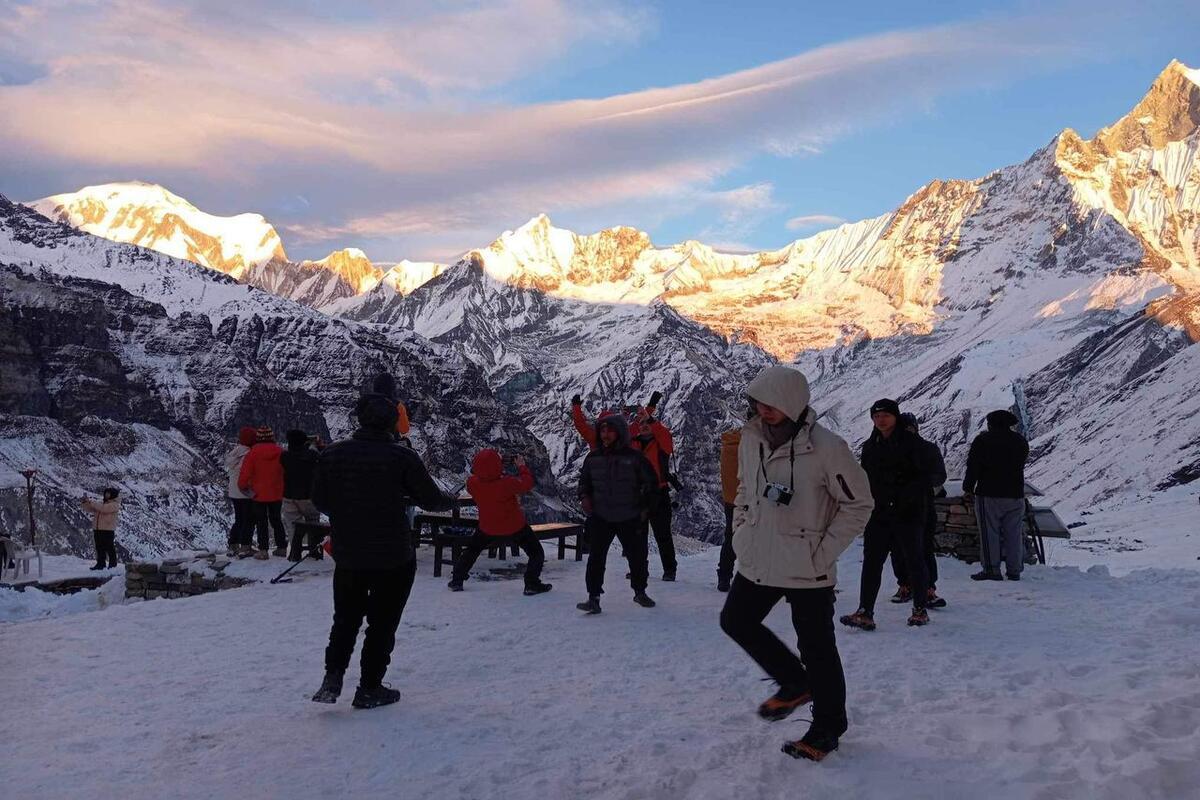
There are lots of happy moments in the Himalayan trekking journey experience. Watching Himalayan sunrises, drinking hot tea in a local lodge after a tiring walk, and sharing stories with fellow trekkers in the evening are some of the unforgettable experiences.
You will have some emotional trekking moments ABC like reaching the Annapurna Base Camp, and be soaked in with its beauty, observing a 360-degree mountain panorama. These moments are really rewarding once you get there.
The trekking lifestyle Nepal is simple, with waking up in the morning and sipping your tea or coffee. Then head out to the trail, enjoying the beautiful mountains, crossing traditional villages, and observing local life. It’s a perfect mix of mountains, culture, and nature.
Why Choose a Guide or Trekking Agency
Going with a guide or choosing a local trekking agency does make a difference. Choosing a licensed trekking guide in Nepal makes your journey safer and runs things more smoothly.
Hiring a guide helps you in navigation and, most importantly, in safety. Up in the mountains, the trails can be confusing with many turns. Besides, the weather can get worse. A guide escorts you to the right destinations and protects you from taking wrong turns or risky paths. He can also deal with the trekker’s altitude sickness.
Professional trekking guide services also help you with arranging accommodations, picking up healthy food, and explaining the local culture. All you have to do is focus on your walking, enjoying the views.
For guided vs solo trekking, you can trek on your own, which gives you freedom, but you need to handle and prepare everything. These include accommodations, permits, food, and the trek route. Solo trekkers can be in trouble in situations like altitude sickness or injuries while walking. Going with a local trekking agency, they shall arrange everything from a guide, porters, lodges, food, transfer, and permits.
Reviews
We attempted the Annapurna Base Camp Trek in October, 2014. Due to weather and illness, we didn’t reach ABC, but we are still happy to recommend Marron Treks. Shikhar Berma answered our questions quickly, handled our arrangements and permits, and supplied us with a top quality guide and porter. Our guide Prem Dorje Tamang and porter did everything possible to make sure we had a good trip even though we couldn’t reach ABC. If we ever go to Nepal again, we will contact Marron Treks, and we will ask for Prem Dorje Tamang to be our guide.
Ms. Julia Griffith Miller and Mr. Melvin Wayne Davis
I am so happy that our trip to Nepal was arranged and guided by your company, Marron Treks. From our first email contact your staff was knowledgeable, positive and accomodating. Doug and I had a lot of territory to cover and things to accomplish in a relatively short time. We were quite demanding, wanting things changed from the standard treks, speeding up the pace to get to a photographic vantage point of the Annapurna Range, slowing down to get more shots of monkeys and water buffalo, making last minute changes as to where we would end the day or whether we would go by air or road. All the while, you and your staff always did the intelligent thing to keep us safe and comfortable and where we wanted to be.
Our eleven-year-old son, who has recently made a slide show about the trek for his sixth grade class, had a wonderful experience in Nepal, largely thanks to you! He loved to race ahead on the steep and sometimes slippery trails, and you stayed by his side, joking and laughing, and made sure that he didn’t outdistance his energy and abilities. You and your staff were kind enough to join him in card games in the evenings; those rounds of “spoons” were truly hilarious and kept all of us in good spirits.
Your expert knowledge of the area was immediatley obvious and made us very comfortable. Likewise, your friendly nature and camraderie with the porters and sherpa on your staff and with everyone we encountered along the trail made the journey pleasurable for our family and left anyone we met smiling.
We think about you and our trip to Nepal and we’re very grateful for the experience. Wishing you, Purda, Dawa, Sanjip, “little” Ram and everyone at Marron Treks all the best. We hope we will have a chance to travel with you again.
Diane lamacchia
Hola Ram!! Namaste!! OS RECOMENDAMOS LA AGENCIA DE RAM KUMAR POR SU GRAN PROFESSINOALIDAD Y TRATO RECIBIDO SU DEDICATION Y PASION POR SU PAIS HAN HECHO QUE NUESTRO TREK POR LAS ANAPURNAS FUERA UN VIAJE INVOLVIDABLE MUCHAS GRACIAS. TARRAGONA 16.11.2010 MAITE Y DAVID.