Manaslu Circuit Trek
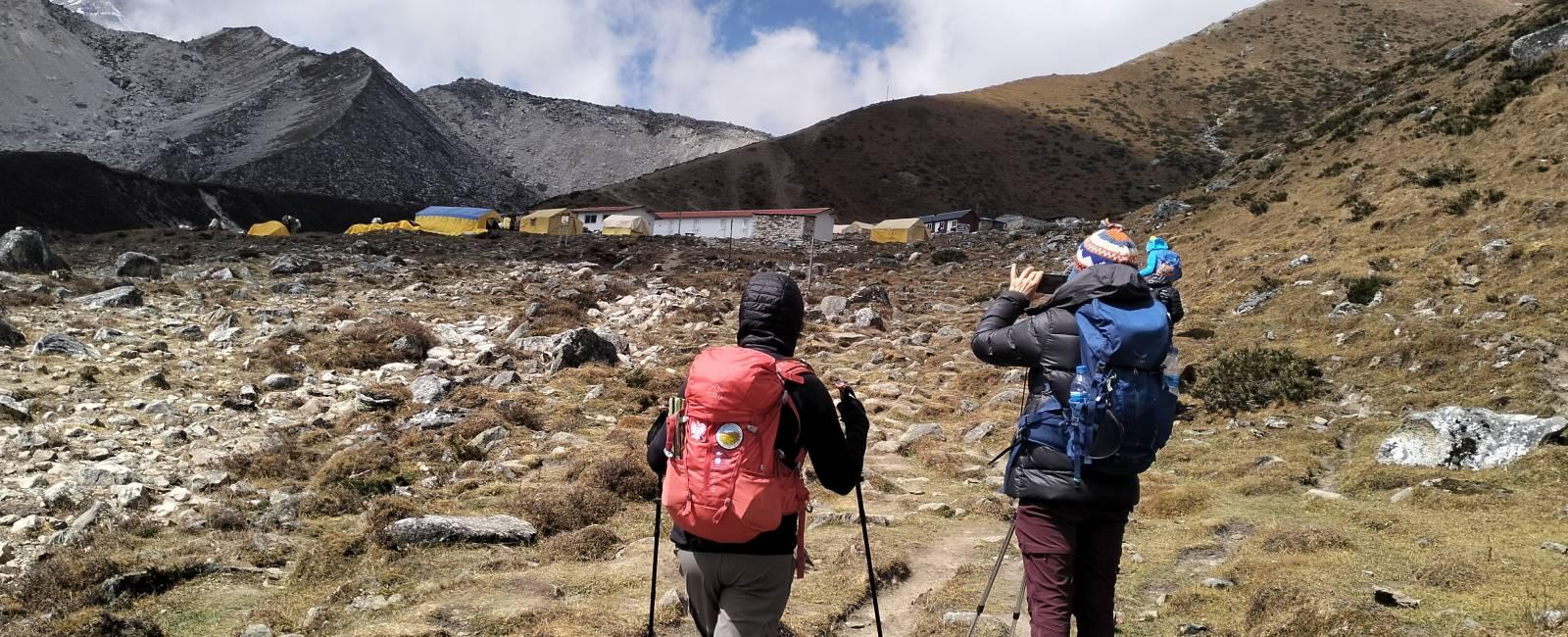
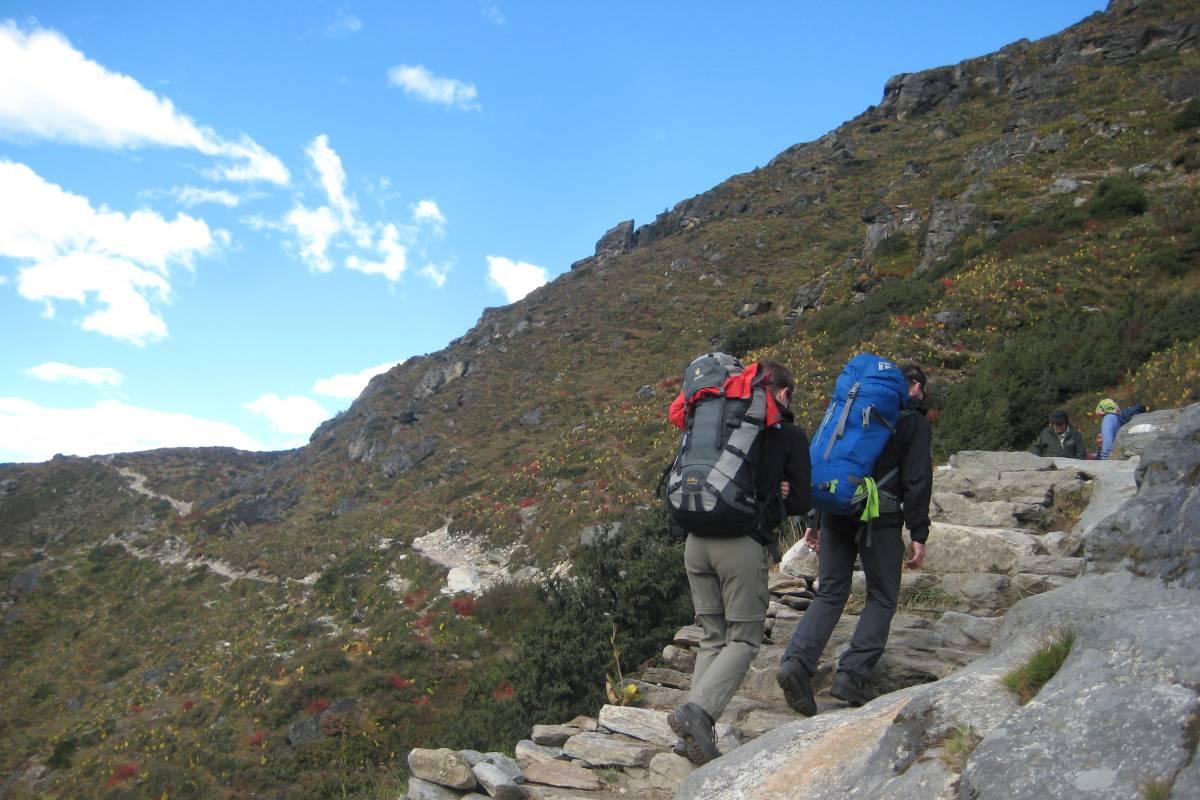
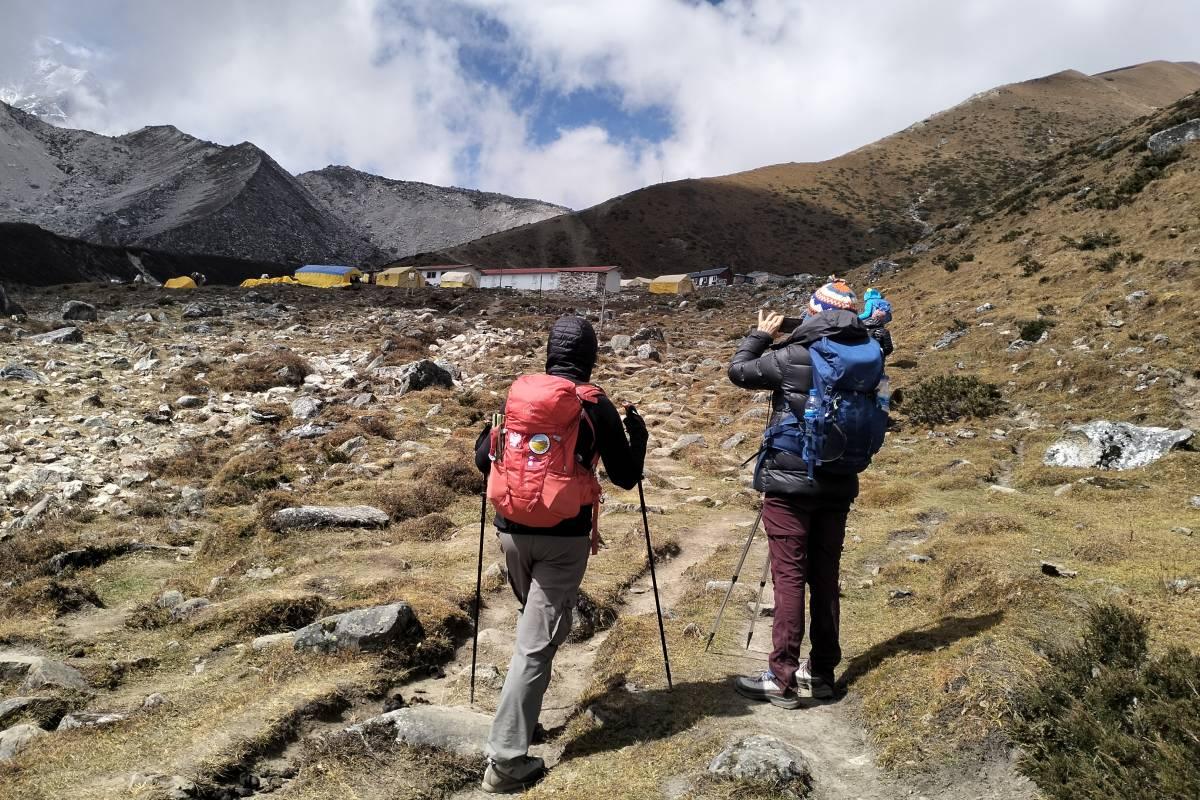
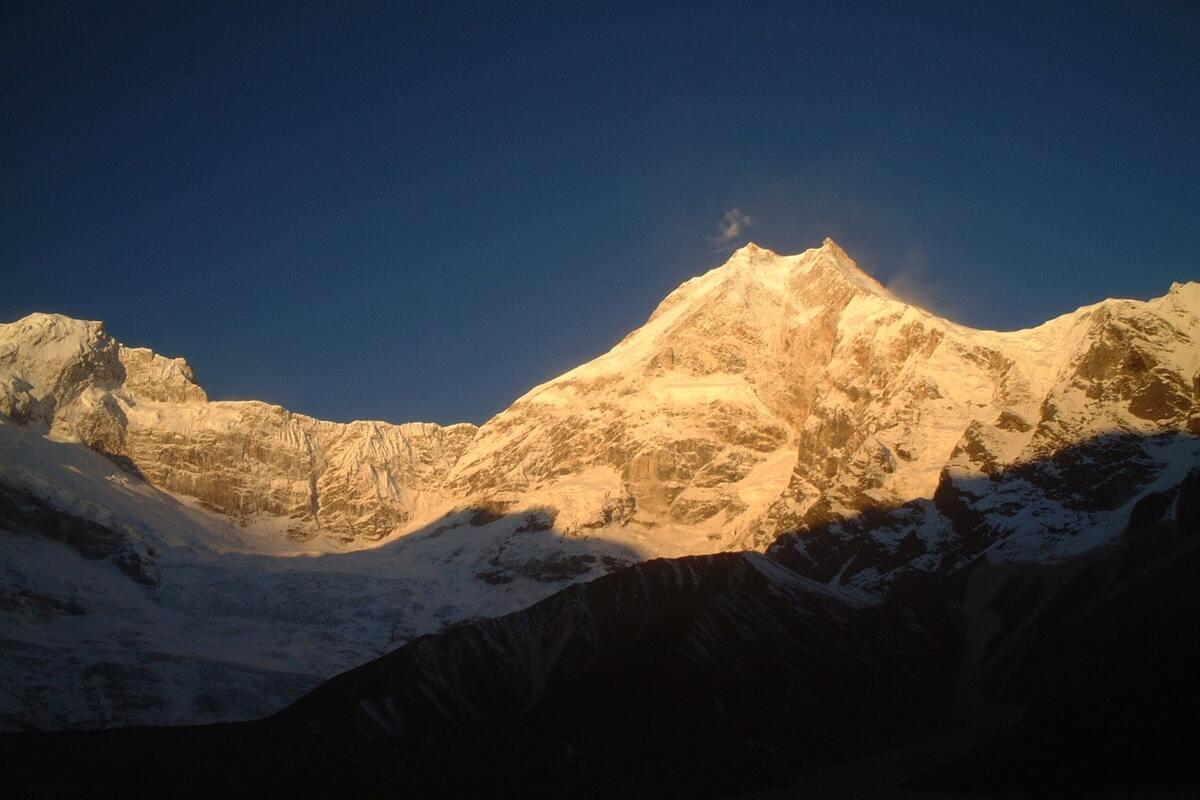
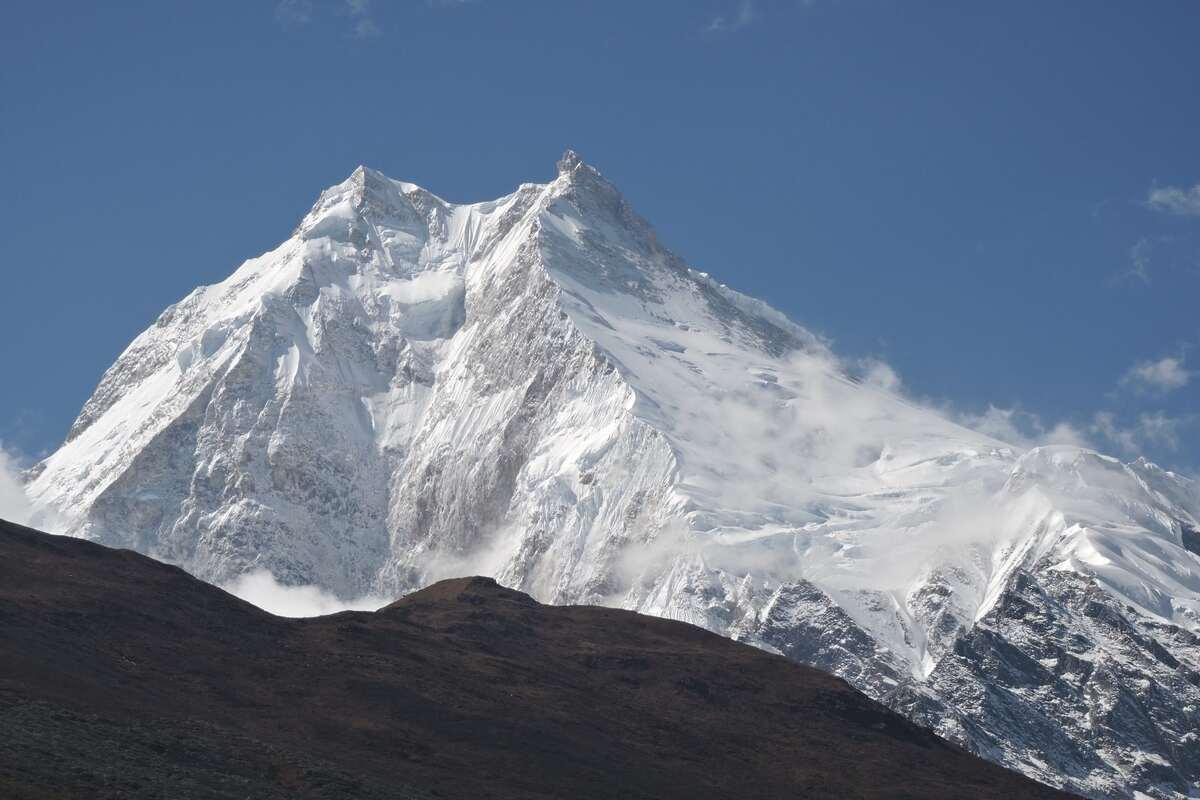
The trek circles Mt. Manaslu (8,163 m), the 8th highest mountain in the world. You start in lush green lowlands with waterfalls and slowly climb into a high-altitude "alpine desert" where people follow ancient Tibetan traditions.
- Duration: 15 days.
- Highest Point: Larkya La Pass (5,106 m).
- Difficulty: Challenging (requires good fitness and walking 6–8 hours a day).
- Best Time: March to May (Spring) and September to November (Autumn).
Essential Updates
- Road Access: New roads reach Machha Khola, making the trek start easier; upper trails remain untouched.
- Tea Houses: Lodges in Lho and Samagaun are improved, offering solar charging and basic Wi-Fi; higher spots like Dharamsala are still simple.
- Guide Requirement: Trekking alone is now allowed with a licensed guide; you no longer need two trekkers.
- Permits: Trekking fees are $100/week in autumn ($15/day extra) and $75/week in other seasons ($10/day extra), plus MCAP, ACAP, and Chumnubri Rural Municipality permits (~$25–$30 each).
Trip at a Glance
-

Country: Nepal
-

Trip grade: Strenuous
-

Destination: Manaslu region
-

Activities: Trekking
-

Accommodation: Hotels/Lodges
-

Meals: Full-board on trek
-
.png)
Transportation: Private vehicle
-

Maximum altitude: Larkya La (5213m)
-

Group size: 2 pax min
-
.png)
Best Season: Mar-May, Sep-Nov
Manaslu Circuit Trek: Overview
The Manaslu Circuit Trek stands as one of Nepal’s premier "off-the-beaten-path" adventures, circling the majestic Mt. Manaslu (8,163m), the world’s eighth-highest peak. As a restricted area trek, it requires a higher level of logistical preparation, including a mandatory licensed guide and a minimum of two trekkers per group.
Travellers should plan for a 14 to 18-day itinerary, with cost depending on group size and service preferences. This price typically covers the necessary Restricted Area Permits (RAP), MCAP, and ACAP registrations required to enter this protected border region.
The trekking experience is defined by its dramatic geographical transition, starting from the subtropical foothills of the Budi Gandaki River and ascending into the arid trans-Himalayan pastures near Tibet.
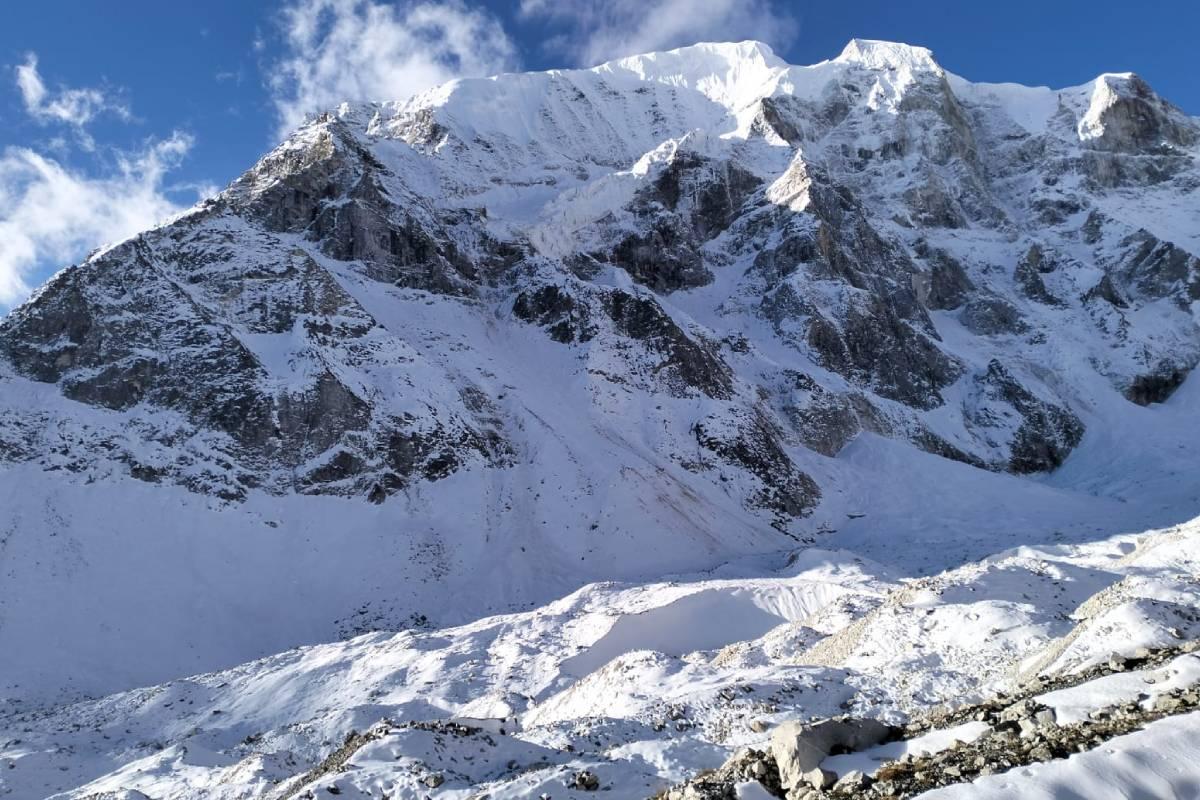
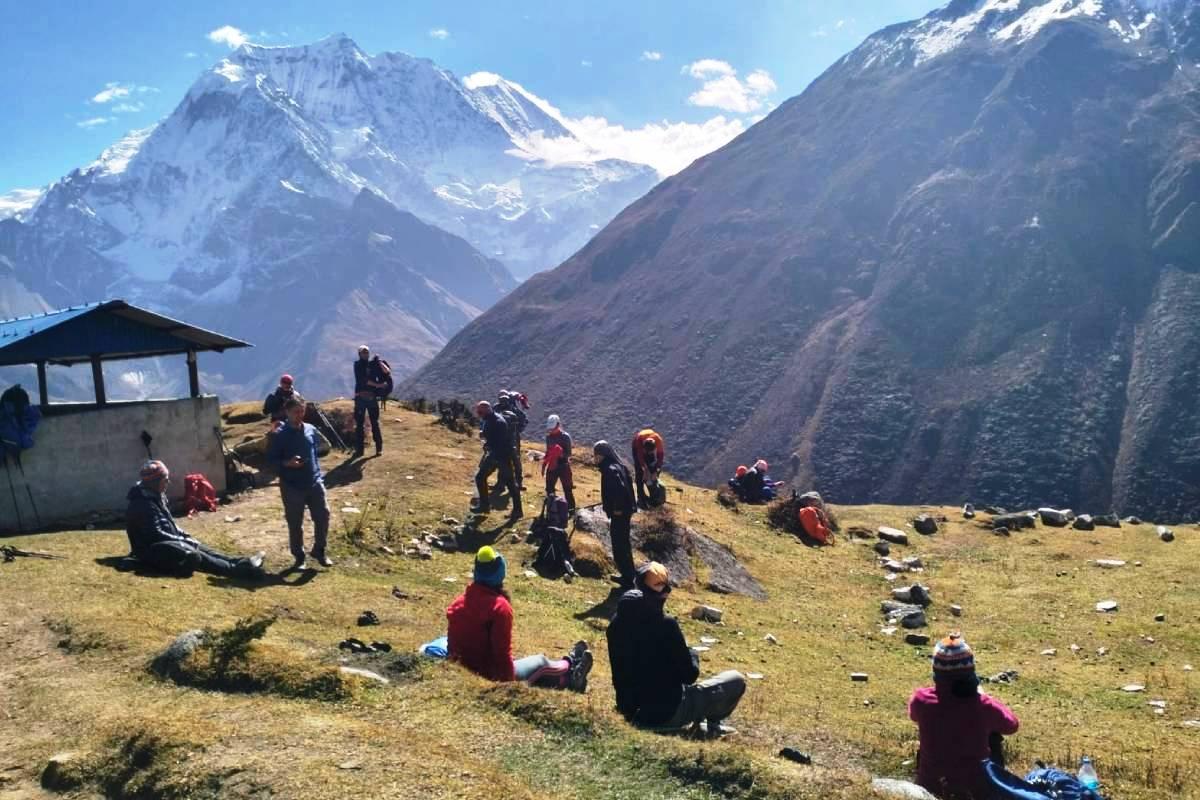
The cultural heart of the journey lies in the Tibetan-style villages of Namrung, Lho, and Samagaon, where the local "Nubri" people maintain ancient Buddhist traditions. Known as the "Spirit Mountain", Manaslu provides a backdrop of deep spiritual significance, with the trail passing through high-altitude alpine meadows and beneath the mammoth North Face of the massif.
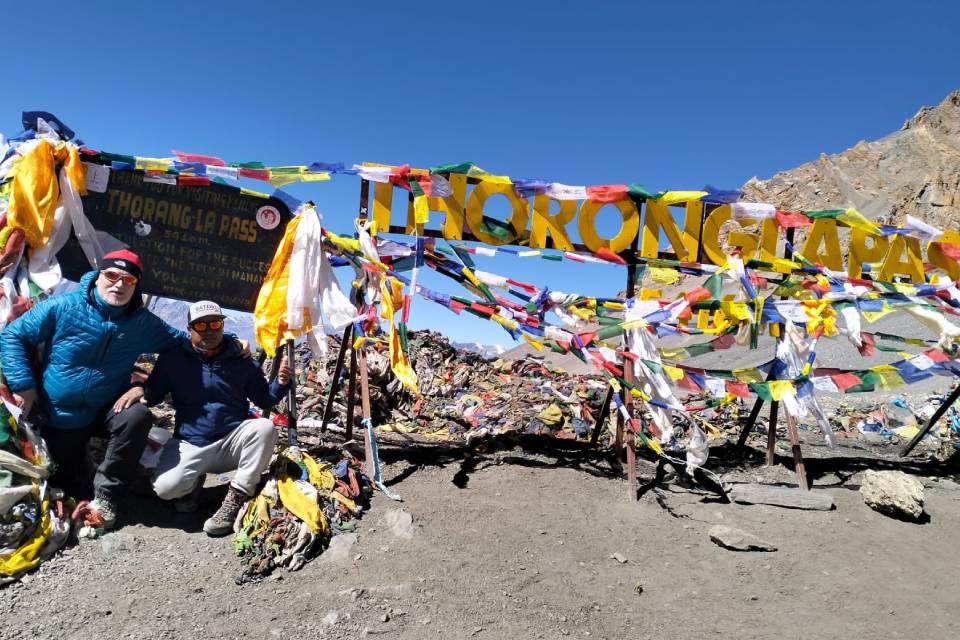
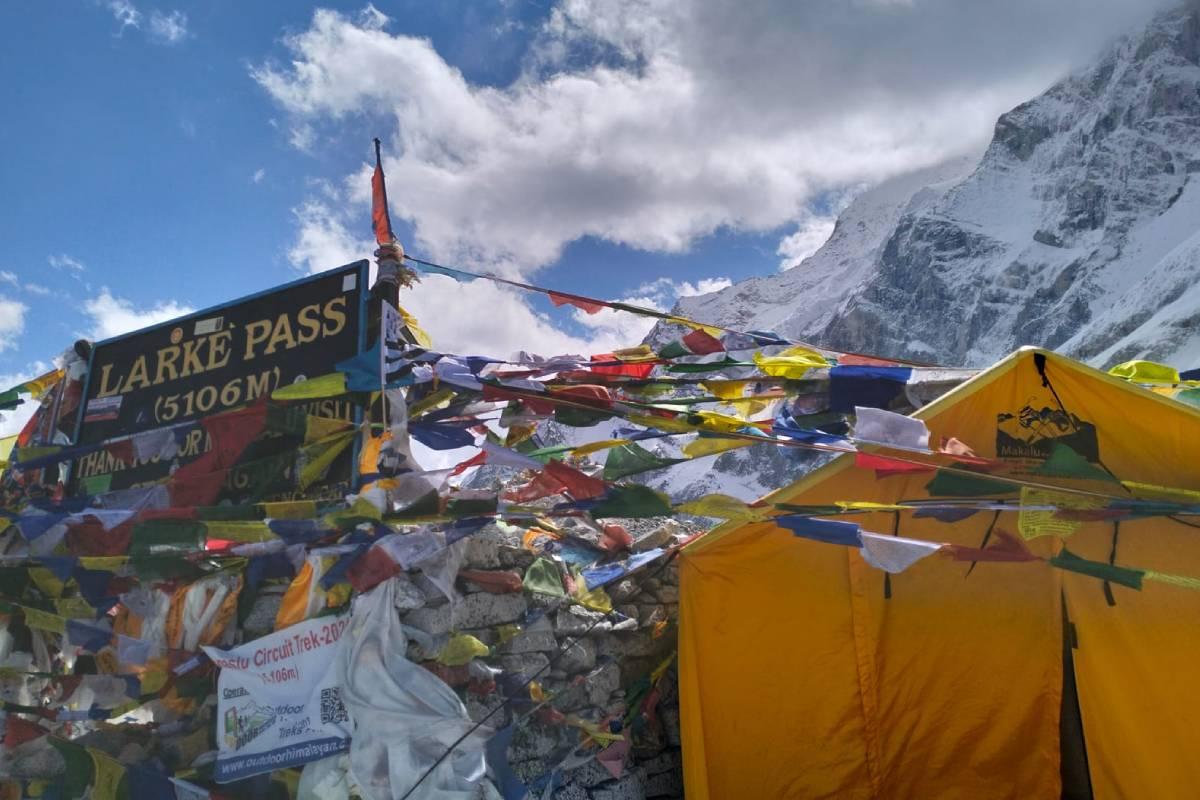
The technical highlight of the trek is the crossing of the Larkya La Pass at 5,106 metres (16,752 ft). This challenging ascent offers a breathtaking 360-degree panorama of peaks, including Himlung Himal, Cheo Himal, and Annapurna II.
Following a scenic but adventurous drive from Kathmandu to Machha Khola, trekkers follow a series of steep ascents and descents before acclimatising in Samagaon. After conquering the pass, the route descends through the stunning Marsyangdi Valley to conclude in Dharapani, offering a complete and rewarding Himalayan circuit.
Manaslu Circuit Trek Highlights
- Explore the fascinating Budi Gandaki River Valley.
- Relish the scintillating mountainous panorama of Himal Chuli, Ngadi Chuli (Peak 29), and Mt. Manaslu as you anchor at the village of Shya.
- Explore the remote settlements of Samagaon and Samdo.
- Hike to the daunting mountain pass, Larkya La (5106 m), to witness the stunning panorama of Himlung Himal (7,125 m), Cheo Himal (6,820 m), Kang Guru (6,980 m), and Annapurna II (7,937 m).
- Witness the harmonious blend of Tibetan and Nepali culture.
Manaslu Circuit Trek Cost Breakdown
The cost for the Manaslu Circuit depends on the kind of package you choose, from budget to mid-range and deluxe. Below are the approximate costs involved during the trek, which mostly include permits, guide & porters, food, trek accommodation, transfers.
|
Cost Component |
Budget Trek (USD/NPR) |
Mid-Range Trek (USD/NPR) |
Deluxe Trek (USD/NPR) |
Notes |
|
Trekking Permit |
USD 220 per person |
USD 220 per person |
USD 220 per person |
Restricted Area Permit (RAP) + ACAP/MCAP |
|
Guide & Porter |
USD 50 per day |
USD 60 per day |
USD 70 per day |
Mandatory for all trekkers |
|
Accommodation (Teahouses) |
USD 15 per day |
USD 20 per day |
USD 25 per day |
13 days stay |
|
Food & Drinks |
USD 45 per person |
USD 55 per person |
USD 65 per person |
Breakfast, lunch, dinner included |
|
Transport (Kathmandu to pick-up/drop-off at trek start/finish point) |
USD 585 (Total) |
USD 685 (Total) |
USD 785 (Total) |
Jeep (private vehicle) |
|
Miscellaneous |
USD 50 per person |
USD 70 per person |
USD 90 per person |
Snacks, tea, hot shower, tips |
|
Total Estimated Cost |
USD 1980 |
USD 2210 |
USD 2465 |
12–16 days trek |
Permits & Rules for Manaslu Trek
You must get all Manaslu Circuit Trek permits before starting. The Manaslu region is a restricted area, so permits and rules are strictly enforced for safety and conservation.
Manaslu is a restricted area for trekking in Nepal, so you will need a RAP (Restricted Area Permit) to trek in the Manaslu region. Additionally, you will require an ACAP (Annapurna Conservation Area Project) permit and an MCAP (Machhapuchhre Conservation Area Project) permit, plus the Chumnubri Rural Municipality Permit.
Any independent trekkers cannot obtain the RAP permit by themselves, and you need to issue the permit through a registered trekking agency in Nepal, like Marron Treks. Any freelancFte trek guide cannot obtain the RAP permit, and a trek guide to accompany you through the trek is mandatory.
If you plan to extend your trek to Tsum Valley, located closer to the Manaslu Region, then the Tsum Valley permit is also required.
Restricted Area Permit (RAP)
The Manaslu Restricted Area Permit applies from Jagat up to Dharapani. The permit cost depends on the high trek season and the low trek season.
|
September to November |
USD 100 per person for first 7 days | Additional USD 15 per person per day after day 8 |
| December to August (Low Trek season) |
USD 75 per person for first 7 days | Additional USD 10 per person per day after day 8 |
Original passports are required to issue the RAP permit; you need to plan to arrive in Kathmandu at least 2 days before your trek’s departure. On day 2 in Kathmandu, all permits shall be issued upon submitting your passport, and then your passport will be handed back to you.
Besides a passport, a copy of your Nepal Visa is also required during the RAP application process, but your printed photograph isn’t needed since the photograph will be uploaded via Nepal Visa online and already printed on the RAP permit.
ACAP & MCAP Permits, Chumnubri Rural Municipality
Since the trek passes through Annapurna and Machhapuchhre national parks, permits for both national parks are required. The permit fee is to protect the fragile nature and environment of these areas. The permit cost remains the same regardless of the days spent in ACAP or MCAP.
|
ACAP Permit Cost |
USD 30 per person |
|
MCAP Permit Cost |
USD 30 per person |
|
Chumnubri Municipality Permit Cost |
USD 15 per person |
Guide Requirement (Mandatory)
You cannot trek without a licensed guide in the Manaslu region since solo trekking is restricted. Hiring a licensed guide is mandatory as per Nepal government rules. This is for your own safety since Manaslu is an off-the-beaten path in Nepal.
Manaslu Circuit Trek short itinerary
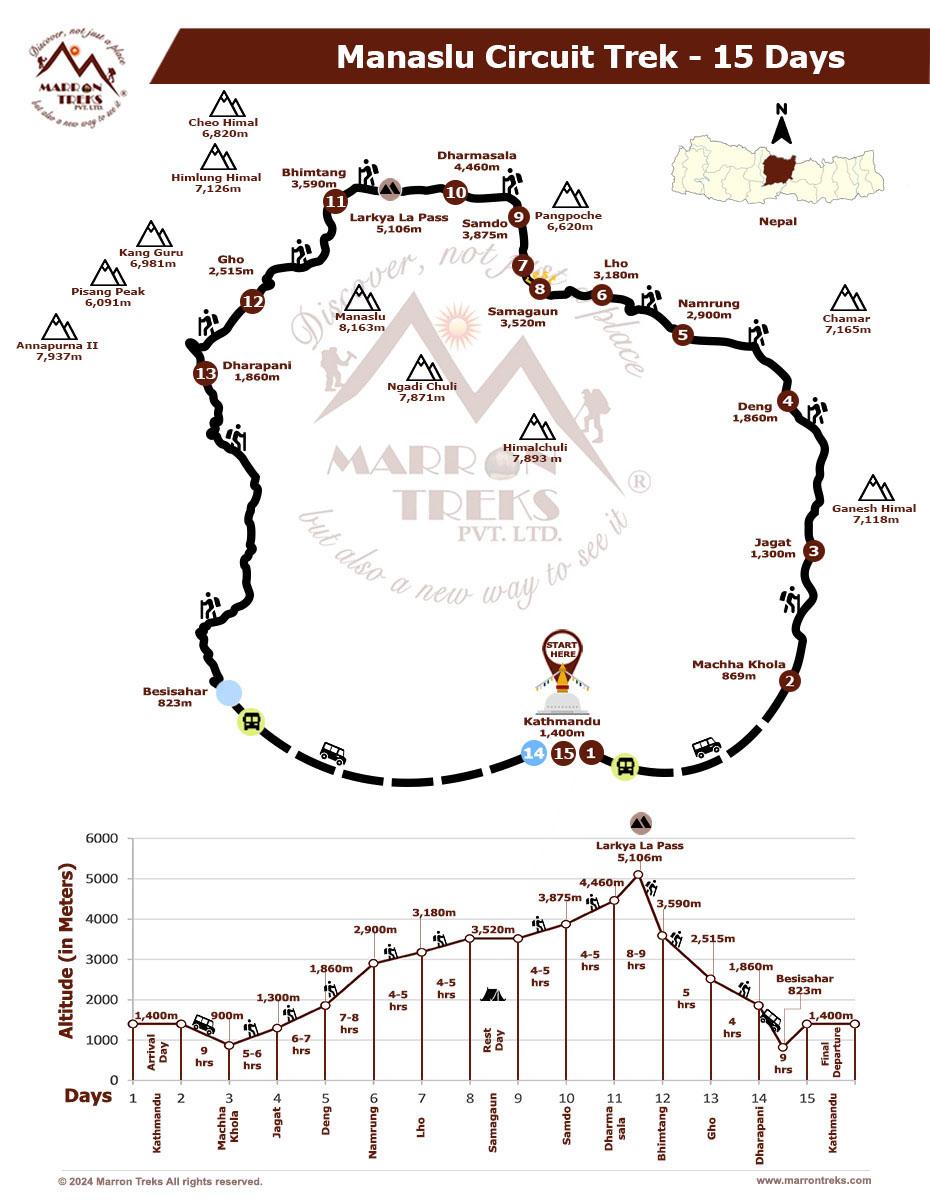
- Day 01: Arrival in Kathmandu (1400m)
- Day 02: Drive from Kathmandu to Machha Khola (869 m/9 hrs)
- Day 03: Trek from Machha Khola to Jagat (1,300m/5-6 hours)
- Day 04: Trek from Jagat to Deng (1,860m/6-7 hrs)
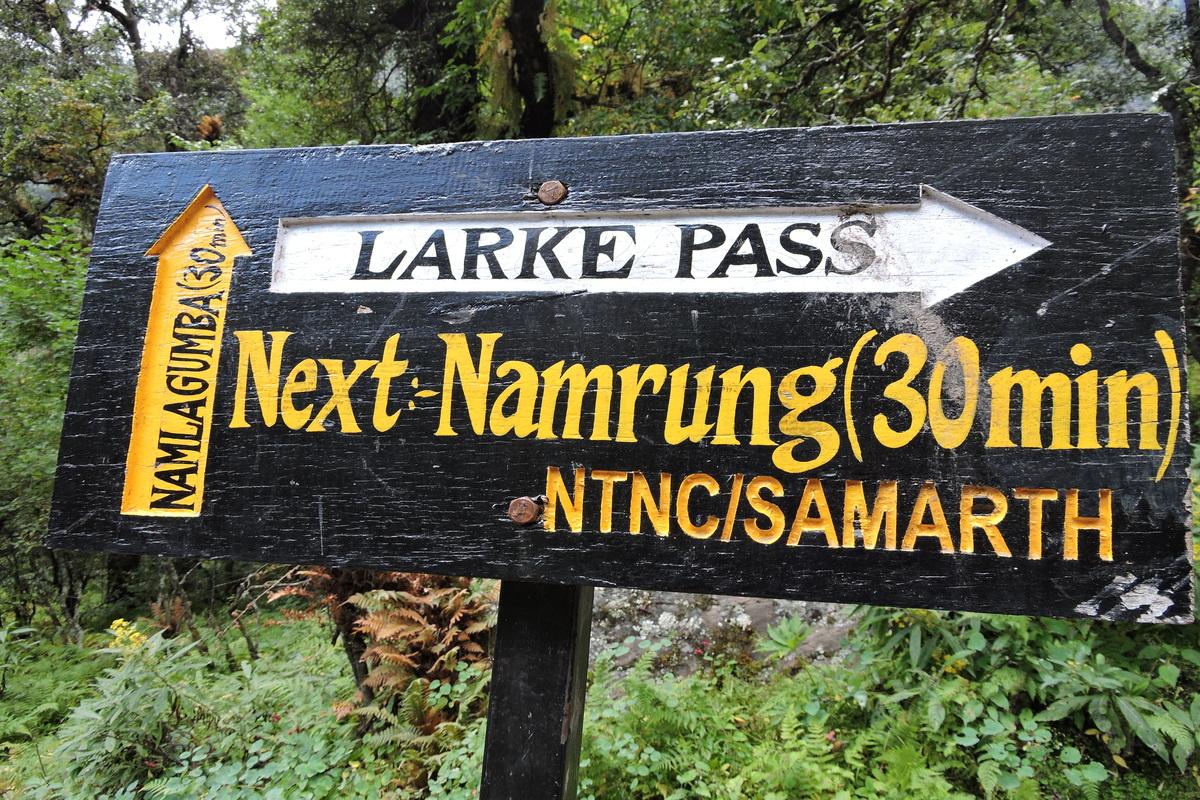
- Day 05: Trek from Deng to Namrung (2900m/7-8 hrs)
- Day 06: Trek from Namrung to Lho (3180m/4-5 hrs)
- Day 07: Trek from Lho to Samagaon (3520m/4-5 hrs)
- Day 08: Acclimatization Day at Samagaun (3520m)
- Day 09: Trek from Samagaon to Samdo (3875m/4-5 hrs)
- Day 10: Trek from Samdo to Dharmasala (4460m/4-5 hrs)
- Day 11: Trek from Dharmasala to Bhimtang (3,720 m) via Larkya La Pass (5,106 m/8-9 hrs)
- Day 12: Trek from Bhimtang to Goa (2,515m/5-6 hrs)
- Day 13: Trek from Goa to Dharapani (1860m/5-6 hours)
- Day 14: Drive from Dharapani to Kathmandu via Besisahar (1400m/9 hrs)
- Day 15: Final Departure
Best Time for Manaslu Circuit Trek
The best time for a trek to Manaslu is when the weather is clear, and the mountains are visible. You need to choose the right season, which makes your trek even more enjoyable, safer, and hassle-free.
Spring vs Autumn
| Season |
Details |
|
Spring (March to May) |
Temperature is warm and beautiful, rhododendron flowers in bloom, clear mountain views, slight haze in lower areas |
|
Autumn (September to November) |
Stable weather, clear skies, best mountain views, cold nights at high elevation |
Spring (March to May) is the ideal season when the temperature is warm and beautiful. The trail is decorated with rhododendron flowers in bloom, and you will have clear mountain views. The only drawback is that there might be a bit of haze in lower areas.
Autumn (September to November)
The best time for Manaslu Trek is when the weather is stable with clear skies, and the mountain views are at their best. Nights can be cold since Manaslu is at a high elevation, and trekking conditions are perfect. It is considered the best time for trekking in Nepal.
Weather and Visibility
Mostly the weather is stable both in spring and autumn. The mountains are visible as you trek along with spectacular views of Mt. Manaslu (8,163 meters) - the world's eighth-highest mountain, and surrounding peaks. Mornings and nights can be cold at higher elevations, but daytime is mild and good for walking.
Avoid monsoon/winter.
Summer/Monsoon (June to August) receives heavy rainfall, which causes landslides and slippery trails. This makes trekking even more difficult. Winter (December to February) is the coldest month when high passes are blocked with heavy snow. This makes trekking risky. Both monsoon and winter seasons are to be avoided.
|
Spring temperatures |
0–20°C in lower areas |
5 to 10°C above 4,000 m |
|
Autumn temperatures |
5–15°C at mid-altitude |
-10 to 5°C at Larke Pass |
|
Summer/Monsoon temperatures |
15–25°C at low altitudes |
0–10°C above 4,000 m |
|
Winter temperatures |
-10 to 5°C at mid-altitude |
-20°C or lower at Larke Pass |
Difficulty, Preparation & Packing
The Manaslu Circuit Trek, aka the Larkya La Pass trek, is a challenging and strenuous trek. The trek is in the remote region of Nepal, taking you to high altitudes. But don’t worry; with good physical preparation and mental preparedness, you will surely complete the trek with no trouble.
Trek Difficulty Level
It’s a challenging trek with an average daily walking hour of 6-7 hours on rough trails and at times steep sections. You will reach the trek’s highest point at Larkya La Pass (5,160m) which is one of the longest high mountain passes in Nepal. The air is thin, making crossing challenging. Walking slowly and steadily at one pace is the key in crossing Larkya.
Fitness Needed
A good fitness level is a requirement for the trek. You can go walking and hiking daily, or simple exercises like cardio and climbing stairs are suggested. The training should start at least 2 weeks before your trek’s departure. Good stamina and strong legs are what get you going on a trek.
Packing Essentials
Choosing the right gear is important since you can be encountering bad weather, cold temperatures, or rough terrain. You should pack warm clothing like a down jacket and thermal layers and good trekking shoes, including day-to-day items like water bottles, sunscreen, and water purification tablets. Weather can change at any minute in the mountains, so always be prepared.
“Prepare well with our trekking packing list Nepal.”
Altitude Sickness & Tips
You can’t ignore AMS (Acute Mountain Sickness), which can occur above 5000 metres, but it can also hit as low as 2400 metres too. Our itinerary is clearly designed with enough acclimatisation days to lower the chances of AMS. You can stay safe and avoid altitude sickness by following the below.
- Walk slowly and don’t rush
- Drink plenty of water
- Take rest days for acclimatization
- Listen to your body and tell your guide if you feel unwell
Health & Safety on Manaslu Trek
Staying healthy and safe is what makes or breaks your trek and allows you to enjoy and witness the beautiful Manaslu region without unnecessary risks. You should not ignore any health issues and listen to your guide while on the trek. Here are some tips to follow:
Watch for altitude sickness
It can occur at the trek’s highest point, like Larkya La Pass (5,106 m). You need to go slow, drink plenty of water, and rest often. Look out for signs like headache, nausea, dizziness.
Emergency evacuation points
In case of the worst conditions and if you need to be evacuated by helicopter, evacuation is from Samagaun or Dharapani, where helicopters can land in case of serious illness. En route, there can be small clinics but with very basic facilities.
Carry a first aid kit
A first-aid kit should include basic medicine for headache, stomach issues, bandages, antiseptic, and any personal medicine. Our trek guide carries a first aid box that has all the necessary medications.
Listen to your body
Don’t push too hard, and if you are feeling very unwell, talk to your guide and descend immediately.
Stay informed
You should follow your guides’ advice since they know the trail and weather best and have trekked in the region many times. Don’t leave your trek group and wander off on your own.
Cultural & Local Experience
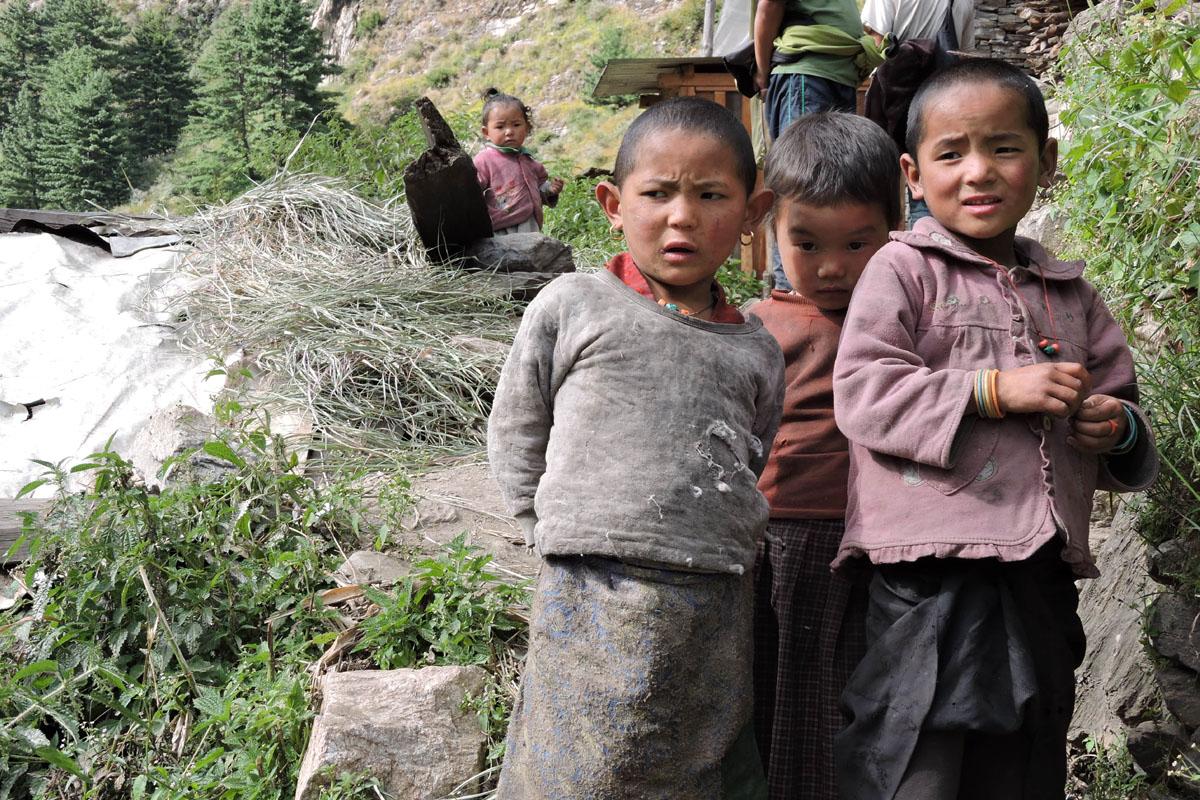
Trekking in the Manaslu region, you will mainly find communities heavily influenced by Tibetan Buddhist culture, especially in the higher region. In the lower regions, there is also some Hindu-influenced culture, primarily with the Gurung community.
Trekking in Manaslu is also about meeting people from different communities and seeing their way of life, which hasn’t changed much for ages. Experiencing local culture is another highlight of the Manaslu region, making your trek even richer and unforgettable.
Local villages & traditions
You’ll pass many small villages where people have simple lives. Visit the local Buddhist monasteries such as Shyala Monastery (4050m), which can be reached from Samagaon and a side excursion of about a 3-4 hours hike.
If you’re lucky, you might witness local festivals like the Saga Dawa Festival, celebrated in May/June (the full moon of the fourth Tibetan lunar month) each year celebrated in the Manaslu region.
Interaction with locals
If you strike up a conversation with locals, you will find them friendly and welcoming. You can simply greet them with a smile. Usually, they do not hesitate to talk about things you are interested in like their culture and traditions.
Cultural etiquette
You need to dress modestly, asking before taking photos is a good gesture, and follow monastery rules like removing shoes.
Scenic Highlights & Photography Tips
The Manaslu region has abundant scenic highlights, from a close-up view of Mt. Manaslu to the wonderful Larkya-La pass, including the Tibetan-influenced village of Samagaon. You will have many opportunities for scenic photography en route to your trek, telling the story of both the mountains and the people living there.
Key viewpoints
The key viewpoints during the trek are where you can observe a spectacular Himalayan panorama and beautiful landscapes.
Larkya La Pass (5,106m)
The trek’s highest point provides a 360-degree mountain panorama of the peaks like Manaslu (8,163 m), Himlung Himal (7,126 m), Cheo Himal (6,820 m), Kang Guru (6,981 m), Annapurna II (7,937 m), Gyaji Kung (7,030 m), and Larkya Peak. Manaslu Circuit Trek itinerary
Manaslu (8,163 m) - 8th highest mountain in the world
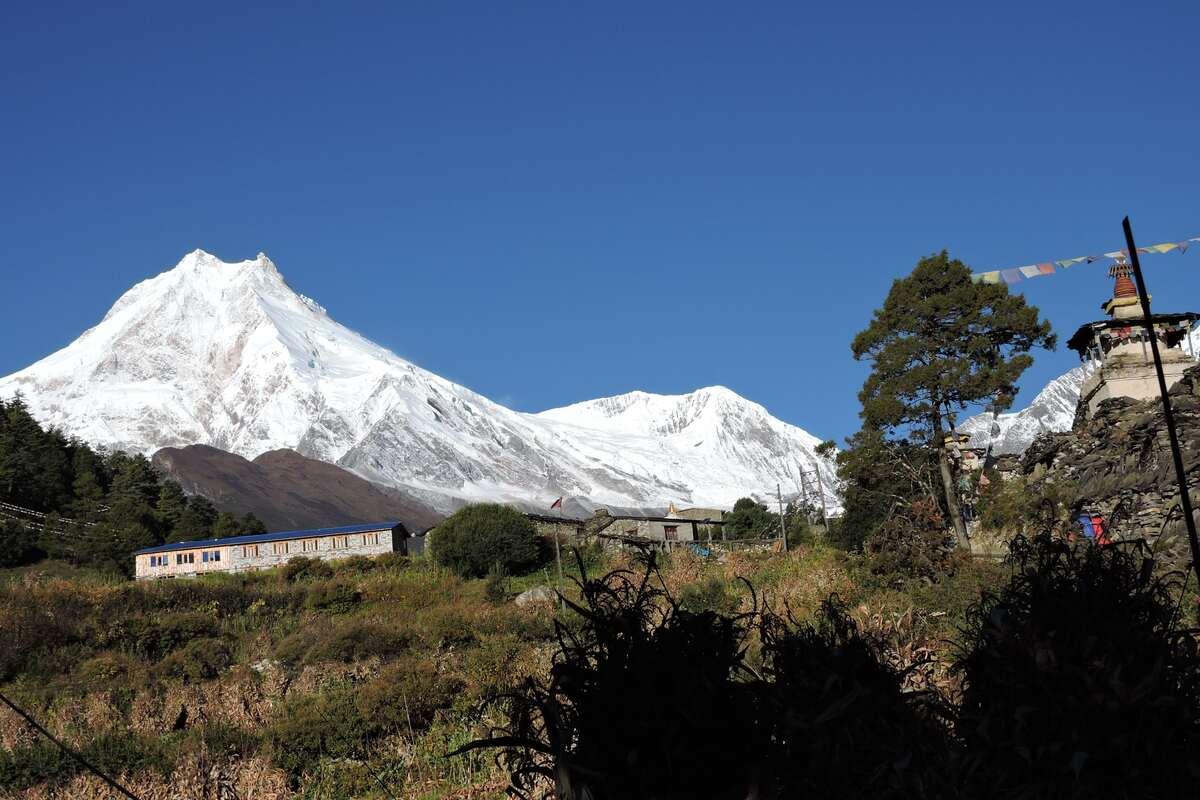
Observe Mt. Manaslu while trekking from the mid- to upper region on the trail. The best view appears between Lho and Samagaon villages and also during a side trip to Manaslu Base Camp.
Birendra Lake & Manaslu Base Camp
Visit the turquoise Birendra Lake at 4,400m near Samagaon as an acclimatization walk. Or you can take a side excursion to Manaslu Base Camp (4800m/6-7 hrs)
Bhimthang
Take a scenic photographic walk in Bhimthang, a large valley surrounded by peaks like Manaslu, Cheo Himal, and Lamjung Himal.
Samagaun village
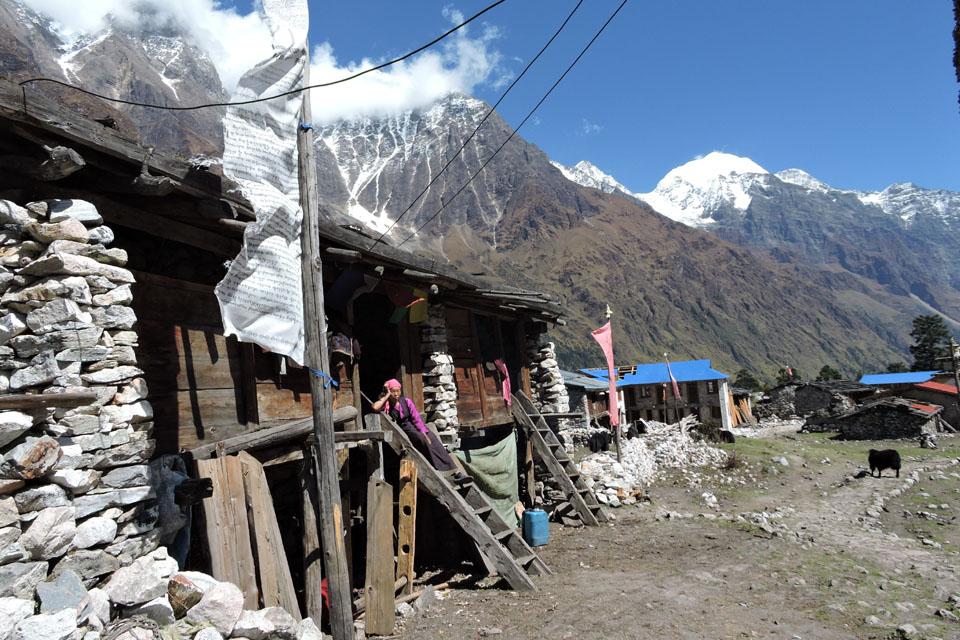
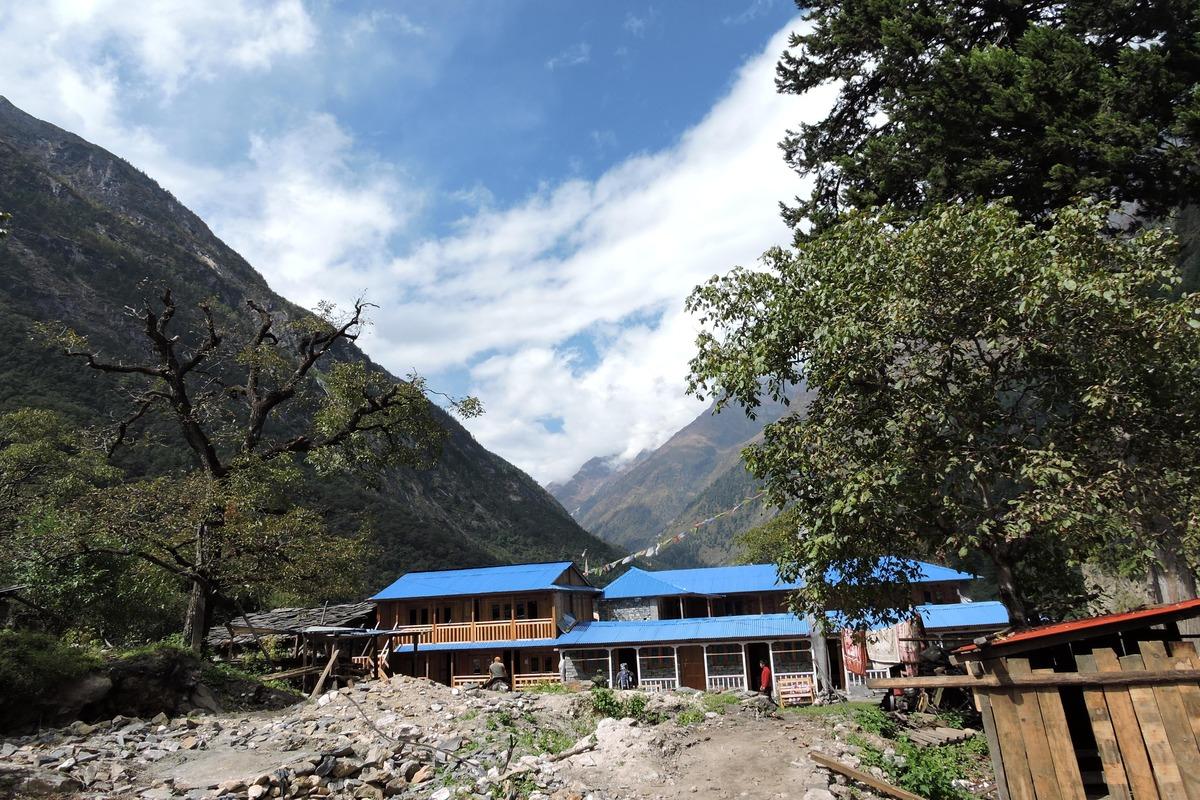
Great snap of the high mountain village where traditional stone houses with prayer flags against the mountains are located. Golden hours are during sunrise or sunset.
Best time for photography
Choose spring or autumn for a great photograph in the Manaslu region. You can expect a good mountain view and clear skies.
Spring (March – May)
The weather is clear and colourful with the blooming of rhododendron flowers in red, pink, and white. You can get your best shots of flowers, mountains, and villages.
Autumn (September – November)
The best season for photography with clear skies and majestic mountain views. Forests and fields will turn into golden colours, and almost every day, perfect lighting for great photography. Great snap of mountain panoramas, local life, and spectacular sunrise and sunset.
Best photo spots on the Manaslu Circuit
| Location |
What to Expect |
|
Soti Khola to Jagat |
River & Waterfalls |
|
Deng & Namrung |
First Mountain Views |
|
First Mountain Views |
Classic Manaslu View |
| Samagaon |
Culture + Mountains |
|
Birendra Lake |
Turquoise Water |
|
Samdo |
High Himalayan Life |
|
Larkya La Pass (5,106m |
Best Overall Spot |
| Bimthang | After the Pass Magic |
Tips for gear & lighting
- Keep your gear light but useful (you’ll be walking many hours daily).
- Camera: Mirrorless or DSLR (even a good phone works if you travel light)
- Lenses: Wide-angle (for big mountain views - Zoom (for peaks, people, wildlife)
- Tripod: Small and light (for sunrise/sunset & night shots)
- Extra batteries: Cold weather drains them fast
- Memory cards: Carry extras, no shops on the trail
Note: Don’t overpack — weight matters a lot on this trek
Connectivity & WiFi on Manaslu Trek
Since Manaslu is a remote location, mobile networks are limited and unreliable, with fading signals at higher elevation. Wi-fi is available at some places with an extra cost.
Mobile network (NTC/Ncell): NTC (government operated mobile company) has better connectivity than Ncell (Private mobile company) But above 3500 meters, connectivity will be less for both.
WiFi availability in teahouses: Wi-fi is available at places like Namrung, Samagaun, and Dharapani, but comes with a price, from USD 2 to 10 per device per day.
Satellite options for emergencies: Satellite phones are the only option for emergencies, especially near high passes.
|
Location |
Mobile Network |
WiFi in Teahouses |
|
Jagat (1,300 m) |
NTC / Ncell – good |
Usually available |
|
Deng (1,860 m) |
NTC – fair, Ncell – weak |
Some teahouses, slow |
|
Namrung (2,630 m) |
NTC – fair, Ncell – weak |
Limited, usually paid |
|
Samagaun (3,530 m) |
NTC – weak, Ncell – weak |
Few teahouses, often paid |
|
Samdo (3,860 m) |
NTC – very weak |
Rare, mostly offline |
|
Larkya La Pass |
No signal |
No WiFi |
Why Choose Marron Treks
Choosing the right company like Marron Treks makes all the difference for a remote and challenging trek like Manaslu.
- Local Experts: We know the best trails, teahouses, and safe routes across Manaslu.
- Safety First Trained: Guides, first-aid support, and proper acclimatization for high altitude.
- Experienced Guides: Skilled, English-speaking guides with deep local knowledge.
- All Permits Handled: We manage RAP, ACAP, and MCAP permits—no hassle for you.
- Flexible Itineraries: Customize your trek with extra days or side trips like Tsum Valley.
- More Travel Options: Trekking, jungle safari, cultural tours, and helicopter tours—all in one place.
Itinerary
This 15-day Manaslu Circuit Trek takes you from Kathmandu through villages, forests, and high Himalayas, including the Larkya La Pass, with gradual acclimatization and scenic village stays.
Upon arrival at the Tribhuwan International Airport in Kathmandu, you will be received by a representative from Marron Treks and transferred to your designated hotel. Welcome drinks will be served at the hotel and after that we have a quick pre-trip meeting to discuss on the necessary formalities and the trekking itineraries. You may then check in to your room and freshen up. In the evening, you can stroll around the vicinity of your hotel to get a superficial glimpse of this great city.
We have to go through Arughat and Soti Khola on our way to Machha Khola today. The nine-hour drive offers a variety of scenery, including rivers, hills, villages, and rice farm settings. The Machh Khola is located in Mid-West Nepal's Gorkha district. As one travels into warmer climates, they pass by numerous farming communities and cities along the Trisuli and Budi Gandakii rivers. Spend the night in a nearby guest home overlooking a stunning valley.
Today’s trail follows the course of the Buri Gandaki River. The route necessitates us to traverse up and down the ridges. Eventually the river valley widens and then we proceed for a pleasant walk along the easy trail to Jagat (1300m), a compact village with a beautiful flagstone square.
This is the day that you will encounter multiple settlements. You will first ascend a valley to arrive to Sirdibas settlement. Enjoy the top of the Shringi Himal hills from here. Philim is the next village you will come to. Here, keep an eye out for the terraced fields. Proceed on foot towards Chisapani, our typical lunch stop.
The majority of the villagers are Tibetan native people, whose primary means of subsistence are agriculture and animal husbandry, with oats and nuts serving as fruits and barley and maize as crops.
Afterwards, you will hike through Pewa hamlet and on into the valley, passing a small campsite before arriving at Deng, the little town that is your destination for the day.
The hike will begin early from Deng and take you across a river and up a hill. Mani stones can be seen in the little settlements along the trail as it continues.
Every stone bears a Buddhist mantra, signifying that you are approaching an area influenced by Tibetan culture. Today, we journey through several villages, including Ghap, Ghapsya, Bihi Phedi, and Rana Gaun. Savor the customary lifestyle and communities.
With the sounds of insects and mules, the road continues into the deep woodlands. It will take a few hours to arrive at Namrung.
You will be treated to a breathtaking view of the mountains during today's climb, including Himalchuli, the Shring Range, Mount Manaslu, and others. We hike through Sho Gaun and Lihi.
Ultimately, the settlement of Lo Gaun will recognize you thanks to a lengthy stone Mani wall. We set up a lunch camp today along with a quick hike. You could climb to Ribung Gompa in the afternoon.
The trip begins from Lho Gaun and travels along a trail to the 3500-meter-high Shyala hamlet, which offers breathtaking views of Mt. Manaslu.
The path continues in the direction of Samagaun's village. Throughout the walk, this is one of the most picturesque settlements you will come across. free this afternoon.
You will spend today at Samagaun getting used to the altitude. You will go to the Manaslu Base Camp (4800m) if you would like to hike for the entire day to acclimate. You can finish this round-trip in roughly seven or eight hours. If you choose the half-day hike, you can reach Birendra Tal or the glacier that spans the valley. You'll spend the night back in Samagaun.
The trail will quickly pass fields today and then progressively climb. When you arrive in Samdo, a tiny Tibetan refugee settlement, keep an eye out for the breathtaking view of the Manaslu. This community is quite near the border with Tibet.
After breakfast in Samdo, there's a Tibetan market called Larke Bazaar, which is open during specific seasons.
After that, you'll descend to the Budi Gandaki River and over a wooden bridge. Next, you'll hike up and see the breathtaking views of the Larkya Glacier while walking across two streams. Next, you will circumnavigate the Salka Khola valley and ascend once more to arrive to Dharamsala, also called Larke Phedi. You will be preparing for the major, exhausting day—the climb to the Larke-La pass—tomorrow.
It's going to be an exhausting day. After departing from Dharmasala, you will progressively ascend to Cho Chanda and then continue on to the Larkya La Pass.
From the pass, there are spectacular views of Himlung Himal (7126 meters), Cheo Himal (6820 meters), Gyagi Kung, Kang Koru (6981 meters), and Annapurna II (7937 meters). You will arrive at Bhimtang for the night by walking across the steppe.
Today will be a delightful walk on the steady downward to reach our overnight destination at Goa, after a strenuous climb up the Larkya-La pass. The location is surrounded by forests; to get to Gho, walk from Bimthang through immaculate forests with rhododendron, pine, and oak tree lines, passing by various farm shades.
It is much simpler to walk in the morning from Goa to the Manang region in Telje village along the Marysangdi River, as the trip is mostly downhill. On the Annapurna Circuit walking circuit, Dharapani is a sizable community with a multitude of exquisite resorts. The internationally renowned Annapurna circuit path is combined with the Manaslu circuit trekking trail. Once the Larkya La pass is completed, if you have enough time, you might head towards the Annapurna circuit. You will have to spend your final day in the highlands in one of the most picturesque settlements, Dharapani.
We will travel to Besisahar by local shared jeep after breakfast; the trip takes two to three hours. We will then travel back to Kathmandu, which will take about six or seven hours. We strongly advise taking a private vehicle from Besisahar to Kathmandu in addition to using local transportation. We will end our amazing journey in Kathmandu.
Today is your final day in Nepal. A representative of Marron Treks will escort you to the Tribhuwan International Airport, three hours to your flight schedule. As we reluctantly wave goodbye to each other, let’s make a wish to stumble upon one another very soon. Have a safe flight back home and we look forward to being your travel companion in Nepal again.
What is included?
- Airport pick-up and drop services.
- Hotel accommodations in Kathmandu on Twin-Share Basis with breakfast.
- Kathmandu/Machha Khola & Dharapani/Kathmandu transfers by private vehicle.
- All trekking accommodations with Breakfast/Lunch/Dinner at local lodges.
- A comprehensive medical kit (will be carried by the trekking guide).
- Experienced Government licensed English Speaking Guide & Porter (1 porter for two people) including their food, accommodation, salary & insurance.
- Manaslu trek special permit & TIMS (Trekkers' Information Management System)
- Manaslu & Annapurna conservation area permit.
- Four seasonal sleeping bags (to be returned after trip completion) & Marron Treks duffel bags.
- Farewell dinner with live Nepalese cultural program.
- All government and local taxes
What is not included?
- International airfare
- Nepal entry visa fee – Visa can be obtained upon your arrival at the Tribhuwan International Airport in Kathmandu. (USD30 for 15 days)
- Lunch & dinner in Kathmandu
- Personal travel insurance.
- Emergency rescue evacuation (to be covered by the client's travel insurance).
- Other expenses of personal nature (phone calls, laundry, battery recharge, bottle or boiled water, hot shower etc.)
- Cost incurred due to the addition of extra days or change in the real course of the itinerary because of bad weather conditions, political turmoil or any other unforeseen contingencies.
- Bar bills, alcoholic drinks & beverages.
- Tips for guides and porters (Tipping is expected).
Route Map
FAQ's
What is the Manaslu Circuit Trek?
Manaslu Circuit Trek is a popular and adventurous trekking route in Nepal that takes you around Mount Manaslu, the eighth highest mountain in the world. The trek offers stunning views of the Himalayan peaks, diverse landscapes, and opportunities to explore local cultures and traditions.
Where is the location of the Manaslu Circuit Trek?
The Manaslu Circuit Trek, which circles Mt. Manaslu (8163 m), the eighth- highest summit in the world, is located in the Gorkha District of western Nepal. It is one of Nepal’s most picturesque and culturally significant trekking trails, which is located close to the Tibetan border.
What is the duration of the Manaslu Circuit Trek?
The journey begins and ends in Kathmandu that lasts for a total of 15 days, including 14 nights. Marron Treks has carefully planned this itinerary to provide appropriate acclimatization and a pleasant trekking pace.
What is the trek’s highest point?
One of Nepal’s most striking Himalayan passes, Larkya La Pass (5160m) is the highest point and provides stunning views of the Himlung Himal, Cheo Himal, Kang Guru, and Annapurna II.
Is the Manaslu Circuit Trek difficult?
The Manaslu trek is regarded as moderate to difficult. It is appropriate for trekkers who have excellent physical health, prior trekking experience (advised but not mandatory), and the capacity to walk six to eight hours a day.
Does the Manaslu Trek require any specific permits?
Indeed. Manaslu Restricted Area permit (RAP), Manaslu Conservation Area Permit (MCAP), and Annapurna Conservation Area Permit (ACAP) are the necessary permits. All of your permits will be arranged by Marron Treks.
Is a guide mandatory for the Manaslu Circuit Trek?
Indeed. Government rules in Nepal mandate that a certified guide is compulsory along with a minimum of two trekkers. Marron Treks provides experienced, government-licensed guides and also handles all logistics.
What kind of accommodation is provided?
The majority of accommodations on the Manaslu Circuit Trek are found in nearby teahouses, which provide twin-sharing rooms with simple but hygienic amenities. In higher-altitude areas, hot showers and charging are typically provided for an additional expense. As per the itinerary, comfortable hotel stays in Kathmandu are included.
What food is provided during the trek?
Typical meals such as Dal Bhat (vegetables, rice, and lentils), pasta, noodles, Tibetan breads, soups, tea, coffee, hot beverages, etc., are provided. Marron Trek guarantees meals that are energy-dense, clean, and safe. For added comfort and personal preferences, you are also free to pack your own food along the journey, such as instant noodles and other items, as per your own taste from your own country.
What time of the year is ideal for the Manaslu Circuit Trek?
The best time to do the Manaslu Circuit Trek is in spring (March-May), when rhododendrons blossom, and there are clear vistas of the mountains, or in the fall (September-November), when visibility is good, and the weather is steady. Trekking during the winter and monsoon seasons can be done, but not advised for beginners due to harsh weather.
What temperatures can I expect on the Manaslu Circuit Trek?
Season and altitude have an impact on the temperature of the Manaslu Circuit trek. In the lower regions temperature ranges from -10°C to -20°C, while in the Larkya La Pass and higher region, it gets to -10°C to -15°C. In order to keep you warm and safe during a winter trek, Marron Treks offers a comprehensive packing list.
What are the chances that you get altitude sickness?
Above 3000 meters, altitude sickness can occur, but the risks are reduced by slow climb, days of acclimatization, and a skilled guide. Marron Treks has a first-aid kit and places safety before speed.
Can the Manaslu Circuit Trek itinerary be customized?
Your Manaslu Circuit Trek can be customized to your pace, interests, and comfort level with Marron Trek’s alternatives, which include extra acclimatization days, private or group treks, and combinations with neighboring routes like the Annapurna Circuit or Tsum Valley.
Is the Manaslu trek harder than the Annapurna Base Camp trek?
Yes, the Manaslu Circuit Trek is harder due to its higher elevation, steeper paths, and greater isolation. Annapurna Base Camp is lower, easier, and more suitable for beginners.
What makes Marron Treks the best option for the Manaslu Circuit Trek?
A safe and well-paced trek is guaranteed by Marron Treks with knowledgeable local porters and guides. We maintain strong local ties with ethical trekking practices and make the Manaslu Circuit Trek safe, fun, and genuinely unforgettable with a focus on authentic Himalayan experiences.
Equipment
Clothes
- Lightweight, moisture-wicking, and breathable clothing during summer (May to July)
- Warm jackets or thermals during winter (Dec to Feb)
- Long-sleeve shirts and pants for sun protection and to cover up during temple visits
- Insulating layers for cooler evenings
- Rain jacket or poncho (especially during the monsoon season, June to Aug)
- Swimsuit (if you plan to use the hotel pools) & Underwear
- Shorts (while walking during the day/weather-dependent)
Essentials
- Money belt or hidden pouch for valuables
- Power adapter and voltage converter (Nepal uses the Type C and Type D electrical plugs)
- Personal medications
- Insect repellent & less colourful clothing (for Chitwan Jungle Safari)
- Sunscreen Lotion
- Lip balm
- Hand sanitizer
- Water bottle
- Toothbrush and toothpaste
- Quick-dry towel
- Camera or smartphone (with charger or power bank)
- Travel pillow and earplugs (for more comfortable rest during long rides)
Trip Info
Accommodation
While you are in Kathmandu, we opt to accommodate you in 4- or 5-star hotels like Hotel Royal Singhi (4-star), Hotel Manaslu (4-star), Radisson (5-star), Yak & Yeti (5-star), or similar. During the trek, you will be accommodated in a local mountain lodge, better known as Tea House. These lodges and teahouses provide good services and are equipped with basic amenities. We will endeavor to provide you with the best accommodation available along the route so that you get a good night’s rest in a hygienic milieu.
Meals
We never compromise the quality of food or the health of the trekkers as well as the crew members. Generally, we opt for the fresh and nutritional local community food available. You could make your delicious pick from an array of traditional foods like sweet potatoes, buckwheat barley, etc. This way, you could not only get a real sense of the local culture and life patterns but also contribute to promoting the locally available resources of organic food and beverages. Besides, a wide range of Continental, Chinese, Italian, and Indian cuisines like pizza, spaghetti, French fries, soups, breads, masala curry, etc. are also available in the restaurants for your retreat.
Acclimatization
Altitude sickness is a serious risk while trekking in the Himalayas. It's important to acclimatize properly by spending a few days at lower altitudes before heading higher. By spending time at lower altitudes before pushing higher, your body has time to adjust. Our trekking packages have enough acclimatization days planned where you'll be spending a day or two at lower altitudes, allowing your body to adjust to the increasing altitude.
Electricity & drinking water
For an additional cost, you can use the electricity in all tea houses and lodges to recharge your batteries. The lodges have packaged mineral water for sale, or you can fill your bottle with boiling water. To make water drinkable, you can use water purification tablets too. But, due to hygienic issues, you should avoid drinking water from taps, rivers, or wells in trekking areas.
Communication
At lodges, restaurants, and hotels, Wi-Fi is available for an additional fee in the most popular trek regions, like Everest and Annapurna. However, at high elevations, phone calls are the only means of connection. Our office in Kathmandu is in constant communication with your trek guide. In Kathmandu, you can purchase a local SIM card for communication purposes. At high elevations, the mobile signal might not be as strong, though.
Luggage
Our porters are paired with one trekker for every two hikers, and one porter can safely carry 30 kg maximum weight. Therefore, we advise you to fill your duffle bag not more than 15 kg with your belongings. You may carry a small backpack with your valuables and informational documents. The things you are not taking along on the trek can be stored in a hotel in Kathmandu free of charge.
Typical Trek Day
Mostly your trek day starts with breakfast at 7-8 am, followed by a 3-4 hour morning trek. Lunch break is around an hour, then you continue trekking to your destination for the day. After reaching the teahouse lodge, you can relax, explore nearby areas, and enjoy dinner at 6-7 pm. Evenings involve socializing, a trek briefing, and leisure activities before bed.
Travel Insurance
It is advised that you arrange your travel insurance before leaving your homeland. The main thing is to make sure that your insurance covers you for both medical and evacuation costs. Having travel insurance with you makes your trip secure and hassle-free.
Our Guides
Guides play a significant role during the trek. They are the ones who literally decipher the trekking codes for you so that you can actually connect with nature, culture, and people along the way. We have helpful and dedicated trekking guides who are very well-versed in the culture, life patterns and every single detail pertaining to the trek region you are traveling in. Thus, in the company of our professional Sherpa guides, your trek becomes not only entertaining but also equally informative.
Porter and Staff Care
When it comes to high-altitude trekking, porters and staff members make up a pivot. Marron Treks ensures that all the porters and staff members going to high altitudes are provided with adequate clothing and equipment. All our field staff are covered by insurance.