Rolwaling Tashi Lapcha Pass Trek
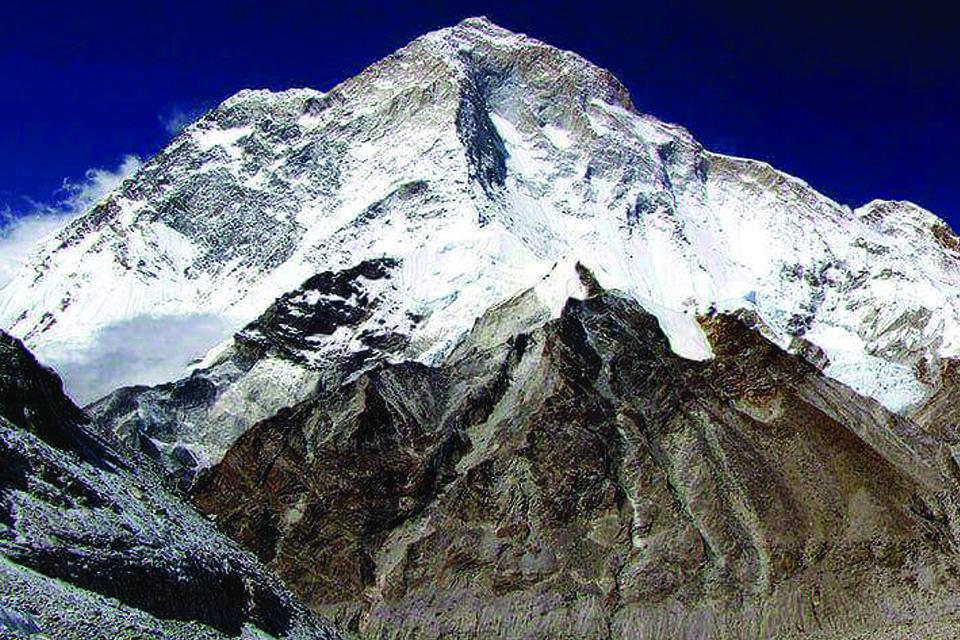
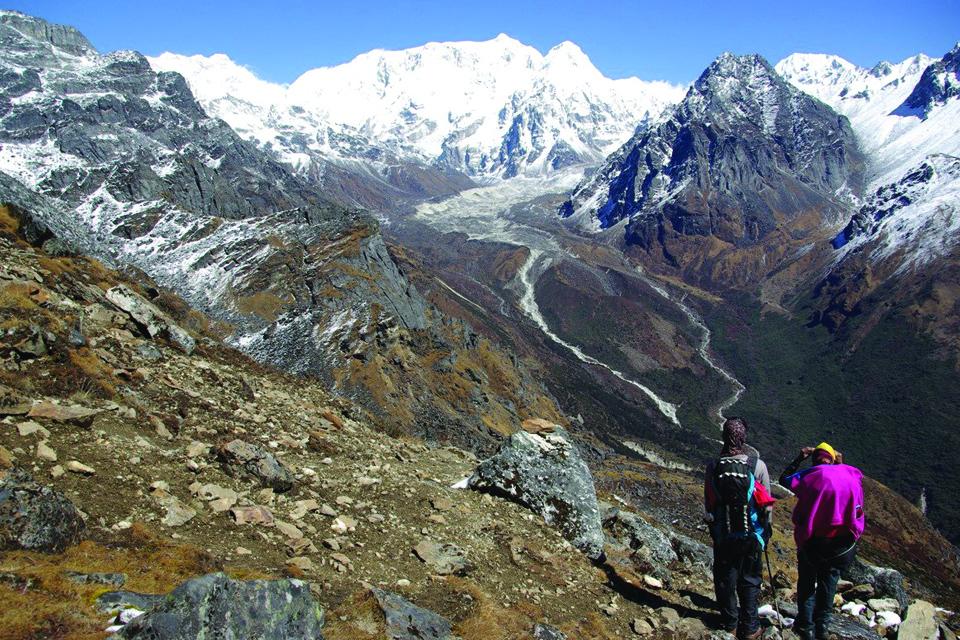
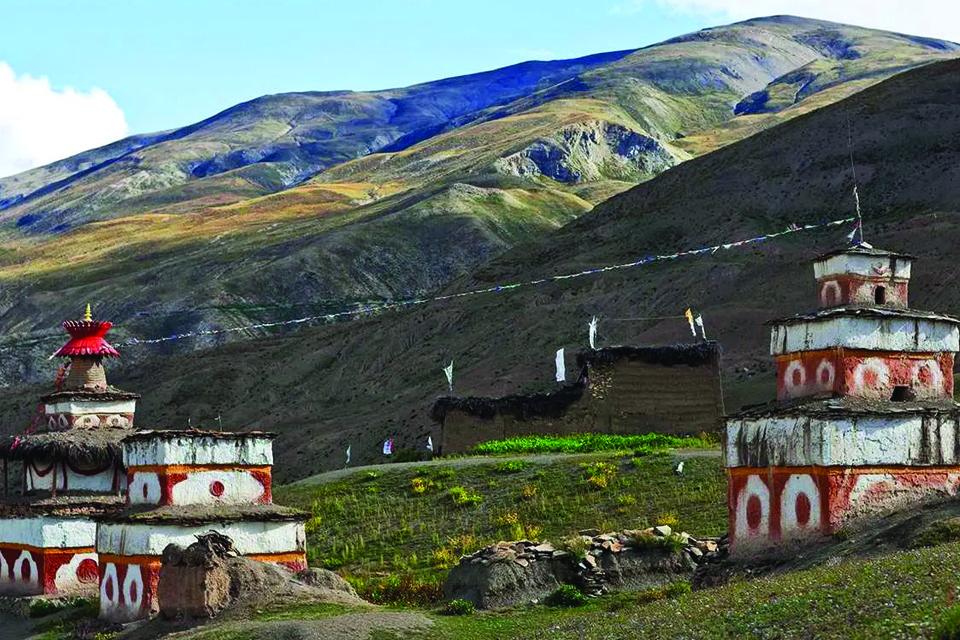
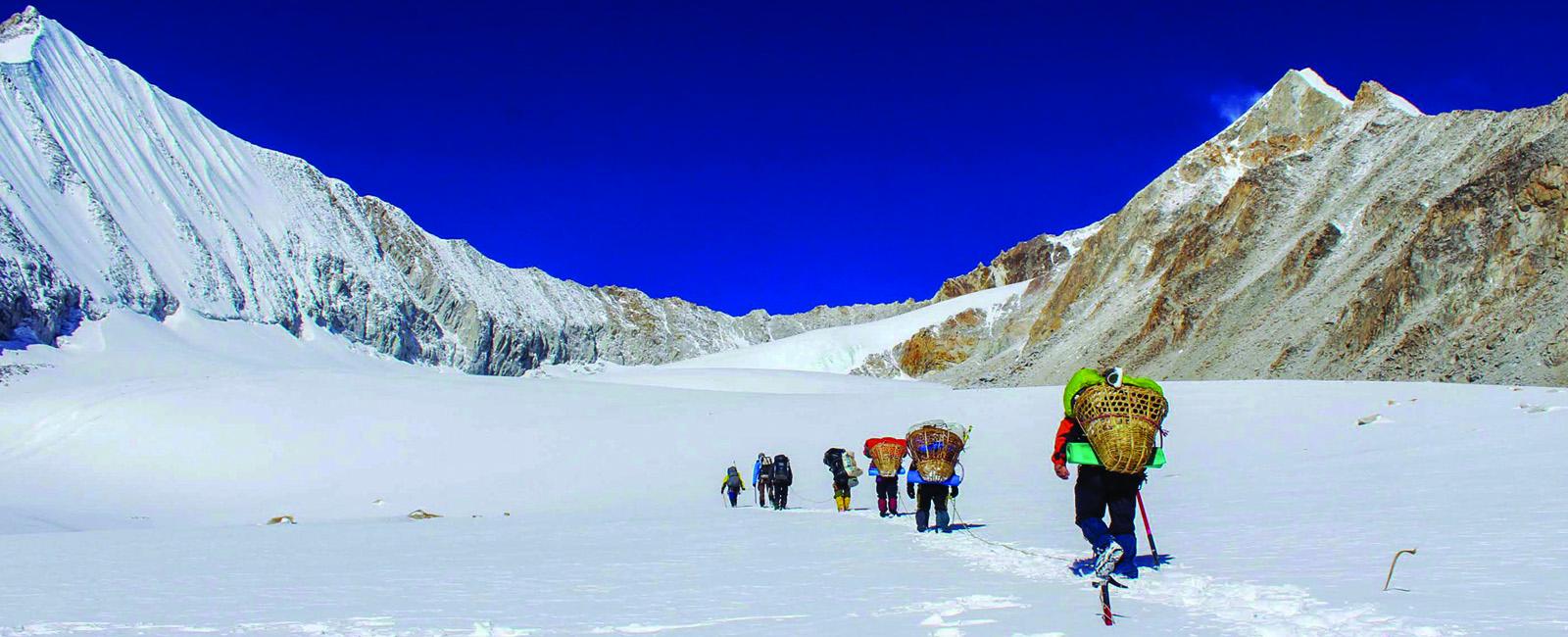
The Rolwaling Tashi Lapcha Pass Trek is a challenging high-altitude adventure that connects the remote Rolwaling Valley with the Everest region. This trek passes through beautiful forests, traditional Sherpa villages like Beding and Na, and the stunning Tsho Rolpa Lake before crossing the difficult Tashi Lapcha Pass (5,755 m), offering amazing mountain views, quiet trails, and a true Himalayan adventure.
Essential Update
- Route Update: The northern trail near Tsho Rolpa is washed out; all trekkers must use the southern route via Chugima.
- Accommodation: Teahouses are available up to Na Gaon, but camping is required across the glacier section.
- Trail Safety: The Trakarding Glacier has loose rocks, ice, and crevasses, so helmets, crampons, and trekking poles are essential.
- Pass Difficulty: Fixed ropes are needed to cross the steep icy section of Tashi Lapcha Pass (5,755m).
- Permit Rules: Independent trekking is not allowed; trekkers need Rolwaling, Gaurishankar, and Sagarmatha permits with climbing support.
Trip at a Glance
-

Country: Nepal
-

Trip grade: Strenuous
-

Destination: East-central Nepal/Everest
-

Activities: Camp/Lodge Trek
-

Accommodation: Tented camps/Hotels
-

Meals: Full-board on trek
-
.png)
Transportation: Private vehicle/Plane
-

Maximum altitude: Tashi Laptsa Pass (5,755m)
-

Group size: 2 travelers
-
.png)
Best Season: Oct, Nov & March, April, May.
What is the Rolwaling Tashi Lapcha Pass Trek
The Rolwaling Tashi Lapcha Pass Trek is one of Nepal’s most adventurous trekking routes. It connects the remote Rolwaling Valley with the popular Everest region. The Rolwaling Valley Nepal is located in eastern Nepal near the Tibetan border.
The Rowaling Valley is often considered a hidden Himalayan valley, less traveled than other popular trek routes in Nepal. Trekking here is a remote and peaceful trekking experience, passing through green forests, alpine meadows, glacial lakes, and striking mountain panoramas. The unique culture and traditions of local communities are another highlight of the trek.
The challenging Tashi Lapcha Pass (5,755 m) connects the Rolwaling Valley and the Khumbu region, making the trek an exciting Everest connection trek. Crossing Tashi Lapcha, the descent takes you to the Everest region, which is a great opportunity to hike in both regions in a single trek.
The Rolwaling trekking experience is a unique Himalayan adventure that combines wilderness, remote high-altitude treks, cultural traditions, and spectacular mountain views. Compared to other crowded routes, the Rolwaling Valley Trek is one of the perfect off-the-beaten-path and remote Nepal trekking experiences.
Why is it Called a Hidden Himalayan Route
Trek to Rolwaling Valley is a hidden Himalayan route that is the least-visited trekking destination in Nepal. The trek route is less crowded compared to popular trek routes like Everest. Trekkers get to enjoy quieter and more peaceful trekking experiences.
The trek is considered a secret trekking Nepal as it lies in a remote region. The traditional villages on the trek have remained unchanged for ages. Walking past these villages gives you an insight into the authentic Himalayan way of life, not seen in other popular routes. Besides, the route passes through diverse and remote landscapes, dense forests, high alpine valleys, glacial lakes, moraines, and rugged mountain terrain.
Trekkers will have a hidden valley experience with towering mountains and isolated trek paths. The Rolwaling remote Himalayan trail offers a true Himalayan natural beauty and adventure not found in other classic trek routes in Nepal.
Rolwaling Valley Trek is one of the best off-the-beaten-path treks in Nepal if you are looking for hidden trek Nepal experience. This offbeat Nepal trekking is a combination of a remote area trek, spectacular Himalayan beauty and authentic culture.
Who is This Trek For
This trek is best suited for those with previous trek experience who can walk in mountainous terrain for several days. A good level of fitness is required to complete the trek.
It’s the right choice for adventure seekers looking for challenging trails and high-altitude treks with wilderness thrown in. If you are looking for challenging treks Nepal with quiet trails and remote areas, this trek is a perfect adventure.
The trek is also a good alternative for trekking in the Everest region, offering wilderness trekking Himalaya in Nepal. The trek is a real challenging treks in Nepal but in a more peaceful setting.
Who Is This Trek NOT For
This trek is not suited for everybody, which is important to know before planning your trek. The trek isn’t the ideal choice for beginners who haven’t trekked before in mountainous terrain with steep and long trails.
Luxury travelers are not advised to take the trek since the accommodation and facilities available are basic and simple. The trek needs a longer duration with proper acclimatization and trek days, so it’s not good if you have only a short holiday.
The trails go to high altitudes, and those afraid of heights or exposure to high altitudes aren’t recommended this trek. Those with low fitness levels aren’t suggested this trek, as it requires longer days of walking daily.
You can opt for more easy treks in Nepal if you are looking for easier Himalayan hiking.
Full Trek Route Breakdown & Map
The trek starts from Kathmandu, proceeding to the remote Rolwaling Valley, and then connects to the Everest region via Tashi Lapcha Pass. The route is a mix of culture and adventure, passing through traditional villages, beautiful valleys, and high mountain landscapes.
The Rolwaling trek route starts from Singati after a drive from Kathmandu, with stopovers in places like Simigaun and Beding. The landscape opens up more and becomes remote as you go higher. Then it reaches the village of Na, the last settlement in Rolwaling Valley.
Following Na, you reach the high-altitude area and then cross the Tashi Lapcha Pass. The Tashi Lapcha crossing route is the most challenging section of the trek, which involves glacier crossing and requires extra caution while walking.
The route finally enters the Everest region after crossing the pass. The trail then descends to Thame, continuing to the popular Sherpa capital, Namche Bazaar. Eventually the trek ends at Lukla, then you fly back to Kathmandu.
Basically, the elevation progression during the trek starts at low altitude from Kathmandu. Then it gradually rises to the Rolwaling Valley and further to Na village as a high-altitude base. The highest point is Tashi Lapcha Pass, then it gradually descends to the Everest region.
This trek is unique since it connects the Rolwaling with the Everest region with a mix of quiet trails, high passes and popular Himalayan towns.
Why Is Tashi Lapcha Pass Famous
Tashi Lapcha Pass is famous as it connects the remote Rolwaling Valley with the busy Everest region. It’s popular among adventure seekers due to the glacier crossing known as the impressive Trakarding Glacier. This adds adventure to the trek not found in other standard trails.
With an altitude of about 5755 meters, the pass itself is challenging to cross. The journey to Tashi Lapcha passes along remote villages, untouched wilderness, glaciers, alpine lakes, rugged landscapes and dramatic mountain panoramas.
Tashi Lapcha is popular among adventure trekkers who want more challenges than a usual trek. The pass offers technical trekking, glacier crossing, and spectacular panoramas with Rolwaling and Everest connections. It’s one of the best and off-the-beatan High-pass treks in Nepal.
Trek Difficulty & Required Fitness Level
The Rolwaling trek difficulty is categorized as a challenging trek. The trek is done at high altitude with long walking days and ultimately crossing a technical mountain pass. It is difficult compared to other popular routes.
The walk is usually 5 to 8 hours, and some days are even longer. En route, you need to go through steep ascents, rocky paths, and glacier terrain. Facilities are limited in the remote section of the trek. It requires good physical fitness and previous trek experience to complete the trek.
The most challenging part is crossing the Tashi Lapcha Pass and the Trakarding Glacier. Ropes may be required to cross the pass depending on the season at certain points. It requires walking on snow, ice, or loose rocks on some sections.
Another major challenge is the altitude, with the pass reaching 5775 meters. You need to acclimatize properly with a gradual ascent.
The trek is more demanding compared to the Everest Base Camp trek due to it’s remoteness and technical sections. It is slightly less challenging than Everest three passes trek, where three mountain passes need to be crossed. The Rolwaling trek is the best choice for trekkers looking for technical Himalayan trekking.
Rolwaling Tashi Lapcha Trek Cost Breakdown
The trek is considered more expensive than normal treks in Nepal. This is due to its remoteness, where only camping is possible, and there’s also a technical glacier crossing involved. A simple breakdown of the cost is as follows.
1. Permit Fees
|
Permit Type |
Estimated Cost |
|
Rolwaling Restricted Area Permit |
USD 20 per person/week |
|
Gaurishankar Conservation Area Permit |
USD 22 |
|
Everest National Park permit |
USD 22 |
|
Khumbu Rural Municipality Entry Permit |
USD 15 |
|
TIMS Card (if required) |
USD 10 |
Permits are mandatory to enter the protected areas.
2. Guide and Porter Costs
|
Service |
Daily Cost |
|
Licensed trekking guide |
USD 30–40 per day |
|
Porter |
USD 20–30 per day |
It’s highly recommended to go with a guide, as the trek is in a remote area and also involves glacier crossing. Porters help to carry heavy loads.
3. Accommodation (Camping)
Lodges exist only in the Everest region, and it’s a full camping trek in Rolwaling.
|
Type |
Cost |
|
Camping arrangement |
USD 80–100 per day (basic estimate) |
The camping trek requires a guest tent, a staff tent, a kitchen tent, a dining tent, a toilet tent, including kitchen equipment with a cook and kitchen helpers.
4. Food Costs
|
Item |
Daily Cost |
|
Meals (breakfast, lunch, dinner) |
USD 35–45 per day |
Proper food isn’t available in the remote areas, and everything needs to be carried by porters.
5. Transport Costs
|
Route |
Estimated Cost |
|
Kathmandu to trailhead (jeep) |
USD 150–180 |
|
Lukla/Kathmandu flight |
USD 320 (with guide) |
6. Camping Equipment & Logistics
|
Item |
Cost Impact |
|
Tents, kitchen gear, ropes |
Usually included in package |
|
Fuel, cooking staff, safety gear |
Usually included in package |
The trek isn’t a lodge-based trek, so it is more expensive. It involves extra staff like a cook, kitchen helpers, and more porters to carry loads besides the trek guide. Crossing a glacier requires technical equipment and safety gear. All the food supplies need to be carried from the start of the trek. These are the reasons that increase the total trek cost.
Why Choose Marron Treks for the Rolwaling Tashi Lapcha Pass Trek
Trekking in the Rolwaling isn’t like trekking in the normal trek routes in Nepal. We are the right Rolwaling trekking company with high trek success and safety.
- Experienced High-Altitude Mountain Guides
Our team consists of expert mountain guides with years of experience in high-altitude and technical treks. They have full knowledge of both the Rolwaling and the Everest regions. They are experts on the Tashi Lapcha Pass and crossing the glacier sections.
- Strong Local Knowledge and Route Experience
We are one of the trusted trekking agency Nepal with strong expertise on Rolwaling and Everest connection routes. We know the Rolwaling difficult terrains, handling changing weather, and the right time for the pass crossing.
- Proper Permits and Full Logistics Support
We handle all required permits and full logistics from transportation to food, camping, and trek crew. We, as a licensed Himalayan operator, take these factors seriously since services are very limited in remote areas like Rolwaling.
- Safety-First Glacier Crossing Plan
The most technical section of the trek is crossing the Trakarding Glacier. We first concentrate on a safety approach and safe movement rather than fast progress. Proper rope support and route checking are followed.
- Emergency and Evacuation Support
We are a safe expedition company Nepal with emergency planning for any situations in the mountains, like altitude sickness or injuries, for safe evacuation. Safety is our top priority, which is most essential for remote treks.
- Local Support Team in Both Regions
We have local support both in the Rolwaling and Everest regions. With smooth communication and better management, the success rates of our Tashi Lapcha guided trek Nepal are high.
- Flexible and Realistic Itineraries
Our itineraries have enough acclimatization days and are designed researching the walking hours, walking terrains, and weather conditions with more realistic approaches. This makes the trek safer and with less risk.
Itinerary
Experience the breathtaking Rolwaling Valley and cross the challenging Tashi Lapcha Pass on this 20-day adventure trek connecting the hidden beauty of Rolwaling with the Everest region.
Upon arrival at Tribhuvan International Airport, Marron representatives will welcome you and transfer you to your hotel in Kathmandu. Kathmandu is the capital city with a rich culture and history, having seven UNESCO World Heritage Sites.
After hotel check-in, you can stroll around your neighborhood or rest at your hotel after your flight. If you are exploring around the bustling streets, ancient temples, and colorful markets add more energy to your adventure, which lies ahead.
Guide Pro-Tip: ‘First Day in Nepal’
(Nara Bahadur Bhujel- Lead Trek Guide at Marron Treks)
“My suggestion is to take a good rest and stay hydrated, as it will help you to perform better in the mountains, but you can still take small walks around your hotel."
Max. Altitude: 1,400 m
Meals: Not Included
Accommodation: Hotel
Today is the preparation day for any last-minute shopping for the trek. After breakfast, your trek guide will give a detailed briefing about the trek and check your equipment. This is the right time to ask any questions to your trek guide and buy or rent any missing gear or clothing.
After the trek briefing, you can alternatively visit the UNESCO World Heritage Sites or rest at your hotel to be ready for the next day’s long drive to the trek start point from Kathmandu.
Guide Pro-Tip: ‘Pack Smart’
(Nara Bahadur Bhujel- Lead Trek Guide at Marron Treks)
“Pack smart and only the right things that you need. Your daypack should be light and not to forget a water bottle, sunscreen and warm clothing.”
Max. Altitude: 1,400 m
Meals: Breakfast
Accommodation: Hotel
Early in the morning, the journey begins after a quick breakfast with a scenic drive east of Kathmandu to the Rolwaling Valley. The road leaves the bustling city and passes along terraced hillsides, small towns and villages and green river valleys.
As you drive, you will notice occasional views of the snow-capped mountains on the horizon. En route, you will observe everyday life in the Nepal countryside with farmers working on fields and small-town teashops in operation.
The final section of the drive is off-road to reach Singati. It’s a living trading town and the gateway to the Rolwaling region.
Guide Pro-Tip: ‘Gateway to Rolwaling’
(Nara Bahadur Bhujel- Lead Trek Guide at Marron Treks)
“Today’s drive gives you a glimpse into Nepal’s countryside. See the transformation of landscapes from busy Kathmandu to remote mountain villages.”
Today is the start day of your trek from Singati, following the Tama Koshi River upstream. The trail passes through terraced farmlands, traditional villages, and pine and broadleaf forests.
The route today gives you the feel of Himalayan trekking. You will cross several suspension bridges over the deep river gorges and pass by waterfalls tumbling from steep cliffs. As you go deeper into the Rolwaling valley, the landscapes become more dramatic. Soon Jagat is reached, a beautiful mountain village located above the river. The ambiance here is peaceful, surrounded by green hills and traditional Nepalese homes.
Guide Pro-Tip: 'Find Your Trekking Pace'
(Nara Bahadur Bhujel- Lead Trek Guide at Marron Treks)
“Most people walk fast on the first day. I suggest not doing so and advise finding your comfortable rhythm. You need to save your energy for the higher sections.”
Max. Altitude: 1,440 m
Walking Hours: 6 Hours
Meals: Breakfast, Lunch, Dinner
Accommodation: Tented Camp
Today is a steady climb to Simigaon, located in the lower Rolwaling Valley and one of the important Sherpa villages. You ascend through terraced fields and forested ridges with spectacular mountain views. The Tama Koshi Rivers roar far below as you gain elevation with beautiful valley panoramas.
The trail passes by traditional houses, prayer flags and Buddhist chortens, giving a hint that you are entering a Tibetan-influenced region. Simigaon is located on a beautiful ridge offering good views of the valley.
Guide Pro-Tip: 'First Big Views'
(Nara Bahadur Bhujel- Lead Trek Guide at Marron Treks)
“Do not focus only on the trail, but do look back, as you might be missing some beautiful valley views."
Max. Altitude: 1,996 m
Walking Hours: 6 Hours
Meals: Breakfast, Lunch, Dinner
Accommodation: Tented Camp
You enter deep into the Rolwaling Valley, leaving the cultivated hillsides and entering the dense mountain forests. You climb steadily through rhododendron, bamboo, and pine forests. There are several streams to cross, fed by waterfalls from the surrounding ridges. You notice the atmosphere becoming quieter and the landscapes wilder. There will be fewer villages, and you'll hear the sounds of birds chirping and roaring rivers. The final ascent will lead to Daldung la, which offers a spectacular view of the valley below. It’s a beautiful campsite today, in a peaceful mountain setting with forested slopes and distant snow-peak mountains.
Guide Pro-Tip: 'Into the Wilderness'
(Nara Bahadur Bhujel- Lead Trek Guide at Marron Treks)
“It’s a transition today from village trekking to real mountain wilderness. Enjoy the silence of the forest and look out for any Himalayan wildlife. You encounter remoteness early in the journey, which few treks in Nepal offer.”
Max. Altitude: 2,850 m
Walking Hours: 6 Hours
Meals: Breakfast, Lunch, Dinner
Accommodation: Tented Camp
The trail today gradually descends alongside the Rolwaling River to Beding. Beding is the largest village in the region. The landscape is now dominated by towering snow-capped peaks on the horizon. You pass by villages with stone-built houses, Mani walls and fluttering prayer flags. It’s a strong indication that the region is heavily influenced by Tibetan Buddhist culture. The mountain views become even more impressive, reaching Beding, with the peaks closer to the valley floor. Beding is another important Sherpa village and the cultural heartland of the region.
Guide Pro-Tip: 'Welcome to High Altitude'
(Nara Bahadur Bhujel- Lead Trek Guide at Marron Treks)
“You need to walk slowly and stay hydrated, as tonight is your first stay over 3500 meters. The best strategy is a gradual approach at high altitude.”
Max. Altitude: 3,694 m
Walking Hours: 4 Hours
Meals: Breakfast, Lunch, Dinner
Accommodation: Teahouse
Today is the acclimatization day for better preparation for the higher elevations ahead. You can take a short hike above Beding rather than staying inactive at the lodge. Great views of the Rolwaling Glacier, alpine landscapes and snow-capped peaks can be seen from the surrounding hills. The side excursion helps you adapt to the changing elevation and reduces the risk of altitude sickness. Returning to Beding, you can explore around the village, visit the local monastery or interact with the curious locals.
Guide Pro-Tip: 'Climb High, Sleep Low'
(Nara Bahadur Bhujel- Lead Trek Guide at Marron Treks)
“Acclimatization day isn’t for rest but to go to the higher elevation during the day and return back to the lower one to sleep. It’s a simple principle while trekking in the Himalayas."
Max. Altitude: Approximately 4,000 m during acclimatization hike
Meals: Breakfast, Lunch, Dinner
Accommodation: Tented Camp
It’s a scenic short trek today. You will trek the upper Rolwaling Valley, passing along alpine meadows, glacier streams and open landscapes surrounded by towering peaks. The vegetation gradually disappears as the valley turns into a distinctly high mountain landscape. You will encounter views of surrounding glaciers and rugged peaks. Eventually, Na is reached, a small seasonal settlement traditionally used by yak herders during the summer grazing season. Camping here is most memorable with a peaceful setting and majestic mountain panoramas.
Guide Pro-Tip: 'Slow and Steady'
(Nara Bahadur Bhujel- Lead Trek Guide at Marron Treks)
“It’s a serious altitude zone now. You are recommended not to compete with others while trekking. You need to walk slowly and consistently.”
Max. Altitude: 4,183 m
Walking Hours: 4 Hours
Meals: Breakfast, Lunch, Dinner
Accommodation: Tented Camp
Another acclimatization day to better prepare for crossing the challenging Tashi Lapcha Pass. Today, you will explore the surrounding ridges and glacial viewpoints above Na. You will observe snow-capped peaks, glacial valleys, and vast, untouched Himalayan wilderness. Na is an ideal location with a peaceful atmosphere for altitude adaptation.
Guide Pro-Tip: 'Listen to Your Body'
(Nara Bahadur Bhujel- Lead Trek Guide at Marron Treks)
“You need to talk to your guide immediately. If you are feeling tired, have lost your appetite, or have a headache. Early communication solves any altitude-related risks.”
Max. Altitude: Approximately 4,500 m during acclimatization hike
Meals: Breakfast, Lunch, Dinner
Accommodation: Tented Camp
Today is reaching Tsho Rolpa Lake, one of Nepal's most spectacular glacial lakes. You gradually ascend through rugged alpine terrain to the vast turquoise-water lake. The lake is surrounded by glaciers, moraines and snow-capped peaks, a magnificent sight to behold. The lake’s color changes throughout the day in sunlight and weather conditions. We settle at our high-altitude camp and enjoy the beautiful view of the lake and surrounding peaks.
Guide Pro-Tip: 'The Jewel of Rolwaling'
(Nara Bahadur Bhujel- Lead Trek Guide at Marron Treks)
"Tsho Rolpa is one of Nepal's largest glacial lakes. The reflections of the surrounding mountains in the lake are a spectacular sight.”
Max. Altitude: 4,580 m
Walking Hours: 5–6 Hours
Meals: Breakfast, Lunch, Dinner
Accommodation: Tented Camp
It’s another important acclimatization day before crossing Tashi Lapcha. The Tsho Rolpa Lake has a high-altitude environment, which is perfect for gradual altitude adaptation. The day is spent with glacier moraine and nearby ridge exploration. You will notice vast glaciers, rugged ice formations, and snow-covered peaks stretching across the horizon. Later on rest and check equipment for the challenging pass crossing the days ahead.
Guide Pro-Tip: 'Preparing for the Pass'
(Nara Bahadur Bhujel- Lead Trek Guide at Marron Treks)
“It’s a true alpine terrain for the next few days. Act wisely today by drinking plenty of water and organizing your gear since a well-rested body does well above 5000 meters.”
Max. Altitude: Approximately 4,800 m during acclimatization hike
Meals: Breakfast, Lunch, Dinner
Accommodation: Tented Camp
You enter the remote zone of glaciers, rocky moraines and high mountain terrain, leaving Tsho Rolpa Lake. You navigate through sections of loose rock and glacier debris, with the trail becoming more rugged. The trail steadily ascends to Tashi Lapcha Base Camp. Today, you will notice spectacular views of the surrounding peaks and massive ice formations. It’s a wild and untouched part of the Himalayas where human settlement ceases to exist. Your camp is beneath the towering peaks guarding the pass.
Guide Pro-Tip: 'High Mountain Territory'
(Nara Bahadur Bhujel- Lead Trek Guide at Marron Treks)
“This is the point and from onwards, the weather can change quickly. Drink more water even if you aren’t thirsty and put on warm layers.”
Max. Altitude: 4,800 m
Walking Hours: 7 Hours
Meals: Breakfast, Lunch, Dinner
Accommodation: Tented Camp
Today is the most challenging day of the trek. It all begins early in the morning, crossing rocky and icy terrain to the pass’s high point. The surrounding peaks will glow as the sun begins to rise. It’s a great achievement as you reach the summit. You will witness spectacular views stretching in both the Rolwaling Valley and the Everest region. After spending some time at the top and celebrating your success, you will descend down carefully through glacial terrain. Reaching the Everest region, we will find a suitable campsite on the Everest side.
Guide Pro-Tip: 'Roof of the Adventure'
(Nara Bahadur Bhujel- Lead Trek Guide at Marron Treks)
“As you stand at the top of Tashi Lapcha, take your time, as very few trekkers dare to cross this pass. Tashi Lapcha is a bridge between two great Himalayan regions.”
Max. Altitude: 5,300 m
Walking Hours: 5 Hours
Meals: Breakfast, Lunch, Dinner
Accommodation: Tented Camp
It’s descent today with a dramatic change in landscape from the glacial zone to the popular Khumbu region. It will be an easier trail and spectacular mountain views encountered all day long. Soon, Thame is reached, a traditional Sherpa village where prayer flags and Buddhist monasteries greet you. It’s one of the oldest Sherpa villages in Khumbu and is located beneath the towering peaks with rich Sherpa culture. The village is away from the busy Everest trek route.
Max. Altitude: 3,800 m
Walking Hours: 5–6 Hours
Meals: Breakfast, Lunch, Dinner
Accommodation: Teahouse/Lodge
About Thame Village and Teahouses
Number of Good Facilities Teahouses: 8–12 teahouses
Room with Attached Bathroom: Available in selected lodges
Wi-Fi: Available
Charging Facilities: Available
Hot Shower: Available
Mobile Network: Available (Ncell and NTC coverage in most areas)
Guide Pro-Tip: 'Heart of Sherpa Culture'
(Nara Bahadur Bhujel- Lead Trek Guide at Marron Treks)
“Thame is the place where many climbers and the Everest guides come from. The village has its traditional character."
You will follow the Bhote Koshi River passing through beautiful Sherpa villages and pine and rhododendron forests. The oxygen levels increase as you descend and walking becomes easier. En route, pass through traditional villages, crossing suspension bridges and via Sagarmatha National Park. You will notice peaks in the Everest region and lush green forests. Monjo is the gateway to the Sagarmatha National Park.
Max. Altitude: 2,835 m
Walking Hours: 6 Hours
Meals: Breakfast, Lunch, Dinner
Accommodation: Teahouse/Lodge
About Monjo Village and Teahouses
Number of Good Facilities Teahouses: 10–12 teahouses
Room with Attached Bathroom: Available in several lodges
Wi-Fi: Available
Charging Facilities: Available (often in rooms and dining halls)
Hot Shower: Available
Mobile Network: Available
Guide Pro-Tip: 'Enjoy the Descent'
(Nara Bahadur Bhujel- Lead Trek Guide at Marron Treks)
“You will feel more energetic as you lose altitude. Enjoy the panoramic views and beautiful green landscapes.”
It’s the final trek day today on the classic Everest trail, encountering busy mountain villages, more suspension bridges and riverside trails. Enjoy the panoramic Himalayan views and culture of Khumbu as you walk along. Reaching Lukla, your unforgettable crossing between the Rolwaling Valley and the Everest region comes to an end. In the evening, celebrate your success with the trek crew.
Max. Altitude: 2,810 m
Walking Hours: 6–7 Hours
Meals: Breakfast, Lunch, Dinner
Accommodation: Teahouse/Lodge
About Lukla Village and Teahouses
Number of Good Facilities Teahouses: 18 to 20 lodges and teahouses
Room with Attached Bathroom: Widely Available
Wi-Fi: Available
Charging Facilities: Available
Hot Shower: Available
Mobile Network: Available (strong coverage compared to higher villages)
Guide Pro-Tip: 'Celebrate the Journey'
(Nara Bahadur Bhujel- Lead Trek Guide at Marron Treks)
“It’s a real achievement crossing the Tashi Lapcha. It’s the time for celebrating and appreciating what you accomplished.”
Early in the morning, take a scenic flight from Lukla to Kathmandu. It’s a short flight but gives you a beautiful aerial view of the Himalayas. Upon arrival in Kathmandu, you will be transferred to your hotel and the rest of the day is free to explore or rest at your hotel.
Guide Pro-Tip: 'Window Seat Recommended'
(Nara Bahadur Bhujel- Lead Trek Guide at Marron Treks)
“You should sit on the left side of the aircraft, where the Himalayas can be noticed.”
Max. Altitude: 1,400 m
Flight Duration: Approximately 45 Minutes
Meals: Breakfast
Accommodation: Hotel
Today is a free day in Kathmandu and the day is also planned as a contingency day in case of flight delays or cancellation of the Lukla flight, which can occur due to weather. If your flight operated the day before, you can explore around the cultural heritage of Kathmandu, visiting the UNESCO World Heritage Sites, souvenir shopping, or simply resting. In the evening, we shall organize a farewell dinner at an authentic Nepali restaurant with a cultural show along with your trek crew and office staff to celebrate the successful completion of your Himalayan adventure.
Guide Pro-Tip: 'Keep It Flexible'
(Nara Bahadur Bhujel- Lead Trek Guide at Marron Treks)
“The weather in the mountains is unpredictable, so we planned this extra day. If all goes well, consider this day an extra bonus day to explore more in Kathmandu.”
Max. Altitude: 1,400 m
Meals: Breakfast/Farewell Dinner
Accommodation: Hotel
Today ends your adventure in the Himalayas. Marron representatives will drop you off at the airport as per your flight schedule. You need to be there at least three hours prior to your flight time. Leaving Nepal, you will take along unforgettable memories of the Himalayas and the culture and traditions you encountered.
Guide Pro-Tip: 'Until Next Time'
(Nara Bahadur Bhujel- Lead Trek Guide at Marron Treks)
“There’s always another trail waiting in the Himalayas, whether it’s Everest, Annapurna, Manaslu or Mustang. We await your next adventure.”
Meals: Breakfast
Airport Transfer: Included
Accommodation: Not Included
What is included?
- Airport pick-up and drop-off services.
- Hotel accommodations in Kathmandu on Twin-Share Basis with breakfast.
- All trekking accommodation (in tented camps/lodges) with breakfast, lunch & dinner. on Twin-Share Basis.
- Personal insurance for crew trek members.
- Guide, porters, kitchen staff and helpers' wages for the trekking period.
- Lukla/Kathmandu by flight.
- All surface transfers by private vehicle.
- Four seasonal sleeping bags (to be returned after trip completion) & Marron Trek duffel bags.
- A comprehensive medical kit will be carried by the trekking guide.
- Gaurishanker National Park fees, Everest National Park Permit & Trekkers Information Management System (TIMS).
- Rolwaling Valley special permit.
- Farewell dinner with a live Nepalese cultural program.
- All government and local taxes.
What is not included?
- International airfare.
- Lunch & dinner in Kathmandu.
- Nepal entry visa fee – Visa can be obtained upon your arrival at the Tribhuvan International Airport in Kathmandu. (USD50 for 30 days)
- Personal travel insurance.
- Emergency rescue evacuation (to be covered by the client's travel insurance).
- Excess baggage charges (luggage allowance for domestic airlines in Nepal is 15 kgs.)
- Other expenses of a personal nature (phone calls, laundry, battery recharge, bottle or boiled water, shower etc.)
- Bar bills, alcoholic drinks & beverages.
- Tips for guides, porters & crew (Tipping is expected).
FAQ's
What is the Rolwaling Tashi Lapcha Pass Trek?
The Rolwaling Tashi Lapcha Pass Trek is a tough adventure that takes you off the usual route and connects the secluded Rolwaling Valley with the Everest region by traversing the high Tashi Lapcha Pass (5,755 m). It includes trekking and mild mountaineering via glaciers, traditional villages, and magnificent Himalayan vistas, making it perfect for experienced trekkers.
What is the length of the Rolwaling Tashi Lapcha Pass Trek?
This trip lasts for 20 days, starting and concluding in Kathmandu. It includes a slow journey through the secluded Rolwaling Valley and over the high Himalayan pass into the Everest region.
What is the highest point attained throughout the trek?
The highest point of the climb is Tashi Lapcha Pass (5,750 m / 18,881 ft), which is a difficult and dramatic crossing that gives trekkers amazing views of the Himalayas.
Can I get sick by being at a high altitude?
Yes, you can get altitude sickness at heights over 4,500 m. It can be avoided by getting used to the new environment, drinking enough water, and paying attention to your body.
What time of year is optimal for this trek?
The best times of year are in the spring (March to May) when the weather is stable, and rhododendrons are blooming, and in the autumn (September to November), when the skies are clear with the best view of the mountains.
What permits do you need for this trek?
Permits for the Gaurishankar Conservation Area, TIMS card, Everest National Park Permit, and Rolwaling Valley special permit are needed, which will be managed by us.
Is this trek suitable for beginners?
No. This is a hard, complex trek suitable for experienced trekkers who are used to being at high altitudes and rough terrain.
How hard is it to cross the Tashi Lapcha Pass?
The pass is hard on the body and technically difficult because it involves crossing glaciers, steep snow slopes, and using climbing gear like crampons and fixed ropes.
Do I need a guide?
Yes. For safety, navigation, and handling technical parts, you need a licensed trekking and climbing guide. We include a professional guide in our package.
Do I need a porter?
Yes. A porter will make your trek easy. Marron Treks offers a porter for two people in their package.
What kind of place to stay should I expect?
You will stay in local teahouses in the lower altitudes. And, you will stay in tents at higher altitudes. The teahouses have simple accommodations and hot meals, and the camping areas have tents, cooks, and all the other things you need to stay safe in the high, remote terrain.
What meals are included?
Breakfast, Lunch, and Dinner during trekking periods are included in our package. Lunch and Dinner in Kathmandu are not included. However, a farewell dinner with a live Nepalese cultural program is provided.
What is the lake Tsho Rolpa?
Tsho Rolpa (4,580 m) is one of Nepal's greatest glacier lakes and a popular tourist spot. It's a beautiful turquoise lake surrounded by tall peaks and moraines.
Is acclimatization part of the plan?
Yes. Acclimatization days in places like Beding and near Tsho Rolpa are well-planned to assist your body and get used to the higher altitude safely.
What kinds of cultural experiences can I look forward to?
You will go through traditional Tamang and Sherpa communities, old monasteries, yak pastures, and ways of life in the Himalayas that have been mostly unchanged for hundreds of years.
What is the quality of the drinking water while trekking?
Teahouses provide boiled or filtered water, although higher camps may need purification tablets or personal filters.
What mountains can you see when trekking?
While you're hiking, you'll get beautiful views of Gaurishankar, Melungtse, and Ramdung Peak. You can also see Everest, Cho Oyu, and Makalu from the Tashi Lapcha Pass and the Everest side, which gives you a wonderful vista of the Himalayas.
What kind of training do I need for this trek?
Get ready by doing cardio workouts like hiking, jogging, or cycling, as well as strength training for your legs and core. Practice carrying a backpack on multi-day walks and try to aim to be comfortable walking on hilly, rough ground for 6 to 8 hours.
What tools do you need?
You will require crampons, an ice axe, a harness, a helmet, and ropes or other safety gear to traverse the Tashi Lapcha Pass. We include these in our packages.
What do I need to bring?
We will give you a thorough list of all the gear, clothes, and medicines you need to bring.
How much does the trek cost?
The cost changes based on the number of people in the group, the services offered, and the logistics. For a full quote, please email us at info@marrontreks.com.
Will there be electricity along the trek?
In isolated communities and high camps, electricity is limited and mainly comes from solar panels or generators. You might have to pay extra to charge your devices, so it's a good idea to bring a power bank and extra batteries.
Can I get hot showers during my trek?
At teahouses, you might get hot showers or hot bucket water to bathe by paying some amount, at higher camps, bathing can be challenging, and you might have to rely on a sponge bath.
Is there cell phone service or internet access?
The Rolwaling Valley has extremely few ways to connect to the internet. After you get to the Everest region, especially near Namche Bazaar, basic Wi-Fi and mobile networks start to work again.
Are there any ATMs along the way?
There are no ATMs in the isolated Rolwaling Valley or near the high pass. Before you start your journey, you should have enough cash on hand from Kathmandu. Most payments in villages are solely in cash.
Do you need travel insurance for the trek?
Yes. You must have comprehensive travel insurance that covers high-altitude trekking (up to 6,000 m), medical emergencies, and being flown out by helicopter in case of a serious illness or injury.
Is it possible to customize the Rolwaling Tashi Lapcha Pass Trek?
Yes, you can change the length, speed, or stops of the adventure. Let us know ahead of time so we can make a safe and personalized schedule for you.
Equipment
A well-planned packing plan is essential for the trek because the trek is in a remote and high-altitude area with glacier walking.
- Clothing
Warm base layers, fleece jacket, down jacket, waterproof jacket and pants, trekking trousers, gloves, warm hat, and extra socks.
- Sleeping gear
A good quality sleeping bag rated for cold temperatures and a sleeping bag liner for extra warmth.
- Glacier equipment
Crampons, ice axe, harness, helmet, and safety rope (usually arranged by Marron Treks if needed).
- Trekking gear
Trekking boots, day backpack, trekking poles, headlamp, duffle bag, sunglasses, water bottles.
- Medicine
Basic first aid kit, altitude sickness medicine (after doctor's advice), pain relief tablets, blister care, and personal medicines.
- Documents
Passport, trekking permits, travel insurance (covering high-altitude trekking and helicopter evacuation), and passport-sized photos.
For more, please check our trekking packing checklist Nepal.
Trip Info
Permits Required for the Trek
There are several permits to obtain since the trek goes through the Rolwaling and Everest regions. Below is the complete list.
|
Permit |
Cost (Approx.) |
Where to Get |
|
Rolwaling Restricted Area Permit Gaurishankar Conservation Area Permit (GCAP) |
USD 20 per person/week USD 22 per person |
Nepal Immigration Office, Kathmandu Nepal Tourism Board Office, Kathmandu |
|
Sagarmatha National Park Entry Permit |
USD 22 per person |
Nepal Tourism Board Office in Kathmandu or Monjo Entry Gate |
|
Khumbu Rural Municipality Permit |
USD 15 per person |
Lukla or Monjo Checkpoint |
|
TIMS Card |
Requirements may change, so check before your trek. |
Nepal Tourism Board or trekking agency (if required) |
Best Time for Rolwaling Tashi Lapcha Pass Trek
Spring (March to May) and autumn (September to November) are the best seasons for the trek. These are the favorable months to cross Tashi Lapcha with stable weather, safer conditions and clear mountain panoramas.
Spring (March to May)
It’s the most popular season, with warmer weather, the forest blooming with rhododendron flowers and clear mountain views.
Pros:
- Pleasant temperatures
- Lovely blooming forests
- Clear views of the mountains
- Good conditions for crossing the pass
Cons:
- Popular trekking season, so trails may be busier
- Occasional afternoon clouds
Autumn (September to November)
It’s the best trekking season in Nepal, which starts after the monsoon. Mountain views are at their best with clear blue skies.
Pros:
- Stable weather
- Clear mountain views
- Dry trails
- Comfortable trekking temperatures
Cons:
- Peak trekking season with more trekkers
- Busier tea houses in the Everest region
Winter (December to February)
The temperature will be cold with heavy snowfall at higher elevations. It’s difficult to cross Tashi Lapcha and even impossible if there’s a major snowfall.
Pros:
- Quiet trails
- Clear skies on many days
- Less crowded lodges
Cons:
- Very cold temperatures
- Heavy snow on the pass
- Increased risk of route closures
Monsoon (June to August)
Due to frequent rain, trails will be slippery with poor visibility. Tashi Lapcha and glacier sections will be risky and more challenging.
Pros:
- Green landscapes
- Fewer trekkers
Cons:
- Heavy rainfall
- Slippery trails
- Landslide risk
- Cloudy mountain views
- Difficult pass-crossing conditions
Month-by-Month Comparison
|
Month |
Conditions |
Pros |
Cons |
|
January |
Cold and snowy |
Quiet trails, clear skies |
Very cold, heavy snow |
|
February |
Cold and snowy |
Less crowded |
Difficult pass conditions |
|
March |
Start of spring |
Warmer weather, flowers bloom |
Some snow at higher elevations |
|
April |
Excellent |
Clear views, stable weather |
More trekkers |
|
May |
Very good |
Warm temperatures, good visibility |
Occasional clouds |
|
June |
Monsoon begins |
Green landscapes |
Rain and slippery trails |
|
July |
Peak monsoon |
Fewer trekkers |
Heavy rain, poor visibility |
|
August |
Peak monsoon |
Lush scenery |
Landslides and wet trails |
|
September |
Monsoon ends |
Improving weather, clear views |
Occasional rain early in month |
|
October |
Excellent |
Best mountain views, stable weather |
Busy season |
|
November |
Excellent |
Clear skies and comfortable temperatures |
Cooler nights |
|
December |
Winter begins |
Quiet trails, clear days |
Cold temperatures and snow |
|
|
April, May, October, and November are the best months when the weather and views are good and it’s safe to cross Tashi Lapcha. Check out our Best Trekking Season in Nepal.
Accommodation & Food During the Trek
Accommodation:
Accommodation depends on the route of this trek. In the Rolwaling Valley, basic teahouses run by local families are available at the lower regions. Rolwaling tea house is a simple lodge with basic facilities but a cozy place to stay after a day’s trek.
As the route goes higher to Tashi Lapcha Pass, accommodation becomes limited or not at all in the remote areas. The only option is camping near the glacier and the pass section. Mountain accommodation Nepal is usually local tea-houses, but for remote treks like Rolwaling Tashi Lapcha, camping is usually better.
Food:
Food during Nepal trek will be simple but organic and nutritious to get your more strength for the trek. As you go higher, food choices will be limited. Most of the time, the food menu includes the following:
· Dal Bhat (rice, lentil soup, vegetables, and curry)
· Noodles
· Fried rice
· Soup
· Potatoes and local dishes
· Pancakes, bread, and eggs in some villages
· Tea, coffee, and other hot drinks are available in most tea houses.
Facilities:
· Lower villages like Simigaun, Beding, and Na have basic tea houses.
· Mountain lodges have simple rooms with beds.
· Some villages have electricity but limited to higher elevations.
· Charging is available in the lower region at an extra cost.
· WiFi is unavailable in remote areas.
· Hot showers may be available in lower areas with an extra charge but not possible at higher elevations.
Safety, Altitude & Glacier Risks
Trek to Tashi Lapcha is a high-altitude and remote area trek. The trek is amazing but also challenging. Good preparation is the key to success.
- AMS (Altitude Sickness) Risk
Trekkers may suffer from altitude sickness (AMS), especially near Tashi Lapcha Pass. Due to low oxygen levels at high altitudes, your body can’t adjust quickly and AMS can occur. The common symptoms are headache, dizziness, nausea, tiredness and loss of appetite. To avoid AMS, drink plenty of water, walk slowly and take enough rest.
- Weather Changes
The weather in the mountains is unpredictable, changing quickly. A clear day can turn with strong wind, cold temperatures and snow within a short time. You are suggested to carry warm clothing and waterproof gear.
- Glacier Crossing Dangers
Crossing Tashi Lapcha includes glacier crossing, which includes walking on ice and snow paths. There can be hidden cracks in the glacier. Other risks involve falling rocks and slippery trails. For a safe crossing, an experienced trek guide and proper gear are highly recommended.
- Emergency Evacuation
Medical attention is not easily available on the trail in this remote region. A helicopter evacuation is the only option for serious injury or severe altitude sickness.
- Travel Insurance
Travel insurance is mandatory for any remote treks in Nepal, including Rolwaling. Your insurance policy should cover high altitude trekking over 4000 meters, helicopter rescue and medical treatment.
Guided vs Independent Trek: Which is Better
Guided or independent treks both have their own advantages. For a remote trek like Rolwaling and Tashi Lapcha Pass, it’s highly recommended to go with a guide.
The trek involves crossing a glacier and rocky terrain, where an experienced guide is required who knows the safest route and how to avoid risky areas. Another is the safety factor. Himalayan weather is rather unpredictable, and the trail conditions can change. Local guides know the trail better and make the right decision when weather or trail conditions change.
The guide will arrange logistics like accommodation, food, porters, campsite and also explain about local culture and traditions. This helps trekkers to enjoy the trek fully rather than organizing everything on their own.
The guide will arrange for immediate help and support and evacuation, if needed, for altitude sickness or injuries. This is important, as medical facilities are far or nonexistent in the remote areas.
Expected trekkers may prefer an independent trek, but for safety and crossing Tashi Lapcha Pass, a guided trek is the better option.
Booking Process for Rolwaling Tashi Lapcha Pass Trek
It’s a simple process to book your trek to Rolwaling Valley and Tashi Lapcha Pass. Just follow our guided trek reservation Nepal as follows:
1. Inquiry and Trip Discussion
Please tell us your planned travel dates along with group size and trekking experiences. We will give you full trek details and answer any queries you have.
2. Route and Itinerary Finalization
Though the itinerary is set for Rolwaling Tashi Lapcha, we will finalize the itinerary as per your interest, fitness level and traveling days.
3. Permit Arrangement
Upon confirmation of your trek, our expedition booking process Himalaya begins its process with trek permit arrangements, which include national park entrance permits. Please send your copy of the passport.
4. Guide and Logistics Assignment
We will appoint our experienced guide and arrange other trek crew like porters, kitchen cook, and helpers. Other logistics like transportation, tents, kitchen equipment, and food are taken care of.
5. Advance Payment Confirmation
Our Nepal trekking booking system requires an advance payment for your trek confirmation. After receiving it, the trek is confirmed and the final preparations are made.
6. Pre-Trek Briefing in Kathmandu
On the second day of your arrival in Kathmandu, a pre-trek briefing is given by your trek guide. He will explain trail conditions, weather, AMS, safety procedures and also check your equipment.
7. Document and Insurance Verification
Comprehensive travel insurance is mandatory for remote treks. The insurance policy should cover high-altitude trekking and helicopter evacuation. A valid passport is also required.
8. Departure to the Rolwaling Region
You will begin your journey to Rolwaling after all preparation and start the adventure.
Last Minute Booking Availability
In special cases, last-minute booking of Rolwaling Tashi Lapcha is possible. It depends on season, permit approval, and guide availability.
In busy season, guides will already be booked and it also requires arranging other logistics like permits, transportation, and flights for quick Himalayan trek arrangement. But in low season, managing all is quicker. An experienced guide is very important for a challenging trek like Rolwaling for high-altitude expedition planning.
For emergency trek Nepal booking, an immediate deposit is required so we can quickly arrange permits, guides, and logistics without delay for urgent expedition booking. Nepal.
Why Last-Minute Booking is Limited for This Trek
The trek route is a restricted area trekking Nepal, so issuing the special permit and arranging logistics is difficult, and arranging last-minute bookings is challenging.
There can be permit delay Nepal trek since the restricted area permit needs to be approved by the concerned authorities. This can delay the trek’s start date.
For perfect high altitude expedition planning, weather and glacier conditions have to be stable. Bad weather, snowfall, or unsafe glacier conditions affect the trekking schedule and sometimes require route changes.
Is Rolwaling Tashi Lapcha Pass Trek Worth It
Yes, the trek is definitely worth it for a true Himalayan experience. The trail passes through remote valleys, wilderness, glaciers, and crosses the Tashi Lapcha Pass. It’s an off-the-beaten-path trek with less crowded trails and spectacular Himalayan views.
Experienced trekkers will enjoy its challenging routes and its less-visited Himalayan trails. The combination of high mountain passes, glacier crossing, and cultural experiences makes the trek fully worth it for adventure seekers.